
Yellow Loosestrife
IOverview
Overview
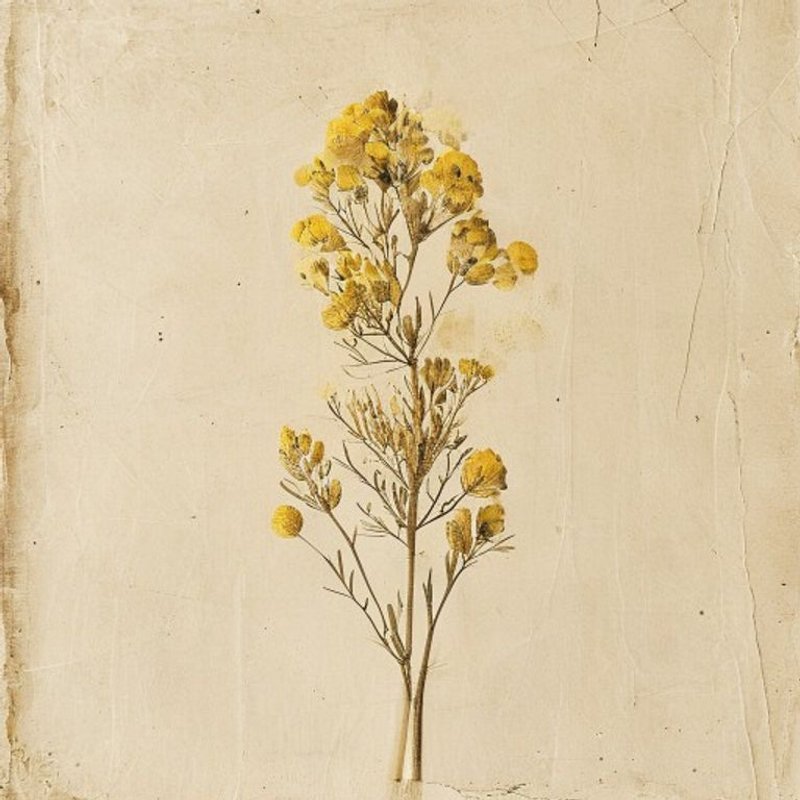
Yellow Loosestrife (Lysimachia vulgaris) is a perennial plant native to regions across Europe and Asia, including Albania, Austria, Belarus, Bulgaria, and many other countries such as France, Germany, Greece, Hungary, and Iran. It thrives in moist or wet conditions with light to partial sun exposure, making it adaptable to various soil types—ranging from sandy to medium and clay soils. This plant reaches heights of about 1.2 meters and is known for its edible leaves, which can be used in culinary applications such as salads, soups, and stews. The bright yellow flowers add a splash of color to any landscape. Yellow Loosestrife is native to diverse environments from the West Himalayas to parts of Europe and Asia, showcasing its resilience in various climates. It has been introduced into several North American states including British Columbia, Colorado, Connecticut, Illinois, Indiana, Kentucky, Maine, Maryland, Massachusetts, Michigan, Minnesota, Montana, New Brunswick, New Hampshire, New Jersey, New York, Nova Scotia, Ohio, Ontario, Pennsylvania, Prince Edward Island, Quebec, Rhode Island, Vermont, Washington, West Virginia, and Wisconsin. This plant is known for its weed potential in introduced areas. In cultivation, Yellow Loosestrife thrives in full sun to partial shade and prefers moist to wet soil conditions. It adapts well to light (sandy), medium, and heavy (clay) soils and is hardy in zones 4-8. For propagation, division of the roots or taking stem cuttings can be effective methods. The edible leaves are best harvested before flowering for use in culinary applications.
What is Yellow Loosestrife?
Yellow Loosestrife (Lysimachia vulgaris) is a perennial plant native to regions across Europe and Asia, including Albania, Austria, Belarus, Bulgaria, and many other countries such as France, Germany, Greece, Hungary, and Iran.
VCultivation
Cultivation
How to grow Yellow Loosestrife for the first time
Start with Yellow Loosestrife by ensuring you have the right conditions and care, making it a manageable project for beginners.
- 1
What you'll need
A small shovel or trowel, a watering can, and some compost.
- 2
Best time to plant
Plant Yellow Loosestrife in spring after the last frost or in early fall.
- 3
Soil and container prep
Choose a spot with moist soil that's light (sandy), medium, or heavy (clay). Ensure good drainage if planting in containers.
- 4
Sowing or transplanting
Transplant young plants from a nursery or divide existing ones. Space them about 30-60 cm apart.
- 5
First two weeks
Water the plant regularly to help it establish, especially during dry spells. Keep the soil consistently moist but not waterlogged.
- 6
Ongoing care
Provide full sun or partial shade and keep the soil evenly moist. Deadhead spent flowers to encourage more blooms.
- 7
Harvest or pruning
Prune in late winter or early spring to maintain shape and remove any dead foliage.
- 8
Common mistakes
Overwatering, planting in too dry a location, neglecting to prune, and not providing enough light.
VIEdible & utility
Edible & utility
VIIDistribution
54 native · 28 introduced
Distribution
54 native · 28 introducedIXSpecimen gallery
1 image
Specimen gallery
1 imageExplore further
About this entry
- Last updated
- Citation
- How to cite this entry · Submit a correction
Continue reading
Get archive updates
Occasional email when substantial new content lands — plant profiles, seasonal growing notes, folk-remedy additions. Free, no tracking, unsubscribe anytime.