
Osage orange
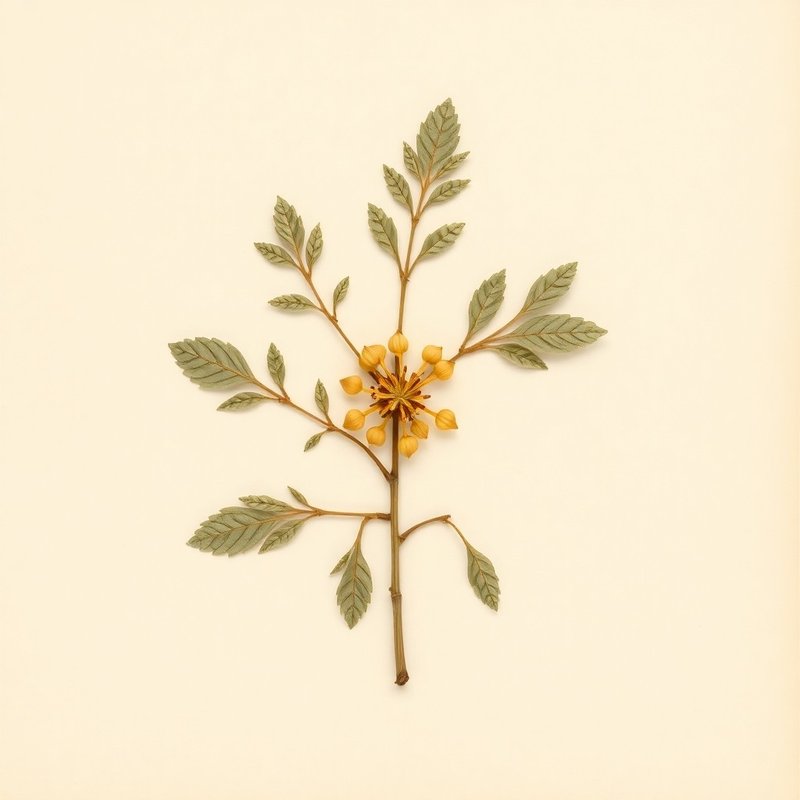
IOverview
Overview
The Osage orange is a perennial tree or shrub native to the southern United States, specifically found in Arkansas, Oklahoma, and Texas. This member of the Anacardiaceae family is known for its distinctive fruit, which resembles an orange but contains hundreds of small, waxy seeds. One notable feature of this plant is its thorny, yellowish-green bark, which can grow quite thick over time. The Osage orange is often associated with the region's dry to moist soils and full sun conditions, thriving in a range of soil types from light sandy to heavy clay. Its hardiness zone spans from 4 to 9, making it adaptable to various climates within its native range.
What is Osage orange?
The Osage orange is a perennial tree or shrub native to the southern United States, specifically found in Arkansas, Oklahoma, and Texas. This member of the Anacardiaceae family is known for its distinctive fruit, which resembles an orange but contains hundreds of small, waxy seeds.
VCultivation
Cultivation
How to grow Osage orange for the first time
Start with a simple Osage orange tree to observe its growth and beauty.
- 1
What you'll need
A young Osage orange sapling, garden gloves, a spade or trowel.
- 2
Best time to plant
Plant in spring after the last frost or in fall before the first freeze.
- 3
Soil and container prep
Ensure soil is well-draining with a pH between 4.5 and 7.5; loosen the topsoil if planting in containers.
- 4
Sowing or transplanting
Transplant young saplings directly into the garden, ensuring they are planted at the same depth as they were in their container.
- 5
First two weeks
Water regularly to keep soil moist but not waterlogged; mulch around the base to retain moisture and suppress weeds.
- 6
Ongoing care
Water deeply once a week, especially during dry spells. Prune in late winter or early spring to maintain shape and remove dead branches.
- 7
Harvest or pruning
Prune annually to encourage healthy growth; harvest fruit for crafts or decorations after they turn yellow and become soft.
- 8
Common mistakes
Planting too deep, overwatering, neglecting winter protection in colder zones.
VIEdible & utility
Edible & utility
VIIDistribution
3 native · 27 introduced
Distribution
3 native · 27 introducedIXSpecimen gallery
1 image
Specimen gallery
1 imageExplore further
About this entry
- Last updated
- Citation
- How to cite this entry · Submit a correction
Continue reading
Get archive updates
Occasional email when substantial new content lands — plant profiles, seasonal growing notes, folk-remedy additions. Free, no tracking, unsubscribe anytime.