
Mountain Tarweed
IOverview
Overview
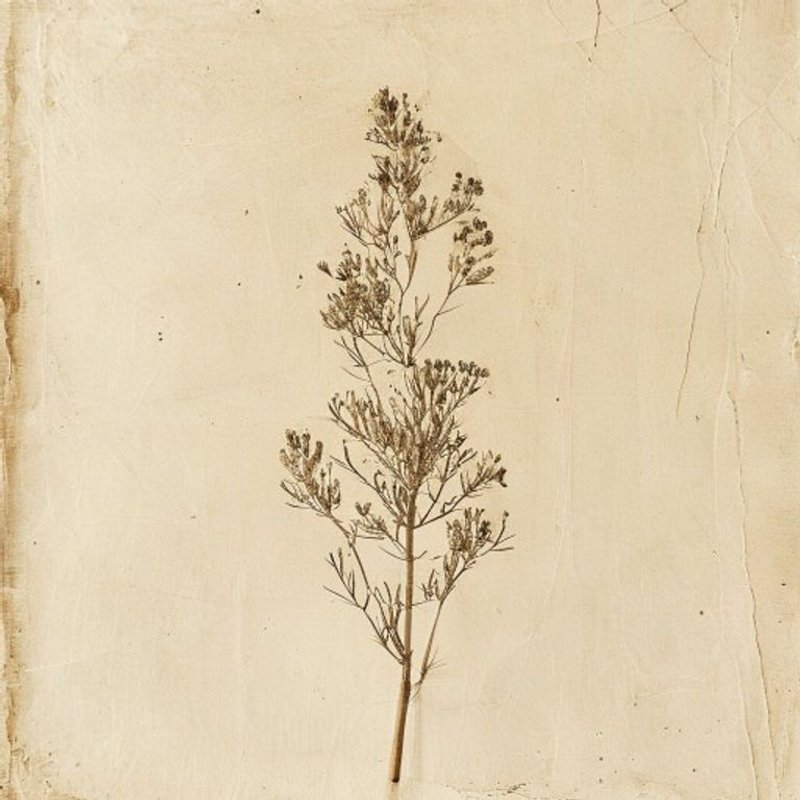
Mountain Tarweed (Madia glomerata) is an annual forb or herb native to a wide range of North American regions, including Alaska, Alberta, Arizona, British Columbia, California, Colorado, Connecticut, Idaho, Iowa, Maine, Manitoba, Michigan, Minnesota, Montana, Nevada, New Mexico, North Dakota, Ontario, Oregon, Québec, Saskatchewan, South Dakota, Utah, Vermont, Washington, Wyoming, and Yukon. This plant thrives in moist environments with light to medium soil types, including sandy, loamy, and clay soils, and requires full sun exposure. Known for its edible seeds, Mountain Tarweed is harvested when ripe and can be used raw or ground into flour for baking. It grows up to 0.8 meters tall and is a distinctive plant in its native range due to its adaptability and presence in diverse habitats. Native to regions such as Alaska, Alberta, Arizona, British Columbia, California, Colorado, Connecticut, Idaho, Iowa, Maine, Manitoba, Michigan, Minnesota, Montana, Nevada, New Mexico, North Dakota, Ontario, Oregon, Québec, Saskatchewan, South Dakota, Utah, Vermont, Washington, Wyoming, and Yukon, Mountain Tarweed is also found in introduced regions like France and New York.
What is Mountain Tarweed?
Mountain Tarweed (Madia glomerata) is an annual forb or herb native to a wide range of North American regions, including Alaska, Alberta, Arizona, British Columbia, California, Colorado, Connecticut, Idaho, Iowa, Maine, Manitoba, Michigan, Minnesota, Montana, Nevada, New Mexico,
VCultivation
Cultivation
How to grow Mountain Tarweed for the first time
Start with Mountain Tarweed as an easy-to-grow annual for a beginner gardener.
- 1
What you'll need
Seeds, small pots or direct planting area, garden tools.
- 2
Best time to plant
Plant in spring after the last frost, or start seeds indoors about 4 weeks before outdoor planting.
- 3
Soil and container prep
Choose a location with well-draining soil that is light (sandy), medium, or heavy. Ensure containers have drainage holes.
- 4
Sowing or transplanting
Direct sow seeds 0.5 inches deep in the garden bed or start them indoors and transplant seedlings once they are strong enough to handle.
- 5
First two weeks
Keep soil moist but not waterlogged, providing full sun exposure. Monitor for pests and diseases.
- 6
Ongoing care
Water regularly during dry spells, especially when the plant is flowering. Deadhead spent flowers to encourage more blooms.
- 7
Harvest or pruning
Prune dead leaves and stems to maintain a neat appearance and promote new growth.
- 8
Common mistakes
Overwatering, planting in heavy shade, neglecting to deadhead spent flowers.
VIEdible & utility
Edible & utility
VIIDistribution
27 native · 2 introduced
Distribution
27 native · 2 introducedIXSpecimen gallery
1 image
Specimen gallery
1 imageExplore further
About this entry
- Last updated
- Citation
- How to cite this entry · Submit a correction
Continue reading
Get archive updates
Occasional email when substantial new content lands — plant profiles, seasonal growing notes, folk-remedy additions. Free, no tracking, unsubscribe anytime.