
Mahonia
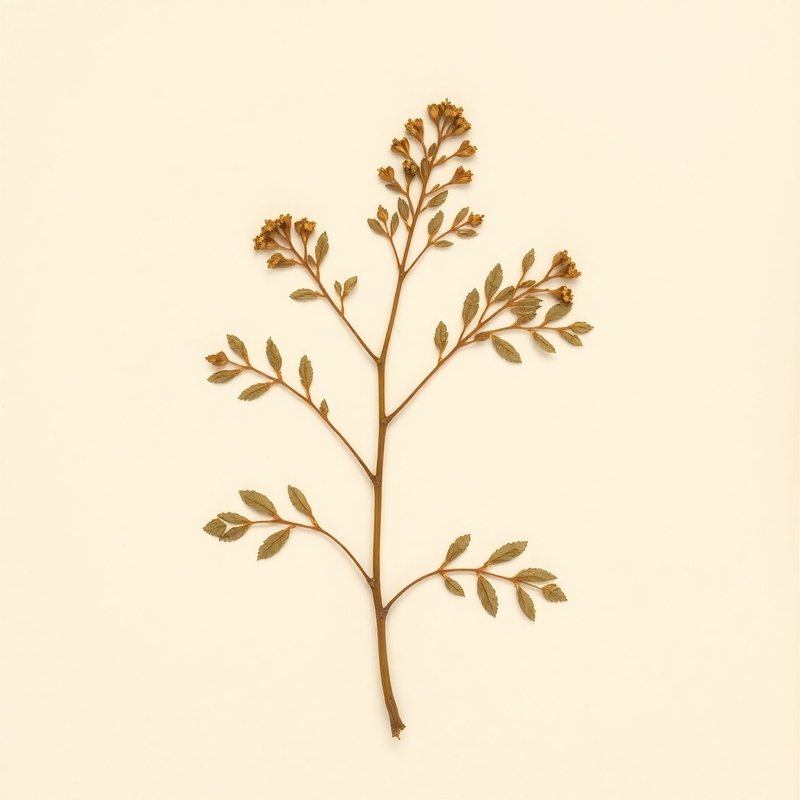
IOverview
Overview
Mahonia fremontii, commonly known as Fremont's mahonia, is a deciduous shrub native to the southwestern United States and northwestern Mexico, including regions such as Arizona, California, Colorado, Nevada, New Mexico, Utah, and parts of Mexico. This adaptable plant thrives in full sun and can tolerate both dry and moist conditions, making it suitable for various habitats. Known for its edible fruit, which is often used in jams and desserts, Fremont's mahonia also serves as an ornamental plant with attractive evergreen leaves and yellow flowers. The shrub typically grows up to 2.5 meters tall and can adapt to a range of soil types, including light (sandy), medium, and heavy (clay). Hardy in zones 7-10, it is a versatile addition to gardens or landscapes where its fruit and ornamental value are appreciated. The fruit can be enjoyed fresh but can also be dried for later use. This shrub, belonging to the Berberidaceae family, is an attractive choice for gardeners looking for a plant that can handle diverse growing conditions. Its evergreen leaves provide year-round interest, while its yellow flowers add vibrant color during spring. The fruit of Mahonia fremontii is edible and can be eaten raw or used in various culinary preparations, making it a valuable addition to the landscape for both ornamental and practical purposes. While Fremont's mahonia is not known for medicinal uses, gardeners should exercise caution when handling any plants, as some parts may cause skin irritation. Its slow growth rate and adaptability make it an excellent choice for those seeking a low-maintenance shrub that can thrive in a variety of environments.
What is Mahonia?
Mahonia fremontii, commonly known as Fremont's mahonia, is a deciduous shrub native to the southwestern United States and northwestern Mexico, including regions such as Arizona, California, Colorado, Nevada, New Mexico, Utah, and parts of Mexico.
VCultivation
Cultivation
How to grow Mahonia for the first time
Start with planting Mahonia fremontii in a sunny spot and follow these beginner-friendly steps.
- 1
What you'll need
Mahonia fremontii plants, garden gloves, trowel, watering can.
- 2
Best time to plant
Plant Mahonia fremontii in spring or fall when the weather is cooler.
- 3
Soil and container prep
Ensure soil is well-draining. Amend with compost if needed. For containers, use a pot at least 30 cm wide.
- 4
Sowing or transplanting
Transplant young plants from nursery pots to your garden bed. Dig a hole twice as wide and deep as the root ball.
- 5
First two weeks
Water regularly, keeping soil moist but not waterlogged. Mulch around the base to retain moisture.
- 6
Ongoing care
Water deeply once a week during dry periods. Prune in late winter to maintain shape and remove dead branches.
- 7
Harvest or pruning
Prune in late winter to encourage new growth and maintain the plant's size.
VIEdible & utility
Edible & utility
VIIDistribution
7 native · 0 introduced
Distribution
7 native · 0 introducedIXSpecimen gallery
1 image
Specimen gallery
1 imageExplore further
About this entry
- Last updated
- Citation
- How to cite this entry · Submit a correction
Continue reading
Get archive updates
Occasional email when substantial new content lands — plant profiles, seasonal growing notes, folk-remedy additions. Free, no tracking, unsubscribe anytime.