
Water Clover
Marsilea quadrifolia
Educational content — not medical, botanical, or professional advice. Plant identification, safety, and edibility depend on local conditions, cultivars, and correct identification. Consult a qualified botanist or forager before consuming or handling wild specimens. How we source & review →
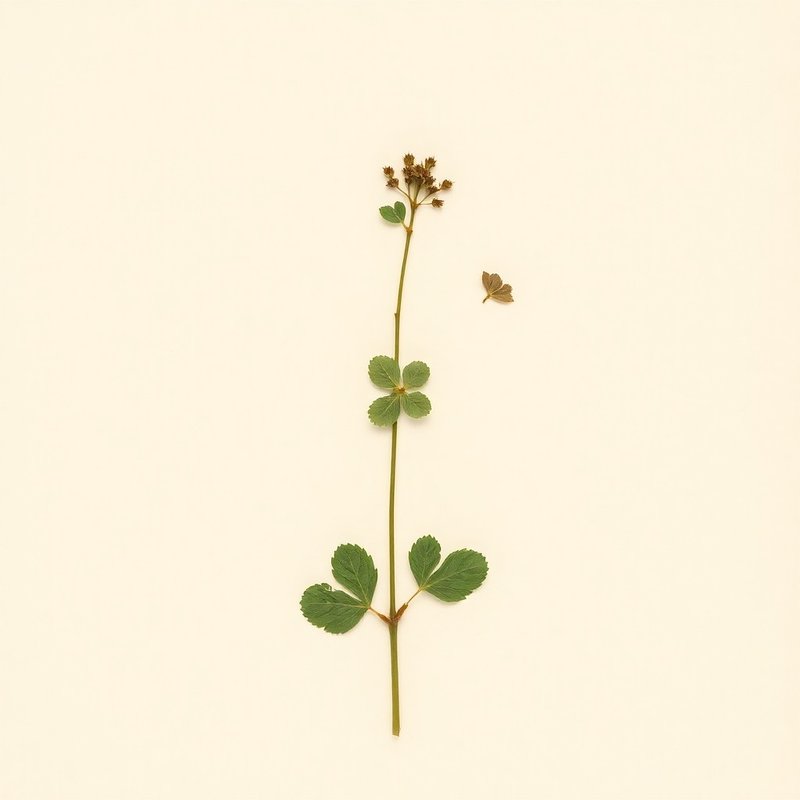
Pl. F28F — Marsilea quadrifolia
Marsilea quadrifoliaMarsilea quadrifoliaMarsilea quadrifoliaMarsilea quadrifoliaMarsilea quadrifoliaMarsilea quadrifoliaMarsilea quadrifoliaMarsilea quadrifoliaMarsilea quadrifoliaMarsilea quadrifoliaMarsilea quadrifoliaMarsilea quadrifoliaMarsilea quadrifoliaMarsilea quadrifolia
IOverview
Overview
Water Clover, scientifically known as Marsilea quadrifolia, is a small, herbaceous plant native to regions including New Caledonia, New South Wales, Northern Territory, Queensland, Tasmania, and Western Australia. It has also naturalized in Austria and Bulgaria. This plant thrives in moist or wet environments with light to partial sun exposure, making it adaptable to various soil types from sandy to medium. Standing at a height of 0.2 meters, Water Clover is known for its edible leaves and seeds, contributing to local cuisine. Its distinctive feature lies in its unique four-leafed structure reminiscent of clover, setting it apart from other aquatic plants.
Quick answers
What is Water Clover?
Water Clover, scientifically known as Marsilea quadrifolia, is a small, herbaceous plant native to regions including New Caledonia, New South Wales, Northern Territory, Queensland, Tasmania, and Western Australia. It has also naturalized in Austria and Bulgaria.
Growingconditions · propagation · uses
VCultivation
Cultivation
Water Clover thrives in moist to wet conditions and prefers partial sun or shade. It grows well in light (sandy) and medium soil types. The plant is hardy in zones 4-8, making it suitable for temperate regions. For cultivation, ensure the soil remains consistently moist; full sun can be tolerated but partial shade is ideal. Propagation can occur through seeds. Harvest edible leaves and seed parts as needed.
Light
Full sun, Partial sun/shade
Water
Moist, Wet, water
Soil
Light (sandy), Medium
Hardiness
4-8
Mature size
0.2 m tall
For first-time growers
How to grow Water Clover for the first time
8steps
Start with Water Clover as a simple, low-maintenance addition to your garden.
- 1
What you'll need
A container or pond, water-soluble fertilizer (optional), and Marsilea quadrifolia plants.
- 2
Best time to plant
Plant in spring when temperatures are mild and stable.
- 3
Soil and container prep
Use a container with good drainage holes. Fill it with moist, light soil or sand.
- 4
Sowing or transplanting
Transplant young plants from your local nursery into the prepared container.
- 5
First two weeks
Keep the soil consistently moist and avoid direct sunlight for the first few days.
- 6
Ongoing care
Provide partial sun to full sun, keep the soil wet but not waterlogged. Fertilize every 4-6 weeks with a balanced fertilizer.
- 7
Harvest or pruning
Prune any dead or yellowing leaves to maintain plant health and appearance.
- 8
Common mistakes
Overwatering, placing in full sun, using heavy soil, neglecting fertilization, and not providing enough space for growth.
VIEdible & utility
Edible & utility
Edible parts:LeavesSeed
Edible uses: The leaves and seeds of Water Clover can be eaten. The leaves are often consumed fresh in salads or cooked as a vegetable. Seeds may also be harvested and prepared similarly, though less commonly. Both parts add a mild flavor to dishes.
Contextrange · companions · related
VIIDistribution
30 native · 0 introduced
Distribution
30 native · 0 introducedDistribution across3 continents· 30 native
Europe10 regions
native (10)BulgariaFranceHungaryItalyNetherlandsPortugalRomaniaRussiaSpainUkraine
Asia7 regions
native (7)ChinaIranJapanKazakhstanSouth KoreaTurkeyUzbekistan
Oceania1 region
native (1)New Caledonia
Broader regions
native:New South Wales, Northern Territory, Queensland, Tasmania, Western Australia, Czechoslovakia, Transcaucasus, Yugoslavia
IXSpecimen gallery
1 image
Specimen gallery
1 imageXI
Explore further
Companion planting
Growing zone
XII
About this entry
- Last updated
- Citation
- How to cite this entry · Submit a correction
Back to the cataloguePlant id · f28f1c41-aae5-4513-89c0-1d01fe0577c0
Decision aid
Choosing between Water Clover and something else?
Continue reading
❦❦❦❦
Endpaper · archive updates
Get archive updates
Occasional email when substantial new content lands — plant profiles, seasonal growing notes, folk-remedy additions. Free, no tracking, unsubscribe anytime.