
Matteuccia orientalis
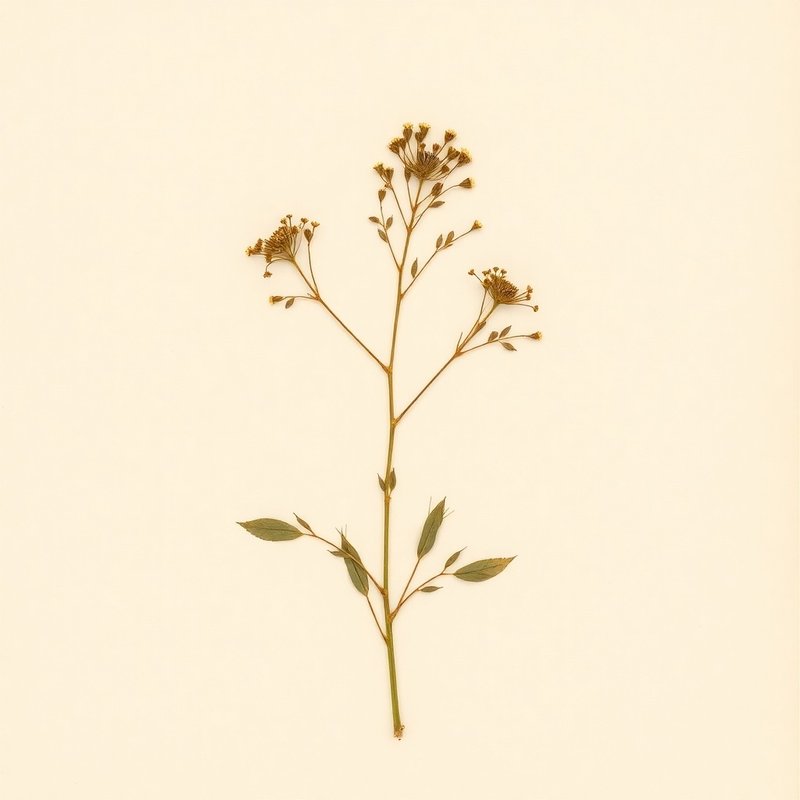
IOverview
Overview
Matteuccia orientalis, commonly known as the Eastern Ostrich Fern, is a member of the Polypodiaceae family and thrives in moist environments with partial sun to shade. Native to regions including Assam, China, East Himalaya, Japan, Korea, Kuril Islands, and Taiwan, this fern has been cultivated for its edible leaves and shoots. Its large, feathery fronds, which resemble the plumes of an ostrich, give it its common name. The fern prefers light (sandy), medium, or heavy (clay) soils and grows best in hardiness zones 4-8. Matteuccia orientalis is adaptable to various climates, making it a versatile choice for gardeners. The leaves and shoots can be prepared fresh in salads or cooked as a vegetable, adding a unique flavor to dishes. While the plant is not known for medicinal uses, it is important to exercise caution when consuming any wild plants, as proper identification is crucial to avoid potential toxicity.
What is Matteuccia orientalis?
Matteuccia orientalis, commonly known as the Eastern Ostrich Fern, is a member of the Polypodiaceae family and thrives in moist environments with partial sun to shade.
VCultivation
Cultivation
How to grow Matteuccia orientalis for the first time
Start with Matteuccia orientalis as a simple, low-maintenance plant for your garden.
- 1
What you'll need
A small Matteuccia orientalis plant or seeds, a trowel, and mulch.
- 2
Best time to plant
Plant in early spring or late fall when the soil is moist but not waterlogged.
- 3
Soil and container prep
Ensure the soil is well-draining with a pH between 5.5 and 7.0, and prepare a container at least 30 cm deep.
- 4
Sowing or transplanting
Transplant young plants or sow seeds directly into the ground about 10-20 cm apart in moist soil.
- 5
First two weeks
Keep the soil consistently moist and avoid direct sunlight for the first few days.
- 6
Ongoing care
Water regularly, especially during dry spells, and mulch to retain moisture. Fertilize sparingly with a balanced organic fertilizer in early spring.
- 7
Harvest or pruning
Prune dead leaves and shoots annually to maintain the plant's health and appearance.
- 8
Common mistakes
Overwatering, planting in full sun, using chemical fertilizers, and neglecting regular pruning.
VIEdible & utility
Edible & utility
VIIDistribution
12 native · 0 introduced
Distribution
12 native · 0 introducedIXSpecimen gallery
1 image
Specimen gallery
1 imageExplore further
About this entry
- Last updated
- Citation
- How to cite this entry · Submit a correction
Continue reading
Get archive updates
Occasional email when substantial new content lands — plant profiles, seasonal growing notes, folk-remedy additions. Free, no tracking, unsubscribe anytime.