
Ostrich Fern
Matteuccia struthiopteris
Educational content — not medical, botanical, or professional advice. Plant identification, safety, and edibility depend on local conditions, cultivars, and correct identification. Consult a qualified botanist or forager before consuming or handling wild specimens. How we source & review →
Garden journal pausedUse profile notes below
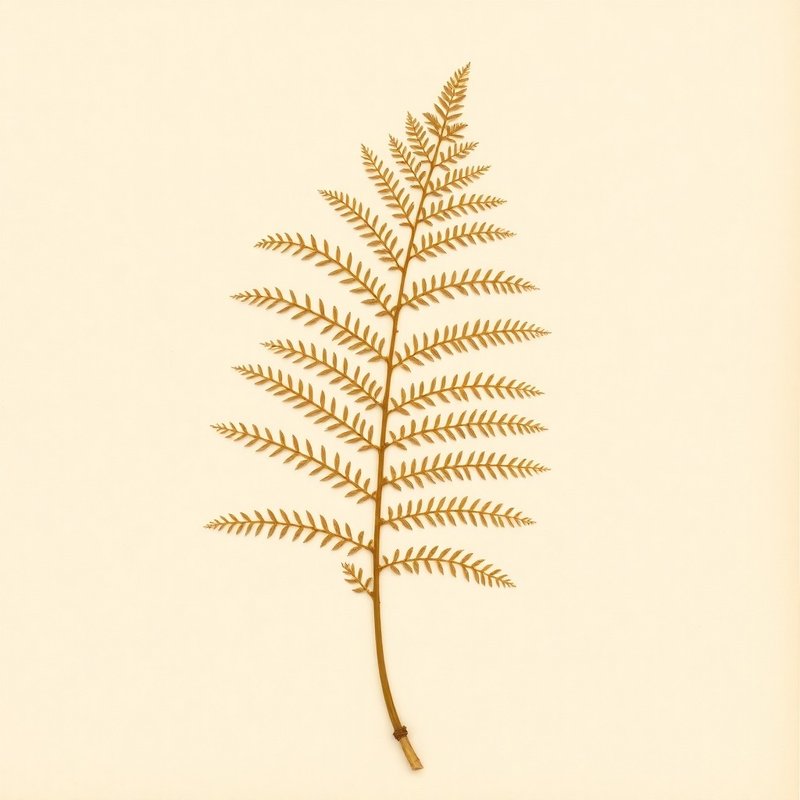
Pl. AD36 — Matteuccia struthiopteris
Matteuccia struthiopterisMatteuccia struthiopterisMatteuccia struthiopterisMatteuccia struthiopterisMatteuccia struthiopterisMatteuccia struthiopterisMatteuccia struthiopterisMatteuccia struthiopterisMatteuccia struthiopterisMatteuccia struthiopterisMatteuccia struthiopterisMatteuccia struthiopterisMatteuccia struthiopterisMatteuccia struthiopteris
IOverview
Overview
Ostrich Fern (Matteuccia struthiopteris) is a perennial plant native to the northern regions of the Northern Hemisphere, including areas such as Altay, Amur, Austria, and Belarus. Thriving in partial sun or shade, this fern requires moist conditions and well-drained soil that can be light (sandy), medium, or heavy (clay). Hardy from zones 3-7, it grows to a height of about 1 meter with a spread of 1.2 meters. Its distinctive feature is its large, feathery fronds that resemble the tail feathers of an ostrich, giving it its common name. Ostrich Fern is both edible and ornamental. The young fiddleheads are often harvested in spring and prepared by boiling or steaming to remove the bitter taste before eating them raw or cooked. Roots can also be eaten after proper preparation. This fern is valued for its ornamental qualities, making it a versatile addition to gardens and landscapes. It thrives in habitats such as swamps and bottomland woods. For propagation, Ostrich Fern can be divided or grown from spores. Introduced into Great Britain and Ireland, this plant has adapted well to temperate regions. Its hardiness and ornamental value make it an attractive choice for gardeners looking to add a unique touch to their landscapes while enjoying its edible benefits.
Quick answers
What is Ostrich Fern?
Ostrich Fern (Matteuccia struthiopteris) is a perennial plant native to the northern regions of the Northern Hemisphere, including areas such as Altay, Amur, Austria, and Belarus.
Growingconditions · propagation · uses
VCultivation
Cultivation
Ostrich Fern thrives in partial sun to shade and prefers moist soil that is light (sandy), medium, or heavy (clay). It is hardy in zones 3-7, making it suitable for temperate regions. For propagation, divide the plant or use spores. The fern grows up to 1 meter tall and spreads to a width of 1.2 meters. Enjoy its edible leaves and roots while ensuring it has adequate moisture and light conditions.
Light
Partial sun/shade
Water
Moist
Soil
Light (sandy), Medium, Heavy (clay)
Hardiness
3-7
Life cycle
Perennial
Mature size
1.0 m × 1.2 m
- Propagation
- Division, Spores
For first-time growers
How to grow Ostrich Fern for the first time
8steps
Start with planting Ostrich Ferns in a partially shaded area with moist soil for the best beginner experience.
- 1
What you'll need
Ostrich Fern plants or divisions, garden gloves, spade, watering can.
- 2
Best time to plant
Plant in early spring or late fall when temperatures are cooler and more stable.
- 3
Soil and container prep
Ensure the soil is well-draining but moisture-retentive. Amend with compost if necessary.
- 4
Sowing or transplanting
Transplant divisions from established plants in early spring, spacing them about 1 meter apart.
- 5
First two weeks
Water the ferns regularly to keep the soil moist but not waterlogged. Avoid direct sunlight during this period.
- 6
Ongoing care
Provide partial shade and regular watering, especially in dry spells. Mulch around the base for insulation.
- 7
Harvest or pruning
Prune dead fronds in early spring to encourage new growth but avoid cutting into the crown.
- 8
Common mistakes
Overwatering, planting in full sun, neglecting to mulch, and not dividing overcrowded plants.
VIEdible & utility
Edible & utility
Edible parts:LeavesRoot
Edible uses: Ostrich fern leaves and roots are edible. The young fiddleheads are often harvested in spring and prepared by boiling or steaming to remove the bitter taste before eating them raw or cooked. Roots can also be eaten after proper preparation. Skip the detailed recipes; focus on these basic cooking methods for best results.
Other uses:Ground cover
Contextrange · companions · related
VIIDistribution
58 native · 2 introduced
Distribution
58 native · 2 introducedDistribution across2 continents· 58 native· 2 introduced
Europe19 regions
native (17)AustriaBelarusBelgiumDenmarkFinlandFranceGermanyHungaryItalyNetherlandsNorwayPolandRomaniaRussiaSwedenSwitzerlandUkraine
introduced (2)IrelandUnited Kingdom
Asia9 regions
native (9)ChinaIndiaIranJapanKazakhstanMongoliaSouth KoreaTaiwanTurkey
Broader regions
native:Altay, Amur, Baltic States, Buryatiya, Chita, Czechoslovakia, East Himalaya, Irkutsk, Kamchatka, Khabarovsk, Kirgizstan, Krasnoyarsk, Kuril Is., Magadan, Northern Hemisphere, Primorye, Sakhalin, Transcaucasus, Tuva, Yakutskiya, Yugoslavia
IXSpecimen gallery
1 image
Specimen gallery
1 imageXI
Explore further
XII
About this entry
- Last updated
- Citation
- How to cite this entry · Submit a correction
Back to the cataloguePlant id · ad368986-ed65-499c-83e6-e72e1df17369
Decision aid
Choosing between Ostrich Fern and something else?
Continue reading
❦❦❦❦
Endpaper · archive updates
Get archive updates
Occasional email when substantial new content lands — plant profiles, seasonal growing notes, folk-remedy additions. Free, no tracking, unsubscribe anytime.
Newsletter returning soon.
We are rebuilding the update list around a lightweight editorial workflow. New dispatches will resume after the next content review cycle.