
Meconopsis aculeata
Meconopsis aculeatafam. Papaveraceae
Educational content — not medical, botanical, or professional advice. Always consult a qualified clinician before using any herbal preparation — especially during pregnancy, breastfeeding, while on medication, or for children. How we source & review →
Garden journal pausedUse profile notes below
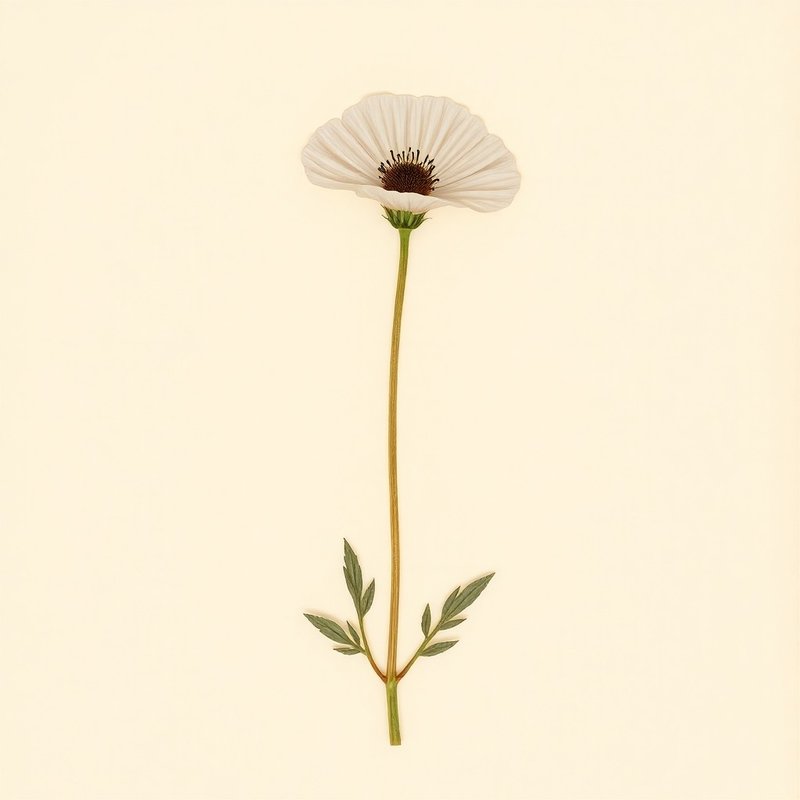
Pl. 939F — Meconopsis aculeata
Meconopsis aculeataMeconopsis aculeataMeconopsis aculeataMeconopsis aculeataMeconopsis aculeataMeconopsis aculeataMeconopsis aculeataMeconopsis aculeataMeconopsis aculeataMeconopsis aculeataMeconopsis aculeataMeconopsis aculeataMeconopsis aculeataMeconopsis aculeata
IOverview
Overview
Meconopsis aculeata, commonly known as Meconopsis aculeata, is a perennial plant belonging to the Papaveraceae family and is native to the high-altitude regions of Tibet and West Himalaya. This plant is well-adapted to partial sun to shade and thrives in moist, well-drained soil that can be light (sandy), medium, or heavy (clay). It is hardy in USDA zones 6-9 and grows to a height of approximately 0.6 meters. Meconopsis aculeata has both edible and medicinal uses. The leaves are edible and can be consumed fresh or cooked, though they are often boiled to soften them for use in various dishes. Raw consumption is not recommended due to their tough texture. Additionally, this plant has been documented for its medicinal properties, making it a valuable species in traditional medicine. In terms of cultivation, Meconopsis aculeata thrives in partial sun to shade and requires moist, well-drained soil. Its adaptability to various soil types and hardiness in zones 6-9 make it a versatile plant for gardeners in similar climates. While the structured data does not provide specific details on propagation methods, it is likely that gardeners can propagate this plant through seeds or division. Cautiously, it is important to note that while Meconopsis aculeata has medicinal properties, it should not be used for treatment or dosage without professional guidance.
Quick answers
What is Meconopsis aculeata?
Meconopsis aculeata, commonly known as Meconopsis aculeata, is a perennial plant belonging to the Papaveraceae family and is native to the high-altitude regions of Tibet and West Himalaya.
IV·bMixology suggestions
2 drafts
Mixology suggestions
2 draftsEditorial drafts. These pairings are AI-suggested from traditional herbal lore. Always verify with a qualified herbalist before brewing.
Elevated Focus
focustincture
Historically used to enhance mental clarity.
Skin Revitalizer
skindecoction
Traditionally applied for skin health and rejuvenation.
Growingconditions · propagation · uses
VCultivation
Cultivation
Meconopsis aculeata thrives in partial sun to shade and prefers moist, well-draining soil that can be light (sandy), medium, or heavy (clay). It is hardy in zones 6-9 and grows to a height of 0.6 meters, making it a perennial. For optimal growth, keep the soil consistently moist. Propagate via seed or division in spring. The edible parts are the leaves, which can be harvested for use.
Light
Partial sun/shade
Water
Moist
Soil
Light (sandy), Medium, Heavy (clay)
Hardiness
6-9
Life cycle
Perennial
Mature size
0.6 m tall
For first-time growers
How to grow Meconopsis aculeata for the first time
8steps
Start with Skip as a simple, low-maintenance perennial for your garden.
- 1
What you'll need
Skip plant, well-draining soil mix, watering can or hose.
- 2
Best time to plant
Plant in early spring or late fall when the weather is cooler.
- 3
Soil and container prep
Use a light, medium, or heavy soil with good drainage. Ensure containers have holes for proper drainage.
- 4
Sowing or transplanting
Transplant Skip from its pot to your garden bed after the last frost in spring.
- 5
First two weeks
Water regularly to keep the soil moist but not soggy. Avoid direct sunlight during this period.
- 6
Ongoing care
Provide partial sun or shade, water when the top inch of soil feels dry, and mulch around the plant for moisture retention.
- 7
Harvest or pruning
Prune dead leaves to maintain a neat appearance. Harvest young leaves as needed for culinary use.
- 8
Common mistakes
Overwatering, planting in full sun, neglecting to mulch, not providing enough shade, and failing to prune regularly.
VIEdible & utility
Edible & utility
Edible parts:Leaves
Edible uses: The leaves of Meconopsis aculeata are edible and can be consumed fresh or cooked. They are often prepared by boiling to soften them for use in various dishes. Skip the raw consumption as they may be tough when eaten uncooked.
Contextrange · companions · related
VIIDistribution
2 native · 0 introduced
Distribution
2 native · 0 introducedDistribution across1 continent· 2 native
Asia1 region
native (1)China
Broader regions
native:West Himalaya
IXSpecimen gallery
1 image
Specimen gallery
1 imageXSee also
8 related
See also
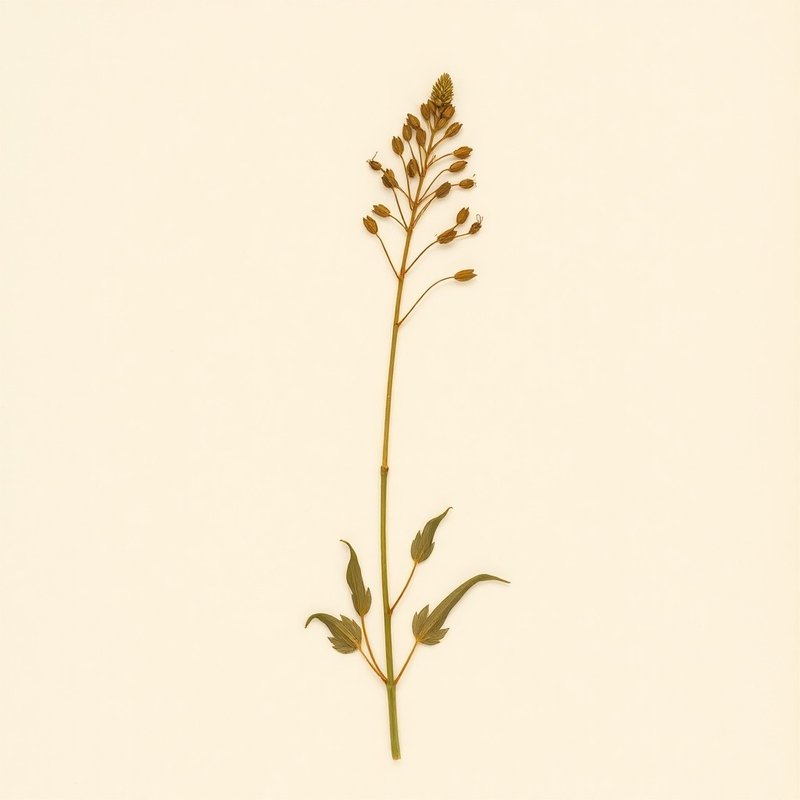
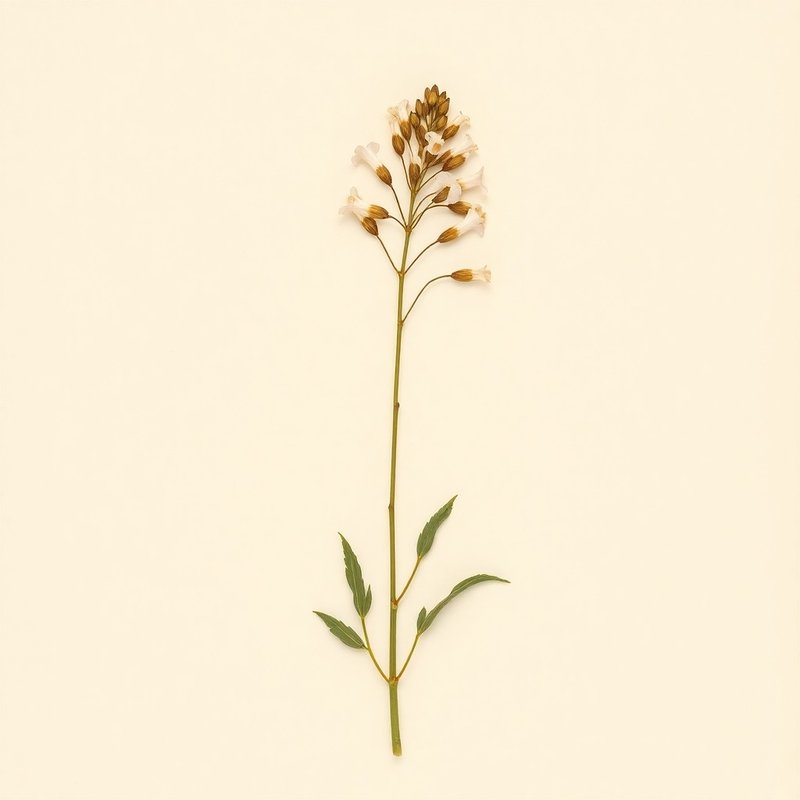
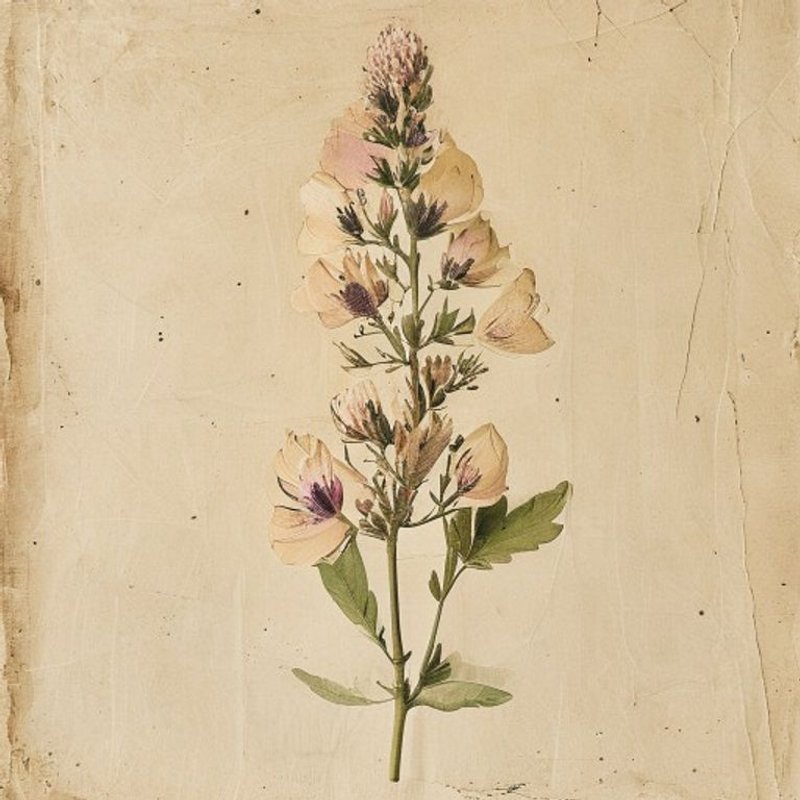
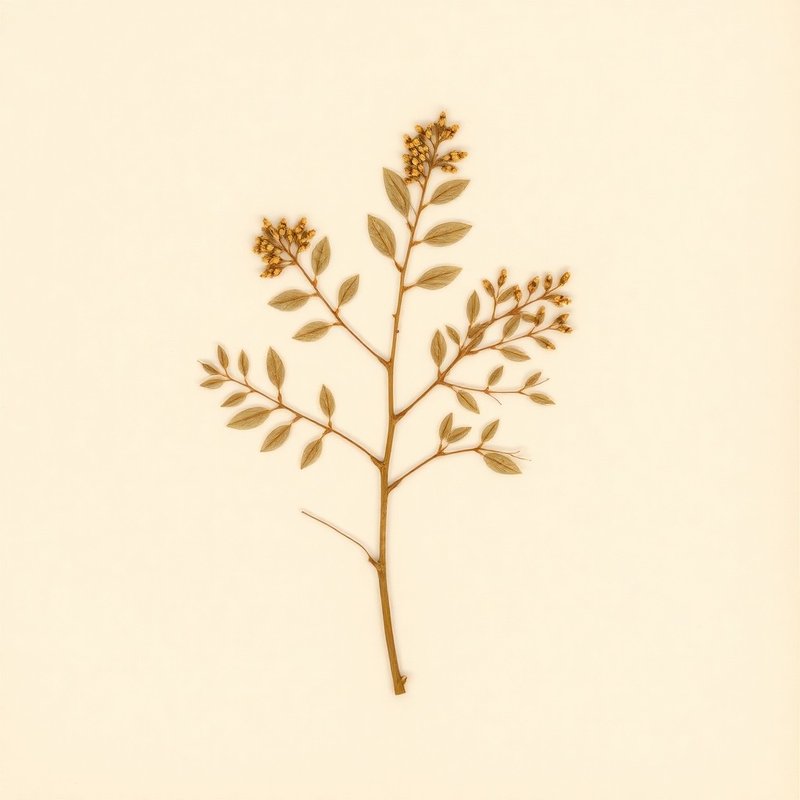
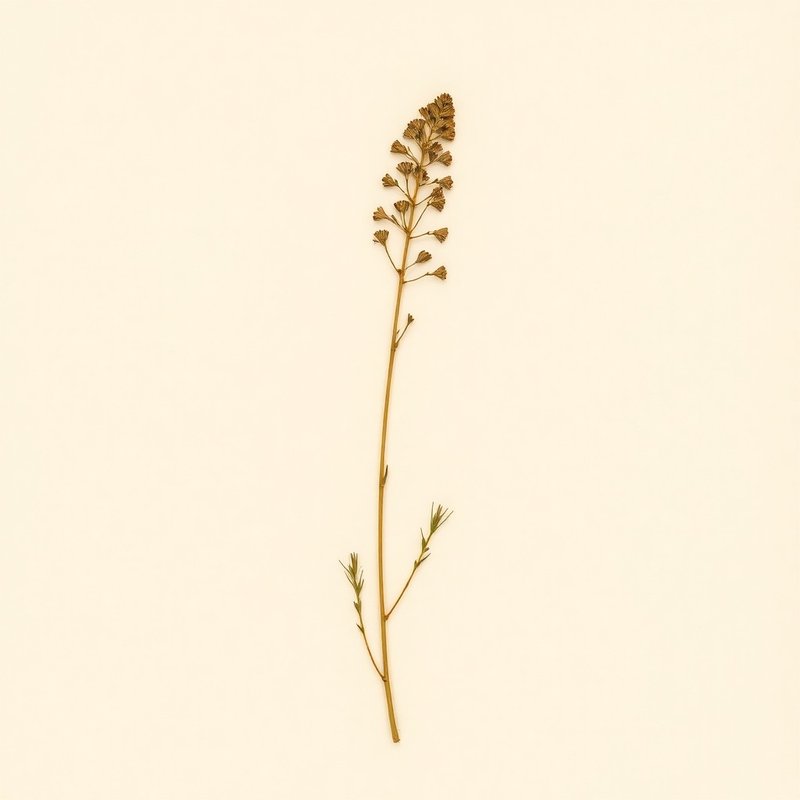
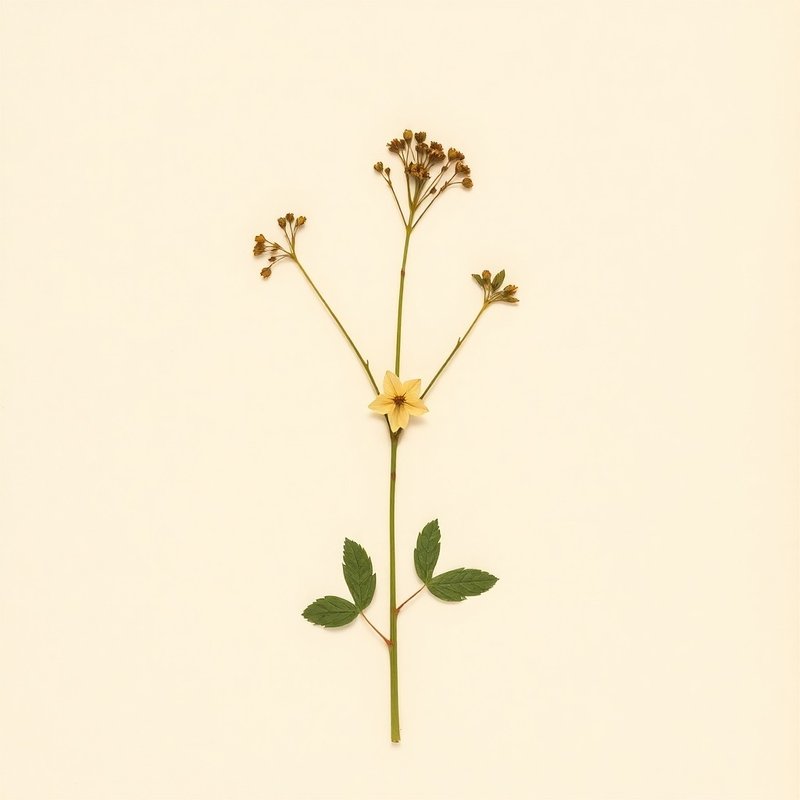
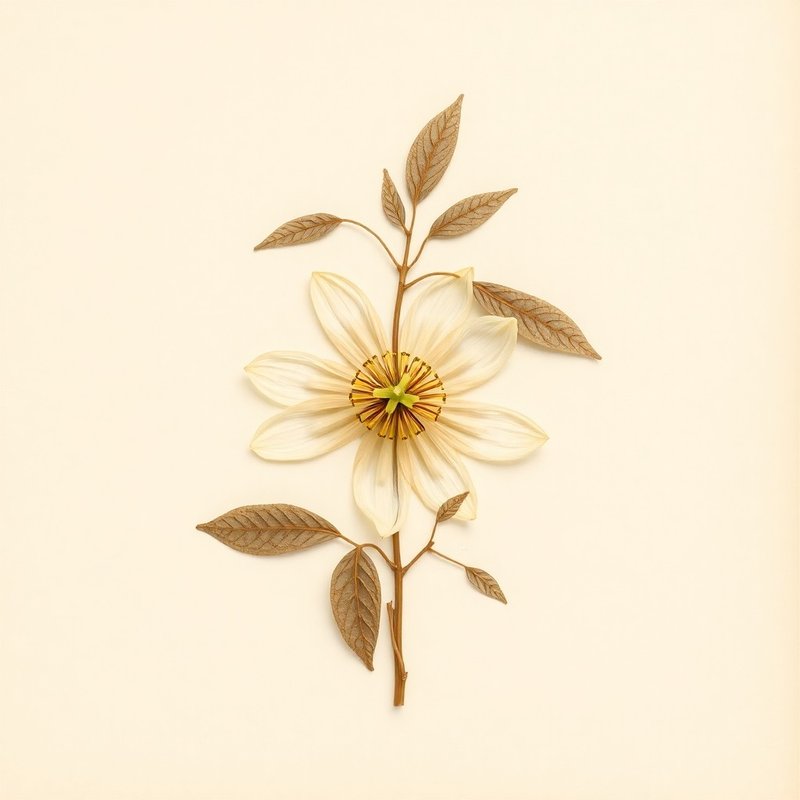
8 relatedPlants you might compare or use together — scored by shared family (Papaveraceae), common use cases, and growing requirements.
same family · Papaveraceae
Botanical relatives — often share phytochemistry + growing needs.

XI
Explore further
Companion planting
Compare with similar plants
Growing zone
Native to
XII
About this entry
- Last updated
- Citation
- How to cite this entry · Submit a correction
Back to the cataloguePlant id · 939f5f23-77e9-42d3-8262-fe08df874620
Decision aid
Choosing between Meconopsis aculeata and something else?
Continue reading
❦❦❦❦
Endpaper · archive updates
Get archive updates
Occasional email when substantial new content lands — plant profiles, seasonal growing notes, folk-remedy additions. Free, no tracking, unsubscribe anytime.
Newsletter returning soon.
We are rebuilding the update list around a lightweight editorial workflow. New dispatches will resume after the next content review cycle.