
Indian Cucumber Root
Medeola virginiana
Educational content — not medical, botanical, or professional advice. Plant identification, safety, and edibility depend on local conditions, cultivars, and correct identification. Consult a qualified botanist or forager before consuming or handling wild specimens. How we source & review →
Garden journal pausedUse profile notes below
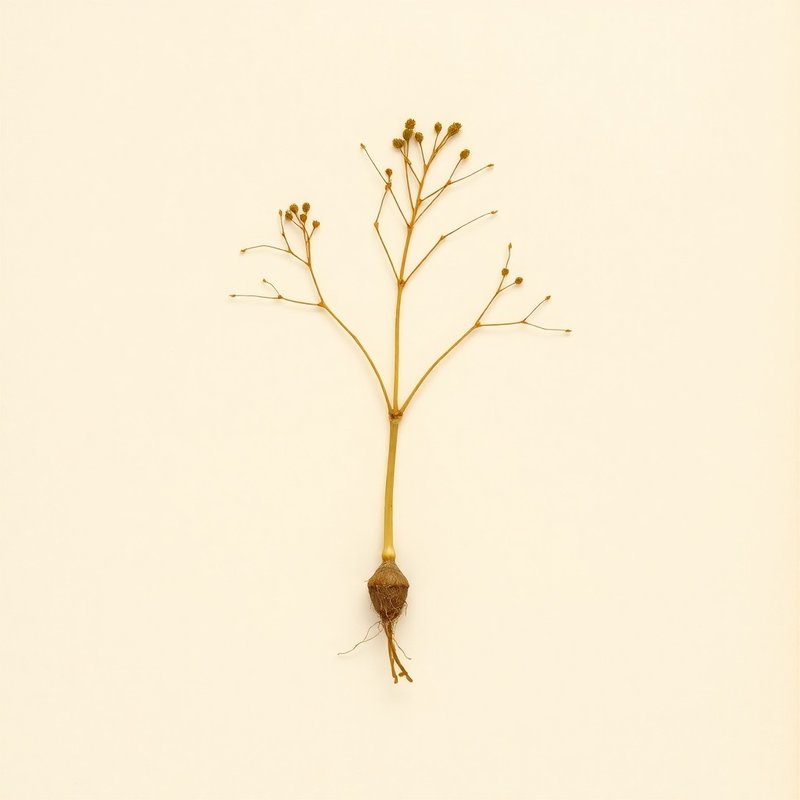
Pl. CC39 — Medeola virginiana
Medeola virginianaMedeola virginianaMedeola virginianaMedeola virginianaMedeola virginianaMedeola virginianaMedeola virginianaMedeola virginianaMedeola virginianaMedeola virginianaMedeola virginianaMedeola virginianaMedeola virginianaMedeola virginiana
IOverview
Overview
Indian Cucumber Root (Medeola virginiana) is a perennial forb or herb native to the eastern United States and Canada, including states such as Alabama, Connecticut, Delaware, District of Columbia, Florida, Georgia, Illinois, Indiana, Kentucky, Louisiana, Maine, Maryland, Massachusetts, Michigan, Mississippi, Missouri, New Brunswick, New Hampshire, New Jersey, New York, North Carolina, Nova Scotia, Ohio, Ontario, Pennsylvania, Prince Edward Island, Québec, Rhode Island, South Carolina, Tennessee, Vermont, Virginia, West Virginia, and Wisconsin. This plant is adapted to environments with partial sun to shade and thrives in light (sandy) or medium soils, with a hardiness zone of 3-7. Its heart-shaped leaves, which emerge from the ground, make it a visually appealing addition to gardens or natural settings. The Indian Cucumber Root's root is edible and can be consumed raw or cooked, typically prepared by boiling to enhance its flavor and texture. Known for its cucumber-like taste, it is often used in culinary applications. While not medicinal, its distinctive features and edible root make it a valuable addition to both native and ornamental gardens. Indian Cucumber Root has been introduced into Bermuda, expanding its range beyond its native habitat.
Quick answers
What is Indian Cucumber Root?
Indian Cucumber Root (Medeola virginiana) is a perennial forb or herb native to the eastern United States and Canada, including states such as Alabama, Connecticut, Delaware, District of Columbia, Florida, Georgia, Illinois, Indiana, Kentucky, Louisiana, Maine, Maryland, Massachu
Growingconditions · propagation · uses
VCultivation
Cultivation
Indian Cucumber Root thrives in partial sun to shade and prefers moist, well-drained soil that is light (sandy) or medium. Hardy from zones 3-7, it is a perennial forb/herb that grows up to 0.3 meters tall. For best results, propagate through division of the rootstock. Ensure consistent moisture and avoid overly wet conditions to prevent rot.
Light
Partial sun/shade
Water
Moist
Soil
Light (sandy), Medium
Hardiness
3-7
Life cycle
Perennial
Habit
Forb/herb
Mature size
0.3 m tall
For first-time growers
How to grow Indian Cucumber Root for the first time
8steps
Start with Indian Cucumber Root as a simple perennial for your garden, focusing on basic care.
- 1
What you'll need
A small plant or root division, well-draining soil, and a container if planting in pots.
- 2
Best time to plant
Plant in early spring or late fall when the ground is not frozen.
- 3
Soil and container prep
Use light, sandy or medium soil with good drainage. Ensure containers have holes for water to escape.
- 4
Sowing or transplanting
Transplant young plants or root divisions into prepared soil, spacing them about 30 cm apart.
- 5
First two weeks
Keep the soil moist and avoid direct sunlight. Water regularly but do not overwater.
- 6
Ongoing care
Provide partial shade and keep the soil consistently moist. Fertilize sparingly with compost.
- 7
Harvest or pruning
Prune dead leaves in late winter to maintain plant health, but avoid harvesting roots as they are not commonly used.
- 8
Common mistakes
Overwatering, planting in full sun, and neglecting to provide partial shade.
VIEdible & utility
Edible & utility
Edible parts:Root
Edible uses: The Indian Cucumber Root's root is edible and can be consumed raw or cooked. Typically, it is prepared by boiling to enhance its flavor and texture.
Other uses:Fragrance
Contextrange · companions · related
VIIDistribution
35 native · 1 introduced
Distribution
35 native · 1 introducedDistribution across1 continent· 35 native· 1 introduced
Asia1 region
native (1)Georgia
Broader regions
native:Alabama, Connecticut, Delaware, District of Columbia, Florida, Illinois, Indiana, Kentucky, Louisiana, Maine, Maryland, Masachusettes, Massachusetts, Michigan, Mississippi, Missouri, New Brunswick, New Hampshire, New Jersey, New York, North Carolina, Nova Scotia, Ohio, Ontario, Pennsylvania, Prince Edward I., Québec, Rhode I., South Carolina, Tennessee, Vermont, Virginia, West Virginia, Wisconsin
introduced:Bermuda
IXSpecimen gallery
1 image
Specimen gallery
1 imageXI
Explore further
Companion planting
Growing zone
Native to
XII
About this entry
- Last updated
- Citation
- How to cite this entry · Submit a correction
Back to the cataloguePlant id · cc39ed22-82b9-49d1-accb-1574092a2f4f
Decision aid
Choosing between Indian Cucumber Root and something else?
Continue reading
❦❦❦❦
Endpaper · archive updates
Get archive updates
Occasional email when substantial new content lands — plant profiles, seasonal growing notes, folk-remedy additions. Free, no tracking, unsubscribe anytime.
Newsletter returning soon.
We are rebuilding the update list around a lightweight editorial workflow. New dispatches will resume after the next content review cycle.