Skip to content
IIIFolio · plant profile№ 3B98medicinal · edible
Data provenancePermapeopleTreflePFAFeditorially reviewedreviewed 20 Oct 2026methodology → read
Home/Plants/Lamiaceae

Black Peppermint

Mentha x piperita vulgarisfam. Lamiaceae
Educational content — not medical, botanical, or professional advice. Always consult a qualified clinician before using any herbal preparation — especially during pregnancy, breastfeeding, while on medication, or for children. How we source & review →
medicinaledibleperennialculinaryedibleedible leafherbmedicinalperennial
Updated·Quick Q&A →
Garden journal pausedUse profile notes below
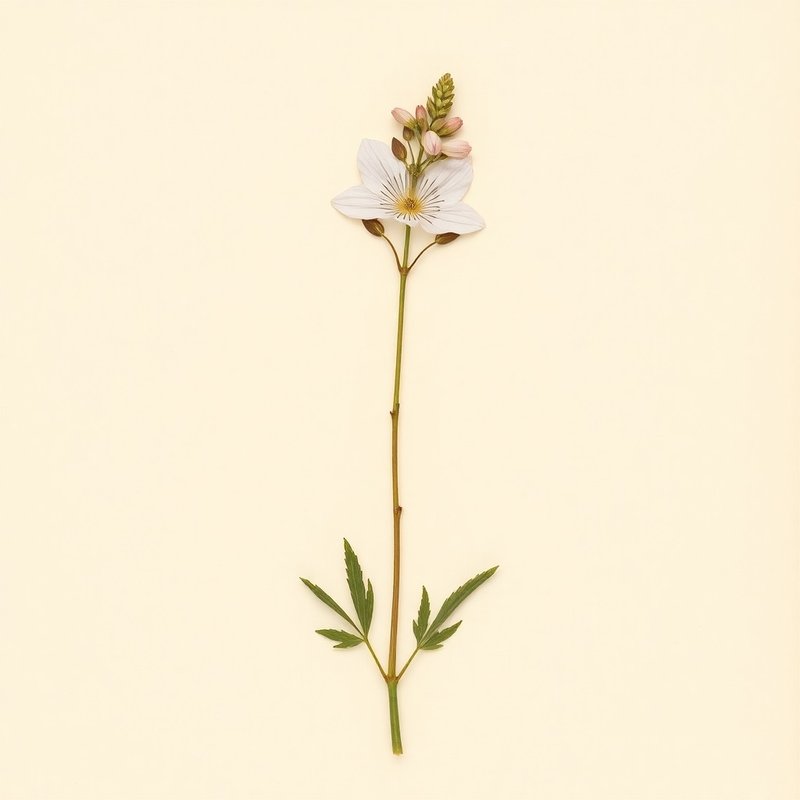
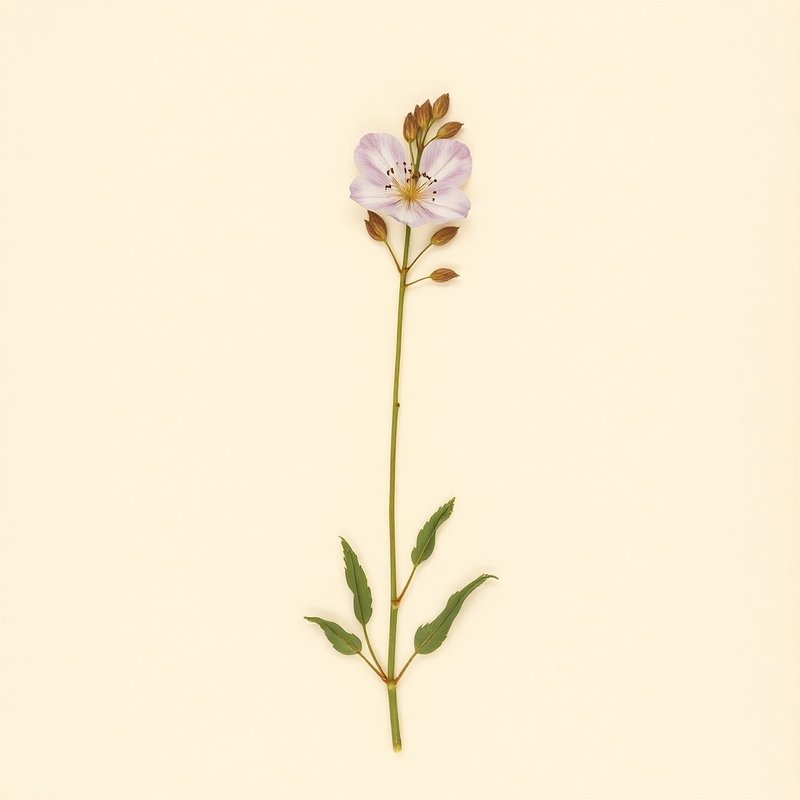
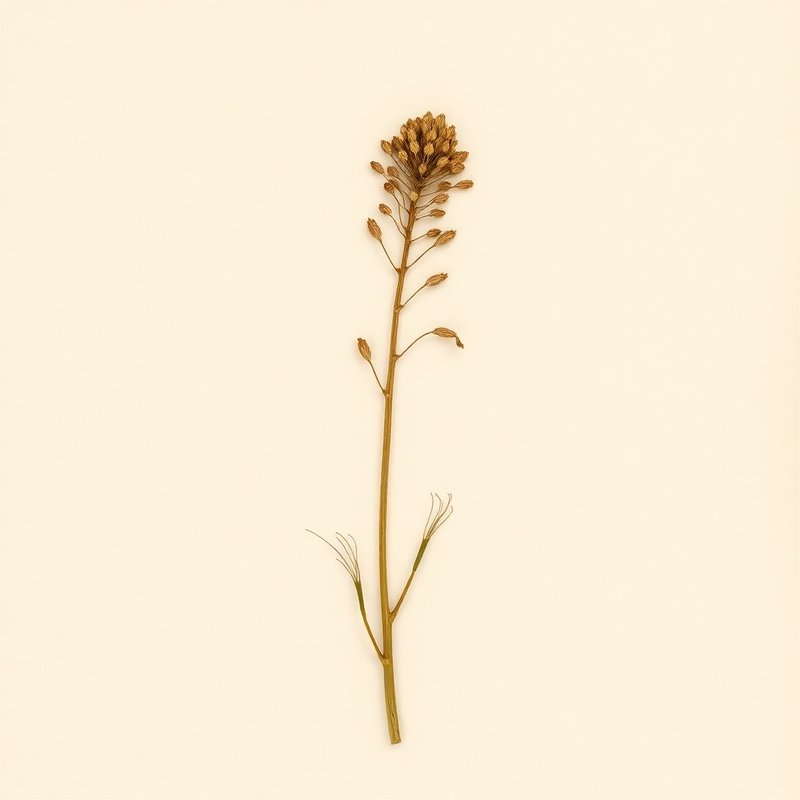
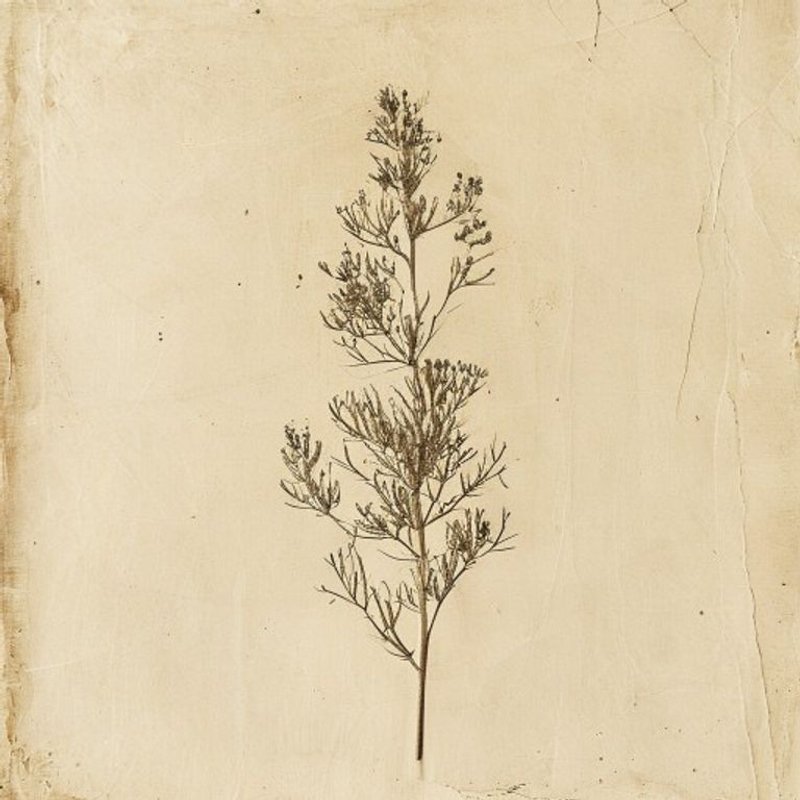
Mentha x piperita vulgaris (Black Peppermint) — botanical photograph
Pl. 3B98 — Mentha x piperita vulgaris
Mentha x piperita vulgarisMentha x piperita vulgarisMentha x piperita vulgarisMentha x piperita vulgarisMentha x piperita vulgarisMentha x piperita vulgarisMentha x piperita vulgarisMentha x piperita vulgarisMentha x piperita vulgarisMentha x piperita vulgarisMentha x piperita vulgarisMentha x piperita vulgarisMentha x piperita vulgarisMentha x piperita vulgaris
I

Overview

Black Peppermint, scientifically known as Mentha x piperita vulgaris and belonging to the Lamiaceae family, is a perennial plant native to several European countries including Altay, Austria, Belgium, Bulgaria, Czechoslovakia, Denmark, France, and Germany. This mint species thrives in moist conditions with light to partial sun exposure, making it suitable for gardens where soil types range from sandy to clay. Known both for its edible and medicinal properties, Black Peppermint is valued for its leaves, which can be used in culinary applications or as a natural remedy. One distinctive feature of this plant is its ability to grow up to 0.5 meters tall, adding a vibrant touch to any garden setting while contributing to the local ecosystem. For best results, keep the soil consistently moist and provide ample sunlight. Propagate via division or cuttings during spring or early summer. Harvest the leaves for culinary use throughout the growing season. While the plant is generally safe, it is advisable to use it with caution, especially in medicinal applications, as it can be potent.

Quick answers

What is Black Peppermint?

Black Peppermint, scientifically known as Mentha x piperita vulgaris and belonging to the Lamiaceae family, is a perennial plant native to several European countries including Altay, Austria, Belgium, Bulgaria, Czechoslovakia, Denmark, France, and Germany.

Compare with:Adria Bellflower→Adriatic Bellflower→American Dragonhead→all comparisons →
IV·b

Mixology suggestions

2 drafts
Editorial drafts. These pairings are AI-suggested from traditional herbal lore. Always verify with a qualified herbalist before brewing.
Stress Relief
stress
tincture
Historically used to soothe the nervous system.
Digestive Ease
digestion
tea
Traditionally aids in digestion and soothes the stomach.
Growingconditions · propagation · uses
V

Cultivation

Black Peppermint thrives in full to partial sun and requires moist soil that can be light (sandy), medium, or heavy (clay). It is hardy in zones 3-7 and grows up to 0.5 meters tall as a perennial. For best results, keep the soil consistently moist and provide ample sunlight. Propagate via division or cuttings during spring or early summer. Harvest the leaves for culinary use throughout the growing season.
Light
Full sun, Partial sun/shade
Water
Moist
Soil
Light (sandy), Medium, Heavy (clay)
Hardiness
3-7
Life cycle
Perennial
Mature size
0.5 m tall
For first-time growers

How to grow Black Peppermint for the first time

8steps

Start with a simple, low-maintenance approach to growing Black Peppermint.

  1. 1

    What you'll need

    A small pot or garden bed, seeds or young plants.

  2. 2

    Best time to plant

    Plant in spring after the last frost or in early fall.

  3. 3

    Soil and container prep

    Use well-draining soil with a pH between 6.0 and 7.5, ensuring containers have drainage holes.

  4. 4

    Sowing or transplanting

    Direct sow seeds outdoors after the last frost or start young plants indoors about 4 weeks before planting.

  5. 5

    First two weeks

    Water regularly to keep soil moist but not waterlogged, and place in a partially shaded area.

  6. 6

    Ongoing care

    Provide full sun to partial shade, regular watering, and occasional pruning to encourage bushy growth.

  7. 7

    Harvest or pruning

    Prune regularly to maintain size and shape, cutting back stems just above a leaf node.

  8. 8

    Common mistakes

    Overwatering, planting in heavy soil, not providing enough shade, neglecting regular pruning.

VI

Edible & utility

Edible parts:Leaves
Edible uses: Condiment, Tea
Other uses:Essential OilStrewingDynamic accumulatorFragrance
Contextrange · companions · related
VII

Distribution

24 native · 96 introduced
Distribution across5 continents· 24 native· 96 introduced
Europe21 regions
native (15)AustriaBelgiumBulgariaDenmarkFranceGermanyGreeceHungaryItalyNetherlandsPolandRomaniaRussiaSwitzerlandUkraine
introduced (6)BelarusIrelandPortugalRussiaSpainUnited Kingdom
Asia5 regions
native (3)IranPalestineTurkey
introduced (2)GeorgiaIndia
Americas5 regions
introduced (5)CubaDominican RepublicHaitiPuerto RicoUnited States
Africa8 regions
introduced (8)AlgeriaCabo VerdeEgyptEritreaEthiopiaLibyaMoroccoTunisia
Oceania1 region
introduced (1)Fiji
Broader regions
native:Altay, Czechoslovakia, Kirgizstan, Lebanon-Syria, Yugoslavia
introduced:Alabama, Argentina Northeast, Argentina Northwest, Argentina South, Arkansas, Baltic States, Bermuda, Brazil South, British Columbia, California, Caroline Is., Chile Central, Chile North, Colorado, Connecticut, Delaware, District of Columbia, Falkland Is., Florida, Galápagos, Gilbert Is., Idaho, Illinois, Indiana, Iowa, Kansas, Kentucky, Louisiana, Maine, Maryland, Masachusettes, Michigan, Minnesota, Mississippi, Missouri, Montana, Nebraska, Nevada, New Brunswick, New Hampshire, New Jersey, New York, New Zealand North, New Zealand South, Norfolk Is., North Carolina, Nova Scotia, Ohio, Oklahoma, Ontario, Oregon, Pennsylvania, Prince Edward I., Québec, Rhode I., Society Is., South Carolina, Tasmania, Tennessee, Texas, Utah, Vermont, Virginia, Washington, West Himalaya, West Virginia, Wisconsin
IX

Specimen gallery

1 image
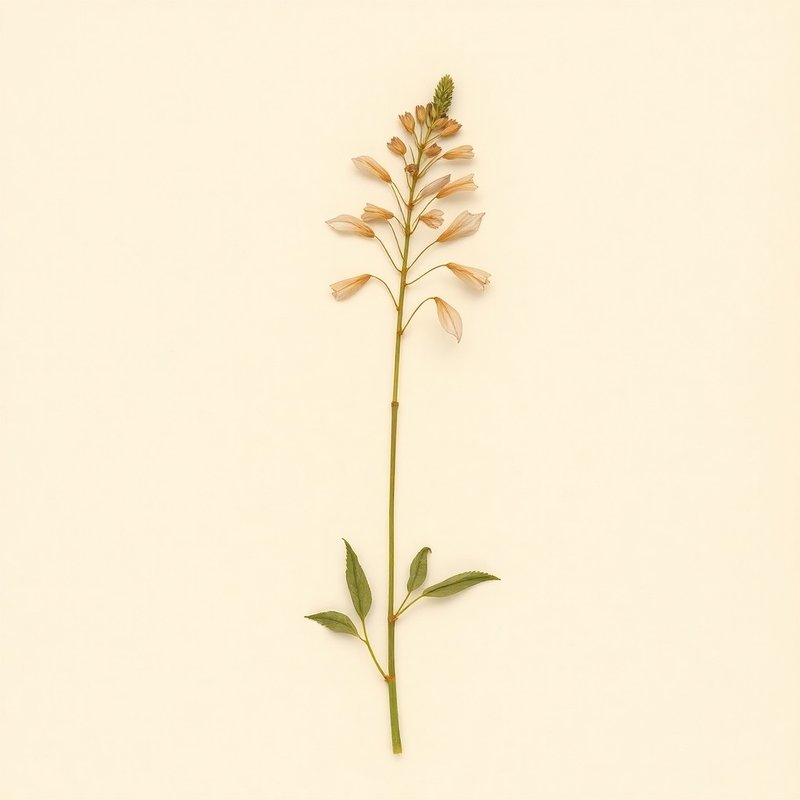
Mentha x piperita vulgaris (Black Peppermint) — botanical photograph
Black Peppermint (Mentha x piperita vulgaris)
X

See also

8 related
XI

Explore further

XII

About this entry

Last updated
Citation
How to cite this entry · Submit a correction
Back to the cataloguePlant id · 3b987126-b7c9-4897-a1b9-79dab86cf806
Decision aid
Choosing between Black Peppermint and something else?
Compare with another plant

Continue reading

❦❦❦❦
Endpaper · archive updates

Get archive updates

Occasional email when substantial new content lands — plant profiles, seasonal growing notes, folk-remedy additions. Free, no tracking, unsubscribe anytime.

Newsletter returning soon.
We are rebuilding the update list around a lightweight editorial workflow. New dispatches will resume after the next content review cycle.
iCare notes