
Caroline Ivory Nut Palm
Metroxylon amicarum
Educational content — not medical, botanical, or professional advice. Plant identification, safety, and edibility depend on local conditions, cultivars, and correct identification. Consult a qualified botanist or forager before consuming or handling wild specimens. How we source & review →
Garden journal pausedUse profile notes below
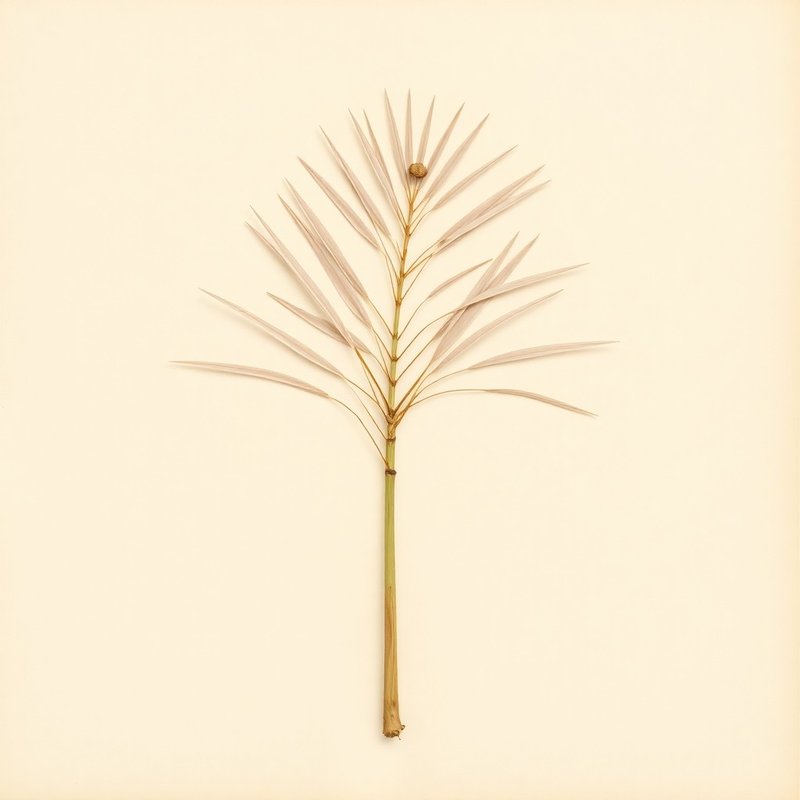
Pl. 99D2 — Metroxylon amicarum
Metroxylon amicarumMetroxylon amicarumMetroxylon amicarumMetroxylon amicarumMetroxylon amicarumMetroxylon amicarumMetroxylon amicarumMetroxylon amicarumMetroxylon amicarumMetroxylon amicarumMetroxylon amicarumMetroxylon amicarumMetroxylon amicarumMetroxylon amicarum
IOverview
Overview
The Caroline Ivory Nut Palm (Metroxylon amicarum) is a towering palm native to the Caroline Islands, where it thrives in moist, wet environments with light sandy, medium, or clay soils. Known for its edible parts, including the apical bud, seed, and stem, this palm provides sustenance. The apical bud is often eaten raw or cooked as a vegetable, while the seeds can be roasted or ground into flour for various dishes. The stem is also edible when young and tender, typically prepared by boiling before consumption. This palm grows up to 25 meters tall and prefers full sun, making it a distinctive feature of its native habitat. Its adaptability to various soil types and hardiness in zones 10-12 contribute to its presence across the islands. Cultivators should ensure the soil remains consistently moist for best growth, as the palm is not drought-resistant. The Caroline Ivory Nut Palm is also valued for its utility, providing weaving material, crafting, containers, fencing, fire starter, nails, roofing, erosion control, textiles, and lumber. Introduced to the Marianas, it continues to be an important resource in the region.
Quick answers
What is Caroline Ivory Nut Palm?
The Caroline Ivory Nut Palm (Metroxylon amicarum) is a towering palm native to the Caroline Islands, where it thrives in moist, wet environments with light sandy, medium, or clay soils. Known for its edible parts, including the apical bud, seed, and stem, this palm provides sustenance.
Growingconditions · propagation · uses
VCultivation
Cultivation
The Caroline Ivory Nut Palm thrives in full sun and requires moist to wet soil that can be light (sandy), medium, or heavy (clay). It is hardy in temperate regions with a temperature range of 10-12 on the USDA Hardiness Zone scale. This palm can grow up to 25 meters tall and produces edible parts including the apical bud, seed, and stem. Ensure the soil remains consistently moist for best growth.
Light
Full sun
Water
Moist, Wet
Soil
Light (sandy), Medium, Heavy (clay)
Hardiness
10-12
Mature size
25.0 m tall
For first-time growers
How to grow Caroline Ivory Nut Palm for the first time
8steps
Start with a simple, low-maintenance palm that thrives in warm, moist conditions.
- 1
What you'll need
A young Caroline Ivory Nut Palm sapling and a large pot or garden bed.
- 2
Best time to plant
Plant during the spring when temperatures are consistently above 20°C (68°F).
- 3
Soil and container prep
Use well-draining soil with some sand mixed in. Ensure containers have drainage holes.
- 4
Sowing or transplanting
Transplant the sapling into a larger pot or directly into the garden bed, ensuring it is stable.
- 5
First two weeks
Keep the soil consistently moist and avoid direct sunlight for the first week to reduce stress.
- 6
Ongoing care
Water regularly, especially during dry spells. Provide full sun once established.
- 7
Harvest or pruning
Prune dead leaves to maintain a neat appearance but do not harvest parts for consumption as it is not commonly done.
- 8
Common mistakes
Overwatering, underexposure to sunlight, and neglecting to prune dead foliage.
VIEdible & utility
Edible & utility
Edible parts:Apical budSeedStem
Edible uses: The Caroline Ivory Nut Palm's apical bud and seeds are edible. The apical bud is often eaten raw or cooked as a vegetable. Seeds can be roasted or ground into flour for use in various dishes. The stem is also edible when young and tender, typically prepared by boiling before consumption.
Other uses:Weaving materialCraftingContainersFencingFire starterNailsRoofingErosion controltextilesLumber
Contextrange · companions · related
VIIDistribution
1 native · 1 introduced
Distribution
1 native · 1 introducedDistribution across0 continents· 1 native· 1 introduced
Broader regions
native:Caroline Is.
introduced:Marianas
IXSpecimen gallery
1 image
Specimen gallery
1 imageXI
Explore further
Companion planting
Growing zone
Native to
XII
About this entry
- Last updated
- Citation
- How to cite this entry · Submit a correction
Back to the cataloguePlant id · 99d2bcf2-c547-4299-b9f3-8d16988c64de
Decision aid
Choosing between Caroline Ivory Nut Palm and something else?
Continue reading
❦❦❦❦
Endpaper · archive updates
Get archive updates
Occasional email when substantial new content lands — plant profiles, seasonal growing notes, folk-remedy additions. Free, no tracking, unsubscribe anytime.
Newsletter returning soon.
We are rebuilding the update list around a lightweight editorial workflow. New dispatches will resume after the next content review cycle.