
Microseris nutans
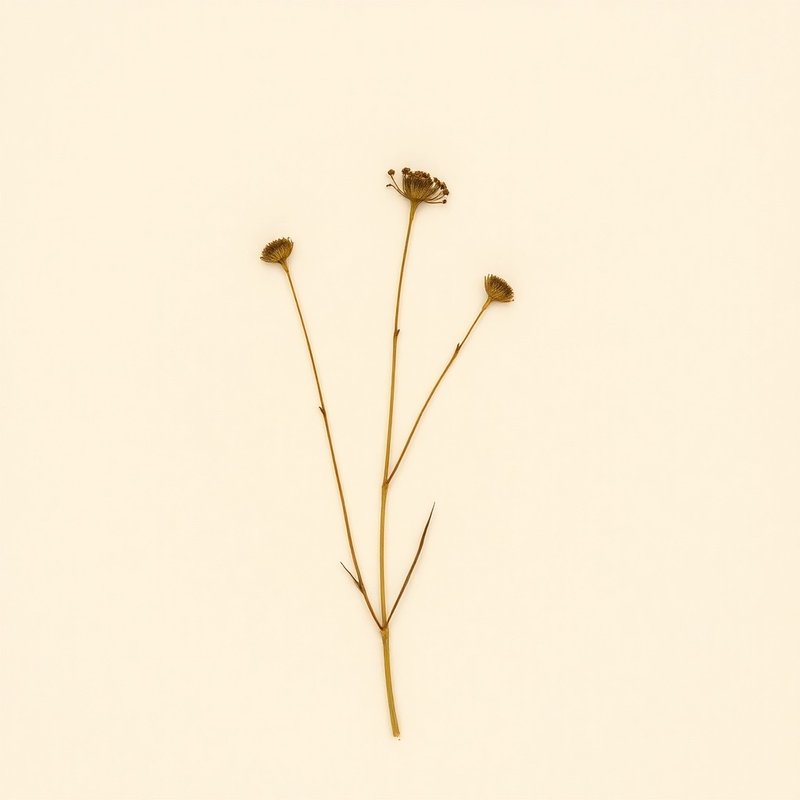
IOverview
Overview
Microseris nutans, a perennial forb/herb native to the western United States and Canada, thrives in moist environments with light requirements of full sun. Found across regions including Alberta, British Columbia, California, Colorado, Idaho, Montana, Nevada, Oregon, South Dakota, Utah, Washington, and Wyoming, this plant is known for its edible root parts. Its adaptability to various soil types—ranging from light (sandy) to heavy (clay)—and a pH tolerance of 6 to 7.2 makes it a resilient species in diverse habitats. One distinctive feature is its presence in both moist and drier conditions, showcasing its flexibility in growing environments.
What is Microseris nutans?
Microseris nutans, a perennial forb/herb native to the western United States and Canada, thrives in moist environments with light requirements of full sun.
VCultivation
Cultivation
How to grow Microseris nutans for the first time
Start with a simple, light-loving perennial that thrives in moist soil and full sun.
- 1
What you'll need
Microseris nutans seeds or young plants, garden tools, water can.
- 2
Best time to plant
Plant in spring after the last frost or fall before the first freeze.
- 3
Soil and container prep
Prepare soil with organic matter; ensure it's light (sandy), medium, or heavy clay. Ensure good drainage.
- 4
Sowing or transplanting
Direct sow seeds in the ground or start young plants indoors a month before planting outside.
- 5
First two weeks
Water regularly to keep soil moist but not waterlogged; mulch around the base for moisture retention.
- 6
Ongoing care
Provide full sun and regular watering, especially during dry spells. Prune dead leaves as needed.
- 7
Harvest or pruning
Prune dead foliage to maintain plant health; no need to harvest roots for food.
- 8
Common mistakes
Overwatering, planting in too heavy soil, neglecting sun exposure.
VIEdible & utility
Edible & utility
VIIDistribution
12 native · 0 introduced
Distribution
12 native · 0 introducedIXSpecimen gallery
1 image
Specimen gallery
1 imageExplore further
About this entry
- Last updated
- Citation
- How to cite this entry · Submit a correction
Continue reading
Get archive updates
Occasional email when substantial new content lands — plant profiles, seasonal growing notes, folk-remedy additions. Free, no tracking, unsubscribe anytime.