
Morivivir
Mimosa pudica
Educational content — not medical, botanical, or professional advice. Plant identification, safety, and edibility depend on local conditions, cultivars, and correct identification. Consult a qualified botanist or forager before consuming or handling wild specimens. How we source & review →
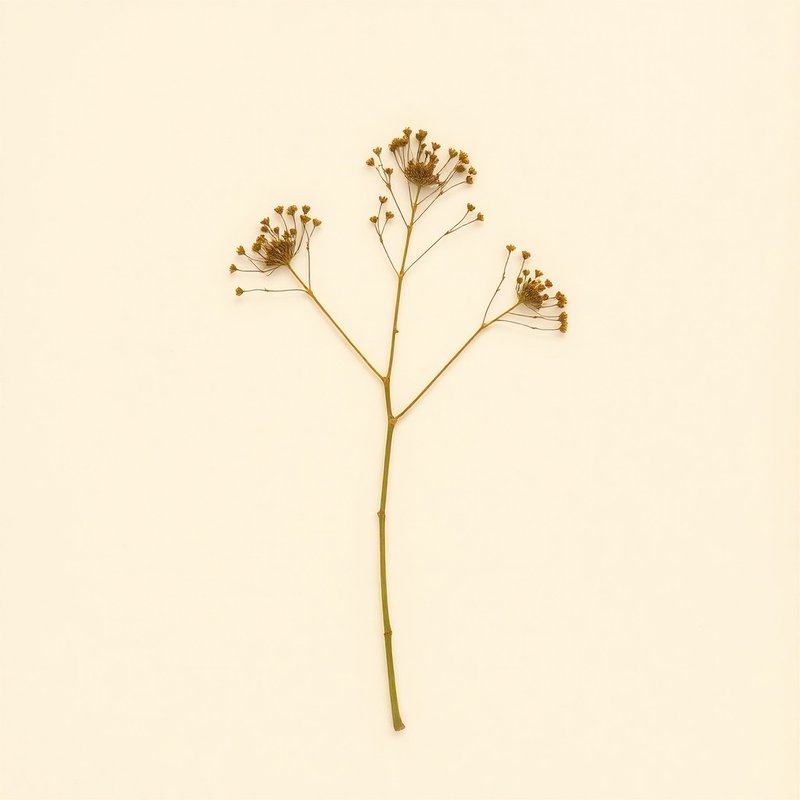
Pl. BA16 — Mimosa pudica
Mimosa pudicaMimosa pudicaMimosa pudicaMimosa pudicaMimosa pudicaMimosa pudicaMimosa pudicaMimosa pudicaMimosa pudicaMimosa pudicaMimosa pudicaMimosa pudicaMimosa pudicaMimosa pudica
IOverview
Overview
Mimosa pudica, commonly known as Morivivir, is a delicate perennial or annual forb that thrives in the warm climates of Central and South America, including regions such as the Bahamas, Belize, Bolivia, Brazil, Colombia, Costa Rica, Cuba, Ecuador, Guatemala, Haiti, Honduras, Jamaica, Mexico, Nicaragua, Panama, Peru, Puerto Rico, Suriname, Trinidad-Tobago, and Venezuela. This plant is celebrated for its edible flowers, which can be enjoyed in culinary dishes. One of Morivivir's most distinctive features is its sensitive leaves, which fold inward when touched or disturbed, a fascinating response that has intrigued botanists and nature enthusiasts alike. Preferring moist conditions with partial to full sun, it grows well in light (sandy), medium, and heavy (clay) soils, making it adaptable to various environments within its native range.
Quick answers
What is Morivivir?
Mimosa pudica, commonly known as Morivivir, is a delicate perennial or annual forb that thrives in the warm climates of Central and South America, including regions such as the Bahamas, Belize, Bolivia, Brazil, Colombia, Costa Rica, Cuba, Ecuador, Guatemala, Haiti, Honduras, Jama
Growingconditions · propagation · uses
VCultivation
Cultivation
Morivivir thrives in full to partial sun and prefers moist soil that is light (sandy), medium, or heavy (clay). It is hardy in temperate regions within zones 10-12 and can be propagated by seeds or cuttings. As an annual or perennial forb/herb, it grows up to 0.5 meters tall and produces edible flowers. Ensure the soil remains consistently moist for best growth.
Light
Full sun, Partial sun/shade
Water
Moist
Soil
Light (sandy), Medium, Heavy (clay)
Hardiness
10-12
Life cycle
Annual, Perennial
Habit
Forb/herb
Mature size
0.5 m tall
For first-time growers
How to grow Morivivir for the first time
7steps
Start with a simple and low-maintenance approach to growing Morivivir.
- 1
What you'll need
A small pot, well-draining soil, seeds or young plants.
- 2
Best time to plant
Plant in spring when temperatures are consistently above 15°C (60°F).
- 3
Soil and container prep
Use a light, sandy mix. Ensure the pot has drainage holes.
- 4
Sowing or transplanting
Direct sow seeds in the soil or start with young plants from a nursery.
- 5
First two weeks
Keep the soil moist and place the plant in partial shade to avoid sunburn.
- 6
Ongoing care
Water when the top inch of soil feels dry. Provide full sun for best growth.
- 7
Harvest or pruning
Prune regularly to encourage bushy growth and remove any dead leaves.
VIEdible & utility
Edible & utility
Edible parts:Flowers
Edible uses: Oil, Drink
Other uses:Animal feedCover cropoilSoil reclamationErosion controltextilesGround coverNitrogen fixer
Contextrange · companions · related
VIIDistribution
30 native · 0 introduced
Distribution
30 native · 0 introducedDistribution across1 continent· 30 native
Americas19 regions
native (19)BahamasBelizeBoliviaColombiaCubaDominican RepublicEcuadorEl SalvadorFrench GuianaGuatemalaGuyanaHaitiHondurasJamaicaNicaraguaPeruPuerto RicoSurinameVenezuela
Broader regions
native:Trinidad-Tobago, Brazil Southeast, Mexico Southeast, Brazil South, Mexico Central, Southwest Caribbean, Brazil North, Brazil Northeast, Cayman Is., Leeward Is., Mexico Southwest
IXSpecimen gallery
1 image
Specimen gallery
1 imageXI
Explore further
Companion planting
Growing zone
XII
About this entry
- Last updated
- Citation
- How to cite this entry · Submit a correction
Back to the cataloguePlant id · ba1600cb-f8b8-4ab0-9f21-6abeeeb15a72
Decision aid
Choosing between Morivivir and something else?
Continue reading
❦❦❦❦
Endpaper · archive updates
Get archive updates
Occasional email when substantial new content lands — plant profiles, seasonal growing notes, folk-remedy additions. Free, no tracking, unsubscribe anytime.