
Monkey Flower
Mimulus geyeri
Educational content — not medical, botanical, or professional advice. Plant identification, safety, and edibility depend on local conditions, cultivars, and correct identification. Consult a qualified botanist or forager before consuming or handling wild specimens. How we source & review →
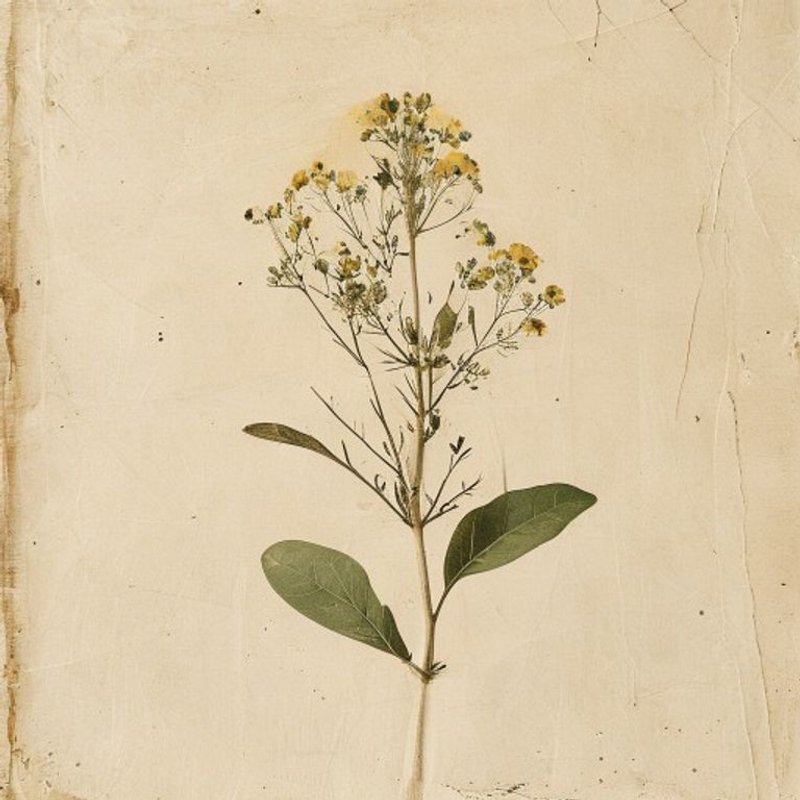
Pl. 625D — Mimulus geyeri
Mimulus geyeriMimulus geyeriMimulus geyeriMimulus geyeriMimulus geyeriMimulus geyeriMimulus geyeriMimulus geyeriMimulus geyeriMimulus geyeriMimulus geyeriMimulus geyeriMimulus geyeriMimulus geyeri
IOverview
Overview
Monkey Flower, known botanically as Mimulus geyeri, is a perennial forb or herb that thrives in various habitats across North America and Mexico. Native to regions including Alberta, Arizona, Colorado, Illinois, Iowa, Kansas, Manitoba, and parts of Mexico, this plant can be found growing in full sun to partial shade with a preference for wetter soils, making it adaptable to light (sandy), medium, or heavy (clay) conditions. Standing at about 0.6 meters tall, Monkey Flower is recognized not only for its ornamental value but also for its edible parts, specifically the leaves and shoots, which are safe for consumption. This plant's ability to grow in diverse environments makes it a valuable addition to gardens and natural landscapes alike.
Quick answers
What is Monkey Flower?
Monkey Flower, known botanically as Mimulus geyeri, is a perennial forb or herb that thrives in various habitats across North America and Mexico.
Growingconditions · propagation · uses
VCultivation
Cultivation
Monkey Flower thrives in full to partial sun and prefers moist soil that is light (sandy), medium, or heavy (clay). It is a perennial that grows up to 0.6 meters tall and can be propagated by division or seed. This plant is hardy in temperate regions and is native to areas including Alberta, Arizona, Colorado, Illinois, Iowa, Kansas, Manitoba, and parts of Mexico. The edible leaves and shoots are safe for consumption.
Light
Full sun, Partial sun/shade
Water
Wet, Water
Soil
Light (sandy), Medium, Heavy (clay)
Life cycle
Perennial
Habit
Forb/herb
Mature size
0.6 m tall
For first-time growers
How to grow Monkey Flower for the first time
7steps
Start with planting Monkey Flower in a sunny spot and follow these simple steps for success.
- 1
What you'll need
Monkey Flower plants, well-draining soil, water can, garden gloves.
- 2
Best time to plant
Plant in spring after the last frost or fall before the first freeze.
- 3
Soil and container prep
Choose a location with full sun to partial shade. Ensure the soil is well-draining, light, medium, or heavy but not waterlogged.
- 4
Sowing or transplanting
Transplant young plants from a nursery into your garden or start seeds indoors 4-6 weeks before planting outside.
- 5
First two weeks
Water regularly to keep the soil moist. Monitor for signs of stress and adjust watering as needed.
- 6
Ongoing care
Water when the top inch of soil feels dry, especially during hot weather. Deadhead spent flowers to encourage more blooms.
- 7
Harvest or pruning
Prune back any dead or yellowing leaves and stems to maintain plant health and appearance.
VIEdible & utility
Edible & utility
Edible parts:LeavesShoots
Edible uses: The leaves and shoots of Monkey Flower (Mimulus geyeri) are edible. Typically, they are prepared fresh, either raw or lightly cooked. These parts can add a mild flavor to salads or be steamed briefly for use in various dishes.
Contextrange · companions · related
VIIDistribution
27 native · 0 introduced
Distribution
27 native · 0 introducedDistribution across0 continents· 27 native
Broader regions
native:Alberta, Arizona, Colorado, Iowa, Kansas, Manitoba, Mexico Central, Mexico Gulf, Mexico Northwest, Michigan, Minnesota, Missouri, Nebraska, Nevada, New Mexico, Oklahoma, Ontario, Pennsylvania, Québec, Saskatchewan, South Dakota, Texas, Utah, Wisconsin, Wyoming, Mexico Northeast, Illinois
IXSpecimen gallery
1 image
Specimen gallery
1 imageXI
Explore further
Companion planting
XII
About this entry
- Last updated
- Citation
- How to cite this entry · Submit a correction
Back to the cataloguePlant id · 625dba7d-7b03-4924-81df-7197ee536be2
Decision aid
Choosing between Monkey Flower and something else?
Continue reading
❦❦❦❦
Endpaper · archive updates
Get archive updates
Occasional email when substantial new content lands — plant profiles, seasonal growing notes, folk-remedy additions. Free, no tracking, unsubscribe anytime.