
Yellow Monkey Flower
IOverview
Overview
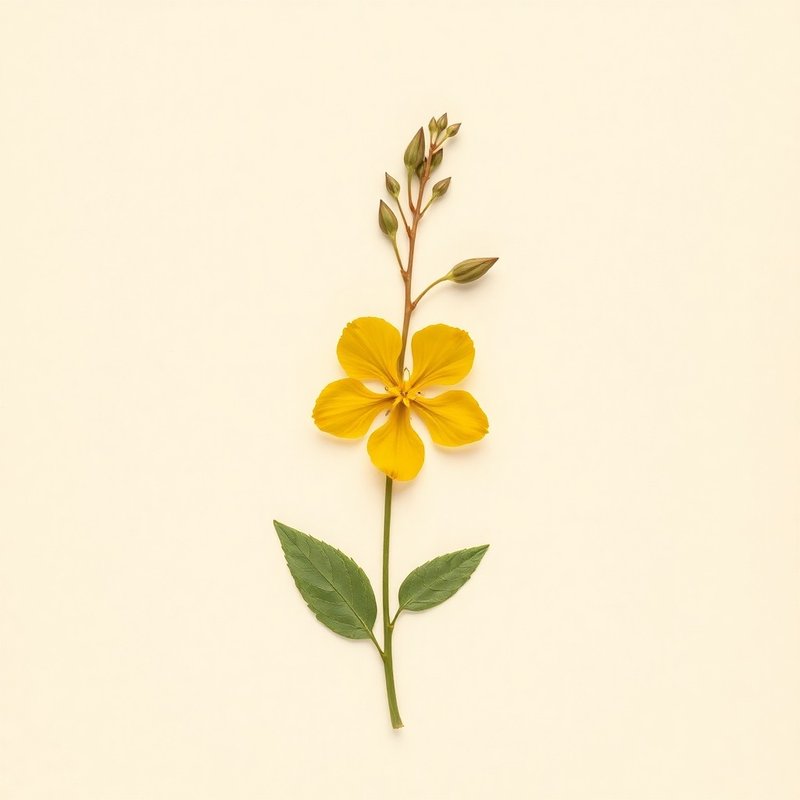
Yellow Monkey Flower (Mimulus guttatus) is a perennial herb that thrives in moist to wet environments across North America and northern Mexico, native to regions including Alaska, Alberta, British Columbia, California, Colorado, Idaho, and parts of Mexico. This plant can be found growing up to 0.6 meters in height with a rhizomatous growth form, making it both ornamental and useful for its rapid growth habit. It prefers light (sandy), medium, or heavy (clay) soils with a pH between 6 and 8, adapting well to various growing conditions. The leaves of Yellow Monkey Flower are edible and can be consumed fresh or used in teas, adding a mild flavor when eaten raw or steeped in hot water. This plant is known for its distinctive light, airy habit, making it an attractive addition to gardens and landscapes. While primarily valued for its ornamental qualities, the edible nature of its leaves also makes Yellow Monkey Flower useful as a culinary herb. Yellow Monkey Flower has been introduced into numerous regions including Austria, Belgium, Bulgaria, and more, showcasing its adaptability beyond its native range. Its hardiness spans zones 5-9, making it suitable for cultivation in a variety of climates. This plant requires full sun to partial shade and prefers well-drained yet moisture-retentive soil; regular watering will ensure its health. While not traditionally used medicinally, the edible leaves of Yellow Monkey Flower are safe for consumption when harvested from native plants in regions such as Alaska, Alberta, Arizona, and British Columbia. Always exercise caution when identifying and consuming wild plants to avoid potential confusion with look-alike species.
What is Yellow Monkey Flower?
Yellow Monkey Flower (Mimulus guttatus) is a perennial herb that thrives in moist to wet environments across North America and northern Mexico, native to regions including Alaska, Alberta, British Columbia, California, Colorado, Idaho, and parts of Mexico.
VCultivation
Cultivation
How to grow Yellow Monkey Flower for the first time
Start with Yellow Monkey Flower as a simple, low-maintenance perennial for your garden.
- 1
What you'll need
Seeds or young plants, a trowel, and a watering can.
- 2
Best time to plant
Plant in spring after the last frost or in fall before the first freeze.
- 3
Soil and container prep
Choose a location with moist, well-draining soil. Amend your garden bed with compost if needed.
- 4
Sowing or transplanting
Direct sow seeds in early spring or start them indoors 6-8 weeks before the last frost. Transplant young plants outdoors after danger of frost passes.
- 5
First two weeks
Water regularly to keep soil moist but not waterlogged. Mulch around the base for added moisture retention.
- 6
Ongoing care
Provide light watering during dry spells and deadhead spent flowers to encourage more blooms. Divide plants every 3-4 years to maintain vigor.
- 7
Harvest or pruning
Prune back after flowering to promote a bushier plant and prevent legginess.
- 8
Common mistakes
Overwatering, planting in too dry soil, neglecting deadheading, and not dividing the plants regularly.
VIEdible & utility
Edible & utility
VIIDistribution
23 native · 30 introduced
Distribution
23 native · 30 introducedIXSpecimen gallery
1 image
Specimen gallery
1 imageExplore further
About this entry
- Last updated
- Citation
- How to cite this entry · Submit a correction
Continue reading
Get archive updates
Occasional email when substantial new content lands — plant profiles, seasonal growing notes, folk-remedy additions. Free, no tracking, unsubscribe anytime.