
Pacific Island silvergrass
Miscanthus floridulus
Educational content — not medical, botanical, or professional advice. Plant identification, safety, and edibility depend on local conditions, cultivars, and correct identification. Consult a qualified botanist or forager before consuming or handling wild specimens. How we source & review →
Garden journal pausedUse profile notes below
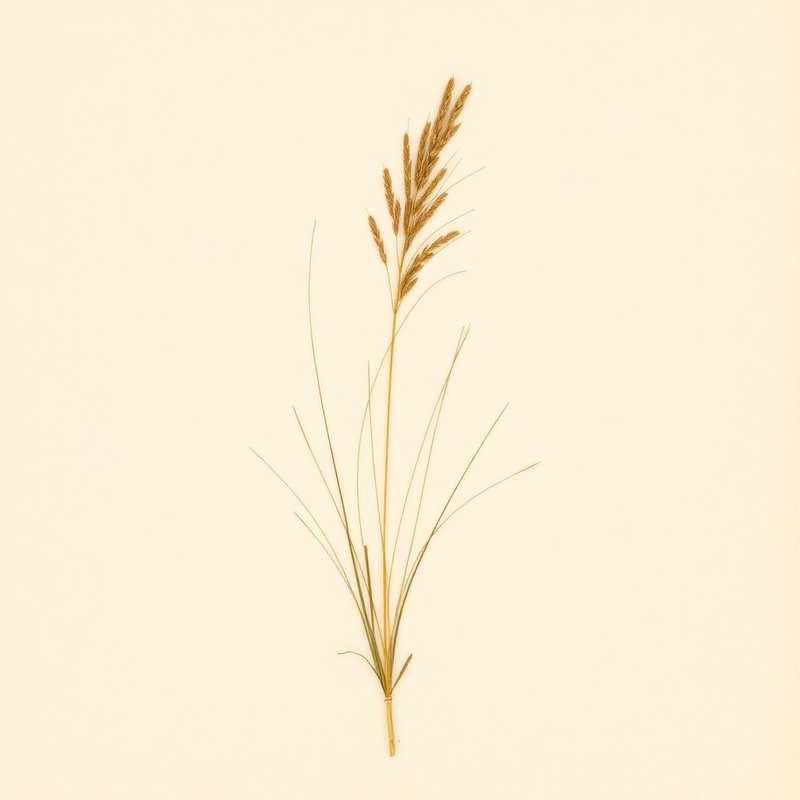
Pl. BF67 — Miscanthus floridulus
Miscanthus floridulusMiscanthus floridulusMiscanthus floridulusMiscanthus floridulusMiscanthus floridulusMiscanthus floridulusMiscanthus floridulusMiscanthus floridulusMiscanthus floridulusMiscanthus floridulusMiscanthus floridulusMiscanthus floridulusMiscanthus floridulusMiscanthus floridulus
IOverview
Overview
Pacific Island silvergrass (Miscanthus floridulus) is a perennial grass native to the Pacific and Southeast Asia regions, including the Bismarck Archipelago, Caroline Islands, China South-Central, Cook Islands, Fiji, Gilbert Islands, Hainan, Japan, and other islands in the area. This plant thrives in moist environments with light to partial sun and can tolerate various soil types, from sandy to clay. It grows up to 2.5 meters tall and is known for its ornamental value as well as being edible, with its flowers serving as a food source. The plant's adaptability makes it a valuable addition to gardens and landscapes across its native range. Pacific Island silvergrass has been introduced into Arkansas, Hawaii, the Marianas, and Missouri, where it can be used in hedgerows and other landscaping applications. However, it has potential as a weed, so care should be taken in its cultivation. Its edible parts, particularly the flowers, can be eaten raw or lightly cooked in salads, adding a mild flavor to dishes. The plant's hardiness zones range from 6 to 9, making it suitable for a variety of climates. Pacific Island silvergrass is a graminoid that grows fast and is part of the Poaceae or Gramineae family. Its introduction into new regions has made it a useful ornamental and edible plant, but its rapid growth can sometimes lead to weed-like behavior, especially in areas where it is not native.
Quick answers
What is Pacific Island silvergrass?
Pacific Island silvergrass (Miscanthus floridulus) is a perennial grass native to the Pacific and Southeast Asia regions, including the Bismarck Archipelago, Caroline Islands, China South-Central, Cook Islands, Fiji, Gilbert Islands, Hainan, Japan, and other islands in the area.
Growingconditions · propagation · uses
VCultivation
Cultivation
Pacific Island silvergrass thrives in full to partial sun and requires moist soil that can be light (sandy), medium, or heavy (clay). It is hardy in zones 6-9 and grows up to 2.5 meters tall as a perennial. This plant prefers well-drained conditions but will tolerate some moisture. For propagation, division of the clumps is effective. Harvest the edible flowers for culinary use.
Light
Full sun, Partial sun/shade
Water
Moist
Soil
Light (sandy), Medium, Heavy (clay)
Hardiness
6-9
Life cycle
Perennial
Habit
Graminoid
Mature size
2.5 m tall
For first-time growers
How to grow Pacific Island silvergrass for the first time
8steps
Start with Pacific Island silvergrass as a simple, low-maintenance perennial for your garden.
- 1
What you'll need
A young plant or seeds, a trowel, and mulch.
- 2
Best time to plant
Plant in spring after the last frost or fall before the first freeze.
- 3
Soil and container prep
Choose a location with well-draining soil that's light (sandy), medium, or heavy. Ensure full sun to partial shade.
- 4
Sowing or transplanting
Transplant young plants in early spring or sow seeds directly into the ground after danger of frost has passed.
- 5
First two weeks
Water regularly to keep soil moist but not waterlogged. Monitor for pests and diseases.
- 6
Ongoing care
Water when dry, mulch around the base, and prune dead foliage in early spring.
- 7
Harvest or pruning
Prune old growth to encourage new growth and maintain a tidy appearance. Remove any dead leaves throughout the season.
- 8
Common mistakes
Overwatering, planting in heavy shade, neglecting winter protection in colder zones.
VIEdible & utility
Edible & utility
Edible parts:Flowers
Edible uses: The Pacific Island silvergrass is used for its flowers, which are typically eaten raw or lightly cooked in salads. The plant thrives in moist, light to medium soil and full sun to partial shade. Its edible parts add a mild flavor to dishes.
Other uses:Hedgerow
Contextrange · companions · related
VIIDistribution
34 native · 4 introduced
Distribution
34 native · 4 introducedDistribution across3 continents· 34 native· 4 introduced
Asia7 regions
native (7)ChinaJapanLaosMyanmarPhilippinesTaiwanVietnam
Americas1 region
introduced (1)United States
Oceania5 regions
native (5)FijiNew CaledoniaSamoaTongaVanuatu
Broader regions
native:Bismarck Archipelago, Caroline Is., Cook Is., Gilbert Is., Hainan, Jawa, Lesser Sunda Is., Malaya, Maluku, Marquesas, Marshall Is., Nansei-shoto, New Guinea, Niue, Society Is., Solomon Is., Sulawesi, Sumatera, Tuamotu, Tubuai Is., Wallis-Futuna Is.
introduced:Arkansas, Marianas, Missouri
IXSpecimen gallery
1 image
Specimen gallery
1 imageXI
Explore further
Companion planting
Growing zone
XII
About this entry
- Last updated
- Citation
- How to cite this entry · Submit a correction
Back to the cataloguePlant id · bf671b6a-287f-436d-9090-9d80942549fa
Decision aid
Choosing between Pacific Island silvergrass and something else?
Continue reading
❦❦❦❦
Endpaper · archive updates
Get archive updates
Occasional email when substantial new content lands — plant profiles, seasonal growing notes, folk-remedy additions. Free, no tracking, unsubscribe anytime.
Newsletter returning soon.
We are rebuilding the update list around a lightweight editorial workflow. New dispatches will resume after the next content review cycle.