
Single Delight
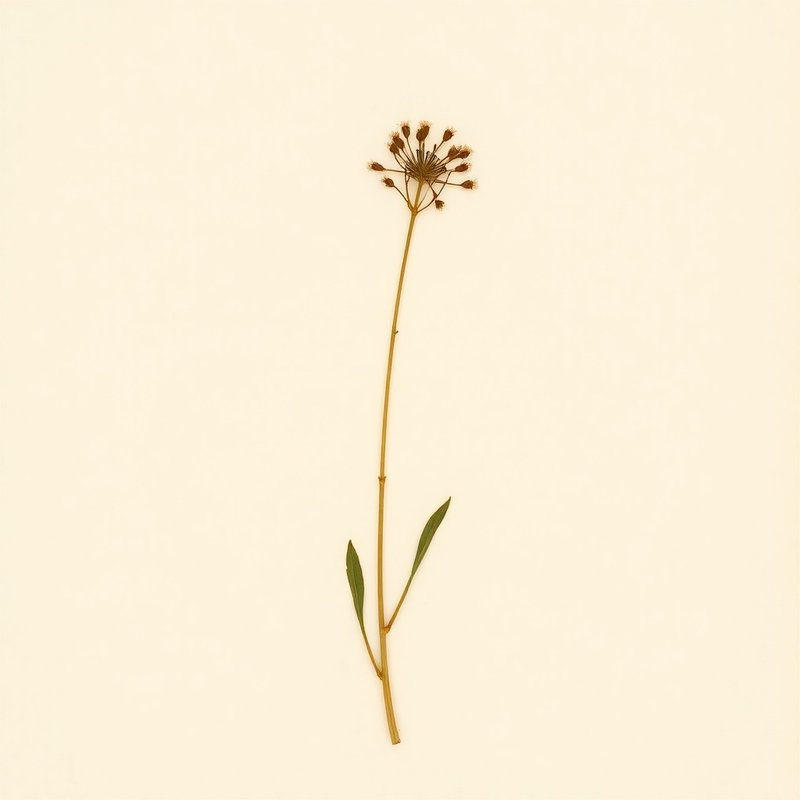
IOverview
Overview
Single Delight (Moneses uniflora) is a perennial herb native to the northern regions of North America and Europe, as well as parts of Asia. This plant thrives in moist, light (sandy) to medium soils with a pH between 5 and 5.5, making it adaptable to various environments within its extensive range that spans from Alaska and Alberta in North America to Albania and Austria in Europe, with additional occurrences in regions like China, Japan, and parts of Russia. Known for both its ornamental value and edible fruit and seeds, Single Delight can grow up to 0.1 meters tall and prefers partial shade or dappled sunlight, making it a versatile addition to gardens and landscapes. The plant's native habitat includes diverse locations such as Alaska, Alberta, Altay, Amur, Arizona, Austria, Belarus, Belgium, British Columbia, Bulgaria, Buryatiya, California, Central European Rus, China North-Central, China South-Central, Chita, Colorado, Connecticut, Corse, Czechoslovakia, Denmark, East European Russia, Finland, France, Germany, Great Britain, Greece, Hungary, Idaho, Irkutsk, Italy, Japan, Kamchatka, Kazakhstan, Khabarovsk, Kirgizstan, Korea, Krasnoyarsk, Krym, Kuril Is., Labrador, Maine, Manchuria, Manitoba, Massachusetts, Michigan, Minnesota, Mongolia, Montana, Netherlands, Nevada, New Brunswick, New Hampshire, New Mexico, New York, Newfoundland, North Caucasus, North European Russi, Northwest European R, Northwest Territorie, Norway, Nova Scotia, Nunavut, Ohio, Ontario, Oregon, Poland, Primorye, Prince Edward I., Québec, Rhode I., Romania, Sakhalin, Saskatchewan, South Dakota, South European Russi, Spain, Sweden, Switzerland, Taiwan, Transcaucasus, Turkey, Tuva, Ukraine, Utah, Vermont, Washington, West Himalaya, West Siberia, Wisconsin, Wyoming, Xinjiang, Yakutskiya, Yugoslavia, and Yukon. Both the fruit and seeds of Single Delight are edible; they can be consumed fresh or dried, with the seeds often used in cooking or ground into flour for various applications. While this plant is not known for medicinal uses, its presence in gardens and landscapes adds a touch of natural beauty and diversity. Gardeners should ensure consistent moisture but avoid waterlogged soil to promote healthy growth.
What is Single Delight?
Single Delight (Moneses uniflora) is a perennial herb native to the northern regions of North America and Europe, as well as parts of Asia. This plant thrives in moist, light (sandy) to medium soils with a pH between 5 and 5.
VCultivation
Cultivation
How to grow Single Delight for the first time
Single Delight is a low-maintenance perennial that's perfect for beginners looking to add a touch of beauty with minimal effort.
- 1
What you'll need
Single Delight bulbs or seeds, potting soil, containers, and water.
- 2
Best time to plant
Plant in early spring after the last frost or late summer for best results.
- 3
Soil and container prep
Use a well-draining mix with light (sandy) to medium soil. Containers should have drainage holes.
- 4
Sowing or transplanting
Plant bulbs 2-3 inches deep and 4-6 inches apart, or sow seeds directly in the ground after last frost.
- 5
First two weeks
Water regularly to keep soil moist but not waterlogged. Avoid direct sunlight during this period.
- 6
Ongoing care
Provide light (sandy) to medium soil and ensure it stays slightly acidic with a pH of 5-5.5. Water when the top inch of soil feels dry.
- 7
Harvest or pruning
Prune dead leaves in late winter before new growth appears, but avoid cutting back flowering stems until after they fade.
- 8
Common mistakes
Overwatering, planting too deep, and exposing to direct sunlight during the first two weeks are common pitfalls.
VIEdible & utility
Edible & utility
VIIDistribution
98 native · 0 introduced
Distribution
98 native · 0 introducedIXSpecimen gallery
1 image
Specimen gallery
1 imageExplore further
About this entry
- Last updated
- Citation
- How to cite this entry · Submit a correction
Continue reading
Get archive updates
Occasional email when substantial new content lands — plant profiles, seasonal growing notes, folk-remedy additions. Free, no tracking, unsubscribe anytime.