
Water Blinks
IOverview
Overview
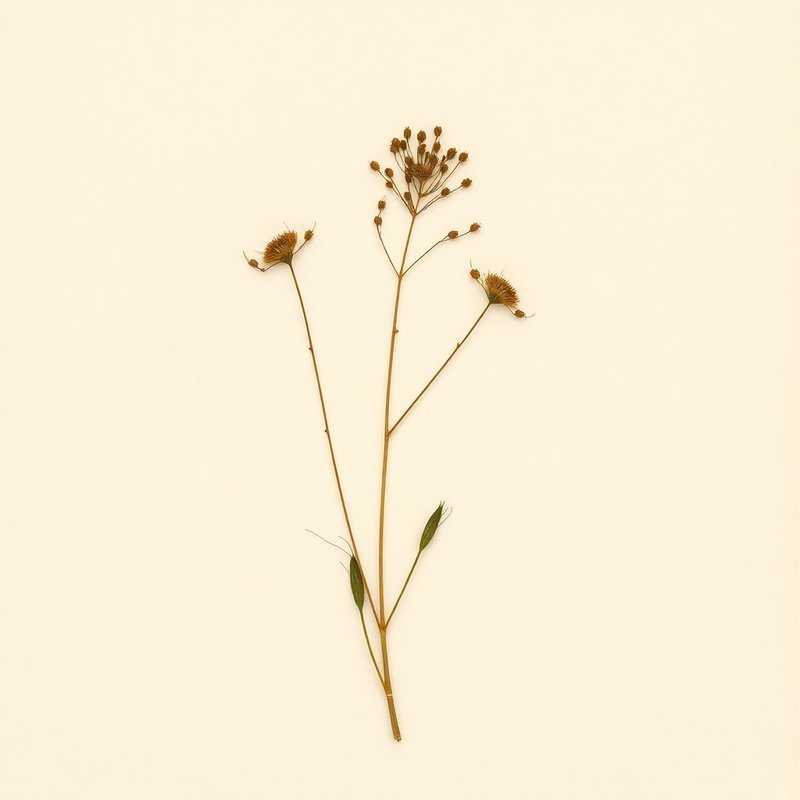
Water Blinks (Montia fontana), a perennial plant from the Portulacaceae family, is widely distributed across Europe, North America, and Asia, including regions such as Alaska, Albania, Austria, Belarus, Belgium, and many others. This adaptable species thrives in moist to wet conditions, often found in light sandy or medium to heavy clay soils with a pH between 5 and 5.5. The plant's leaves are edible and can be eaten raw or cooked, making them a versatile addition to salads or steamed as a green vegetable. Water Blinks is known for its ornamental value due to its low-growing habit and attractive foliage, which forms dense mats suitable for ground cover in gardens or natural settings. Its ability to thrive in diverse habitats makes it a valuable plant for both cultivated landscapes and wild areas. While not medicinal, the leaves are commonly consumed for their mild flavor, making Water Blinks a useful addition to culinary gardens. These plants require ample water and partial to full shade for optimal growth. For propagation, seeds or division of established plants can be used. Their adaptability and ornamental appeal make them suitable for various growing contexts, from home gardens to naturalized areas.
What is Water Blinks?
Water Blinks (Montia fontana), a perennial plant from the Portulacaceae family, is widely distributed across Europe, North America, and Asia, including regions such as Alaska, Albania, Austria, Belarus, Belgium, and many others.
VCultivation
Cultivation
How to grow Water Blinks for the first time
Water Blinks are a forgiving plant for beginners, making them perfect for your first gardening experience.
- 1
What you'll need
Seeds or young plants, a container with good drainage, and potting soil.
- 2
Best time to plant
Plant in early spring when the soil is moist but not waterlogged.
- 3
Soil and container prep
Use a container that allows for good drainage. Fill it with light, well-draining potting soil with a pH of 5-5.5.
- 4
Sowing or transplanting
Direct sow seeds in the container or start them indoors about 4 weeks before planting outside. Transplant young plants if needed.
- 5
First two weeks
Keep the soil consistently moist and provide partial shade to help establish the plant.
- 6
Ongoing care
Water regularly, especially during dry spells, but avoid overwatering. Provide light shade in hot weather.
- 7
Harvest or pruning
Prune back any leggy growth and remove dead leaves to encourage a bushy shape.
- 8
Common mistakes
Overwatering, planting in heavy soil, not providing enough shade during hot weather, and neglecting regular pruning.
VIEdible & utility
Edible & utility
VIIDistribution
112 native · 1 introduced
Distribution
112 native · 1 introducedIXSpecimen gallery
1 image
Specimen gallery
1 imageExplore further
About this entry
- Last updated
- Citation
- How to cite this entry · Submit a correction
Continue reading
Get archive updates
Occasional email when substantial new content lands — plant profiles, seasonal growing notes, folk-remedy additions. Free, no tracking, unsubscribe anytime.