
Horseradish Tree
Moringa oleifera
Educational content — not medical, botanical, or professional advice. Plant identification, safety, and edibility depend on local conditions, cultivars, and correct identification. Consult a qualified botanist or forager before consuming or handling wild specimens. How we source & review →
Garden journal pausedUse profile notes below
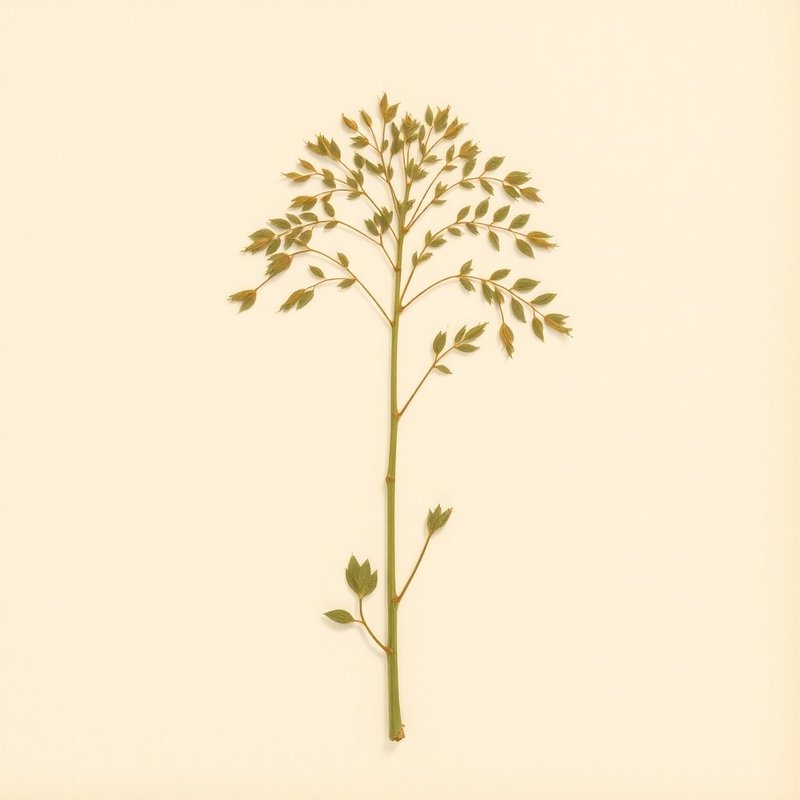
Pl. 04BE — Moringa oleifera
Moringa oleiferaMoringa oleiferaMoringa oleiferaMoringa oleiferaMoringa oleiferaMoringa oleiferaMoringa oleiferaMoringa oleiferaMoringa oleiferaMoringa oleiferaMoringa oleiferaMoringa oleiferaMoringa oleiferaMoringa oleifera
IOverview
Overview
Horseradish Tree (Moringa oleifera) is a versatile shrub or small tree native to India and Pakistan, now widely cultivated in tropical and subtropical regions around the world. This fast-growing plant thrives in full sun and adapts well to various soil types, including light sandy, medium, and heavy clay soils. Moringa oleifera can reach heights of up to 8 meters and is hardy in zones 10-12. Known for its multiple edible parts such as flowers, inner bark, leaves, root, seed, and seedpod, it serves as a valuable resource for sustainable gardening and nutrition. The Horseradish Tree's adaptability makes it suitable for various uses beyond food. Its wood can be used for lumber and fire starting, while the plant supports numerous other applications including cosmetic, dye, fencing, fertilizer, fiber, filter, animal feed, gum, hedgerow, oil, pioneer species, plant support, scourer, windbreak, soap making, soil conditioner, weaving material, tannin, and coppice. This multipurpose nature has led to its introduction in many regions such as Aldabra, Andaman Islands, Angola, Arizona, Assam, Bahamas, Bangladesh, Benin, Burkina Faso, California, Cambodia, Cameroon, Cape Verde, Caroline Islands, Cayman Islands, Central African Republic, Chad, Chagos Archipelago, China South-Central and Southeast, Christmas Island, Costa Rica, Cuba, Djibouti, Dominican Republic, East Himalaya, El Salvador, Eritrea, Ethiopia, Fiji, Florida, Gambia, Ghana, Guatemala, Guinea, Guinea-Bissau, Haiti, Honduras, Ivory Coast, Jamaica, Jawa, Kenya, Laccadive Islands, Laos, Leeward Islands, Lesser Sunda Islands, Libya, Madagascar, Maldives, Mali, Marianas, Mauritania, Mauritius, Mozambique Channel Islands, Myanmar, Nepal, Netherlands Antilles, New Caledonia, Nicobar Islands, Niger, Nigeria, Puerto Rico, Queensland, Rodrigues, Réunion, Senegal, Seychelles, Sierra Leone, Solomon Islands, Somalia, Southwest Caribbean, Sri Lanka, Sudan, Taiwan, Tanzania, Thailand, Togo, Trinidad-Tobago, Uganda, Venezuela, Venezuelan Antilles, Vietnam, Windward Islands, and Zaïre. The plant's edible parts offer a range of culinary uses, from oil and condiments to tea. Its leaves are particularly nutritious, providing essential vitamins and minerals. The Horseradish Tree is not medicinal in the traditional sense but its multiple uses make it an important resource for those interested in sustainable living and natural remedies.
Quick answers
What is Horseradish Tree?
Horseradish Tree (Moringa oleifera) is a versatile shrub or small tree native to India and Pakistan, now widely cultivated in tropical and subtropical regions around the world. This fast-growing plant thrives in full sun and adapts well to various soil types, including light sandy, medium, and heavy clay soils.
Growingconditions · propagation · uses
VCultivation
Cultivation
Horseradish Tree (Moringa oleifera) thrives in full sun and adapts to various soil types, including light sandy, medium, and heavy clay soils. It is hardy in zones 10-12 but can be grown as an ornamental or for its edible parts—flowers, inner bark, leaves, root, seed, and seedpods—in temperate regions with similar conditions. This shrub/tree grows to a height of 8 meters and requires regular watering during dry periods. Propagation is best done through seeds or cuttings.
Light
Full sun
Soil
Light (sandy), Medium, Heavy (clay)
Hardiness
10-12
Habit
Shrub, Tree
Mature size
8.0 m tall
For first-time growers
How to grow Horseradish Tree for the first time
8steps
Start with planting a Horseradish Tree in your garden for easy maintenance and basic care.
- 1
What you'll need
A young Horseradish Tree sapling, a trowel, and some compost.
- 2
Best time to plant
Plant the sapling in spring or early summer when temperatures are warm.
- 3
Soil and container prep
Choose a sunny spot with well-draining soil. Amend the soil with compost if needed.
- 4
Sowing or transplanting
Transplant the sapling directly into the garden, ensuring it's planted at the same depth as in its pot.
- 5
First two weeks
Water the tree regularly to keep the soil moist but not waterlogged. Monitor for any signs of stress.
- 6
Ongoing care
Water deeply once a week, especially during dry spells. Mulch around the base to retain moisture and suppress weeds.
- 7
Harvest or pruning
Prune lightly in late winter to encourage new growth and remove any dead branches.
- 8
Common mistakes
Overwatering, planting too deep, neglecting mulching, not providing enough sunlight, and using chemical fertilizers.
VIEdible & utility
Edible & utility
Edible parts:FlowersInner barkLeavesRootSeedSeedpodShoots
Edible uses: Oil, Condiment, Gum, Tea
Other uses:CosmeticDyeFencingFertilizerFiberFilterAnimal feedFire starterGumHedgerowoilPioneerPlant supportScourerWind breakerSoap makingSoil conditionerWeaving materialTanninLumberCoppice
Contextrange · companions · related
VIIDistribution
2 native · 84 introduced
Distribution
2 native · 84 introducedDistribution across4 continents· 2 native· 84 introduced
Asia14 regions
native (2)IndiaPakistan
introduced (12)BangladeshCambodiaChinaIndiaLaosMaldivesMyanmarNepalSri LankaTaiwanThailandVietnam
Americas11 regions
introduced (11)BahamasCosta RicaCubaDominican RepublicEl SalvadorGuatemalaHaitiHondurasJamaicaPuerto RicoVenezuela
Africa30 regions
introduced (30)AngolaBeninBurkina FasoCabo VerdeCameroonChadCôte d'IvoireDjiboutiEritreaEthiopiaGambiaGhanaGuineaGuinea-BissauKenyaLibyaMadagascarMaliMauritaniaMauritiusNigerNigeriaSenegalSeychellesSierra LeoneSomaliaSudanTanzaniaTogoUganda
Oceania2 regions
introduced (2)FijiNew Caledonia
Broader regions
introduced:Aldabra, Andaman Is., Arizona, California, Caroline Is., Cayman Is., Central African Repu, Chagos Archipelago, Christmas I., East Himalaya, Florida, Jawa, Laccadive Is., Leeward Is., Lesser Sunda Is., Marianas, Mozambique Channel I, Netherlands Antilles, Nicobar Is., Queensland, Réunion, Rodrigues, Solomon Is., Southwest Caribbean, Trinidad-Tobago, Venezuelan Antilles, Windward Is., Zaïre
IXSpecimen gallery
1 image
Specimen gallery
1 imageXI
Explore further
XII
About this entry
- Last updated
- Citation
- How to cite this entry · Submit a correction
Back to the cataloguePlant id · 04befa57-ac6b-455b-9706-5c799f458f40
Decision aid
Choosing between Horseradish Tree and something else?
Continue reading
❦❦❦❦
Endpaper · archive updates
Get archive updates
Occasional email when substantial new content lands — plant profiles, seasonal growing notes, folk-remedy additions. Free, no tracking, unsubscribe anytime.
Newsletter returning soon.
We are rebuilding the update list around a lightweight editorial workflow. New dispatches will resume after the next content review cycle.