
Wall Lettuce
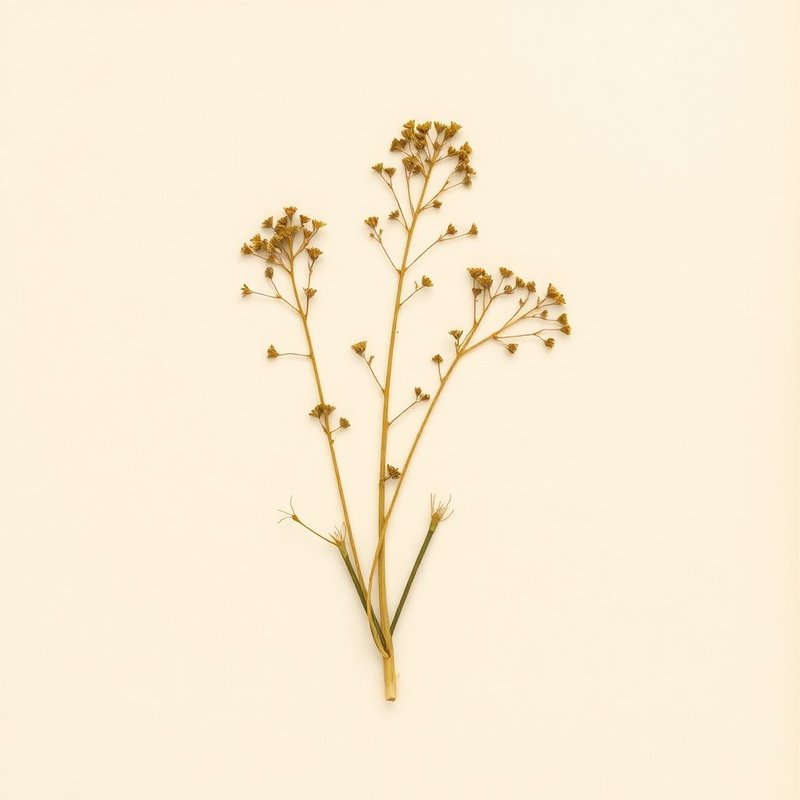
IOverview
Overview
Wall Lettuce (Mycelis muralis) is a perennial plant native to the Mediterranean and central Europe, ranging from Albania and Algeria to Ukraine and Yugoslavia. This hardy plant thrives in various soil types including light sandy, medium, and heavy clay soils with a pH of 7–7.5. It is commonly found growing wild in dry or moist habitats across its native range, often near walls and buildings, hence its name "Wall Lettuce." Known for its edible leaves, this plant can be eaten raw or cooked and is often used fresh in salads for its mild flavor. Wall Lettuce grows up to 1 meter tall, making it an interesting ornamental addition to gardens. Its ability to grow in diverse conditions and adaptability make it a valuable plant for those interested in edible landscaping. This perennial can thrive in light to partial shade and performs well in soils with a pH between 7 and 7.5. For propagation, gardeners can use seeds or division of established plants. While Wall Lettuce is primarily known for its culinary uses, it also has ornamental value due to its height and adaptability. It is commonly found introduced into regions such as British Columbia, Maine, Massachusetts, Michigan, Minnesota, New Hampshire, New York, Ontario, Oregon, Québec, Vermont, and Washington, where it can be seen thriving in gardens and natural settings alike. It's important to note that while Wall Lettuce is edible, caution should be exercised when foraging or consuming wild plants. Always ensure proper identification before consumption to avoid any potential risks.
What is Wall Lettuce?
Wall Lettuce (Mycelis muralis) is a perennial plant native to the Mediterranean and central Europe, ranging from Albania and Algeria to Ukraine and Yugoslavia. This hardy plant thrives in various soil types including light sandy, medium, and heavy clay soils with a pH of 7–7.
VCultivation
Cultivation
How to grow Wall Lettuce for the first time
Start with Wall Lettuce as a simple, low-maintenance perennial for your garden.
- 1
What you'll need
Seeds or young plants, a trowel, and a watering can.
- 2
Best time to plant
Plant in spring after the last frost or in early fall.
- 3
Soil and container prep
Choose a spot with well-draining soil that's slightly acidic to neutral (pH 7-7.5).
- 4
Sowing or transplanting
Direct sow seeds 0.5 inches deep, or plant young seedlings at 12-inch intervals.
- 5
First two weeks
Water regularly to keep the soil moist but not waterlogged.
- 6
Ongoing care
Provide consistent moisture and mulch around the base for weed control.
- 7
Harvest or pruning
Prune any dead leaves to encourage new growth and maintain a tidy appearance.
- 8
Common mistakes
Overwatering, planting in heavy clay soil, neglecting to prune dead foliage.
VIEdible & utility
Edible & utility
VIIDistribution
40 native · 13 introduced
Distribution
40 native · 13 introducedIXSpecimen gallery
1 image
Specimen gallery
1 imageExplore further
About this entry
- Last updated
- Citation
- How to cite this entry · Submit a correction
Continue reading
Get archive updates
Occasional email when substantial new content lands — plant profiles, seasonal growing notes, folk-remedy additions. Free, no tracking, unsubscribe anytime.