
Water Chickweed
Myosoton aquaticum
Educational content — not medical, botanical, or professional advice. Plant identification, safety, and edibility depend on local conditions, cultivars, and correct identification. Consult a qualified botanist or forager before consuming or handling wild specimens. How we source & review →
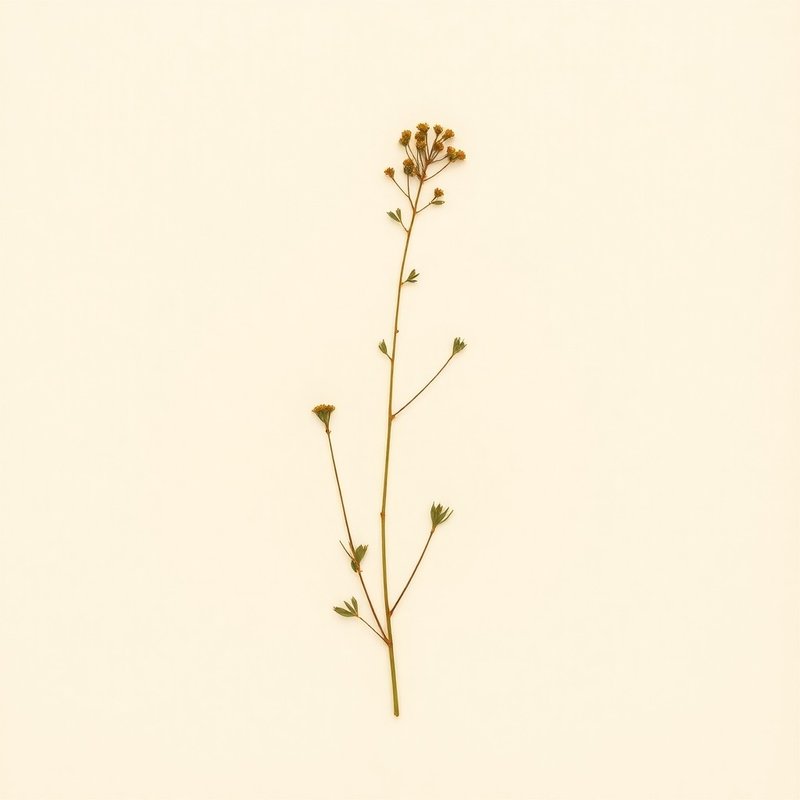
Pl. 505D — Myosoton aquaticum
Myosoton aquaticumMyosoton aquaticumMyosoton aquaticumMyosoton aquaticumMyosoton aquaticumMyosoton aquaticumMyosoton aquaticumMyosoton aquaticumMyosoton aquaticumMyosoton aquaticumMyosoton aquaticumMyosoton aquaticumMyosoton aquaticumMyosoton aquaticum
IOverview
Overview
Water Chickweed, scientifically known as Myosoton aquaticum, is a plant native to regions including Albania, Austria, Belarus, and Belgium. It thrives in moist, wet environments with light or partial sun exposure, growing up to 0.6 meters tall. This plant is both edible and ornamental, with its leaves being the parts used for consumption. Found across Europe, Asia, and parts of North Africa, Water Chickweed can be seen in various habitats such as forests, meadows, and along waterways. Its ability to grow in light, medium, or heavy soil types makes it adaptable to different conditions.
Quick answers
What is Water Chickweed?
Water Chickweed, scientifically known as Myosoton aquaticum, is a plant native to regions including Albania, Austria, Belarus, and Belgium. It thrives in moist, wet environments with light or partial sun exposure, growing up to 0.6 meters tall.
Growingconditions · propagation · uses
VCultivation
Cultivation
Water Chickweed thrives in full to partial sun and prefers moist to wet conditions, making it suitable for areas with consistent moisture. It grows well in light (sandy), medium, or heavy (clay) soil types. This plant can be either annual or perennial and reaches a height of about 0.6 meters. For propagation, seeds can be sown directly into the garden bed where they will grow, as it is not typically propagated by division. Harvest edible leaves for use in your culinary creations.
Light
Full sun, Partial sun/shade
Water
Moist, Wet, water
Soil
Light (sandy), Medium, Heavy (clay)
Life cycle
Annual, Perennial
Mature size
0.6 m tall
For first-time growers
How to grow Water Chickweed for the first time
7steps
Water Chickweed is a straightforward annual plant for beginners, thriving in moist conditions and partial sun.
- 1
What you'll need
Seeds or seedlings, a container with drainage holes if planting indoors.
- 2
Best time to plant
Plant seeds outdoors after the last frost, or start them indoors about 4 weeks before the last expected frost.
- 3
Soil and container prep
Use well-draining soil that is light (sandy), medium, or heavy (clay). Ensure containers are at least 30 cm deep.
- 4
Sowing or transplanting
Sow seeds 1-2 cm deep in moist soil. Space them about 15 cm apart for easy maintenance.
- 5
First two weeks
Keep the soil consistently moist and provide partial sun to full sun exposure.
- 6
Ongoing care
Water regularly, especially during dry spells, and mulch around plants to retain moisture. Fertilize sparingly with a balanced organic fertilizer.
- 7
Harvest or pruning
Prune the plant as needed to encourage bushy growth and remove any dead leaves.
VIEdible & utility
Edible & utility
Edible parts:Leaves
Edible uses: The leaves of Water Chickweed are edible and can be eaten raw or cooked. They are often added to salads for a mild flavor or steamed as a green vegetable. Skip the detailed preparation methods since specific cooking techniques were not provided in the data.
Contextrange · companions · related
VIIDistribution
30 native · 0 introduced
Distribution
30 native · 0 introducedDistribution across2 continents· 30 native
Europe14 regions
native (14)AlbaniaAustriaBelarusBelgiumBulgariaDenmarkFinlandFranceGermanyGreeceHungaryItalyRussiaUkraine
Asia6 regions
native (6)ChinaIndiaIranJapanKazakhstanSouth Korea
Broader regions
native:Altay, Baltic States, Czechoslovakia, Hainan, Krasnoyarsk
IXSpecimen gallery
1 image
Specimen gallery
1 imageXI
Explore further
Companion planting
XII
About this entry
- Last updated
- Citation
- How to cite this entry · Submit a correction
Back to the cataloguePlant id · 505dea90-dce8-4af8-a84a-5ff2f5fd7981
Decision aid
Choosing between Water Chickweed and something else?
Continue reading
❦❦❦❦
Endpaper · archive updates
Get archive updates
Occasional email when substantial new content lands — plant profiles, seasonal growing notes, folk-remedy additions. Free, no tracking, unsubscribe anytime.