
Skip to content
IIIFolio · plant profile№ 1F65edible
Data provenancePermapeopleTrefleWikipediaPFAFPOWOreviewed 18 Oct 2026methodology → read
Home/Plants/Haloragaceae

Water Milfoil

Myriophyllum spicatumfam. Haloragaceae
Educational content — not medical, botanical, or professional advice. Plant identification, safety, and edibility depend on local conditions, cultivars, and correct identification. Consult a qualified botanist or forager before consuming or handling wild specimens. How we source & review →
Updated·Quick Q&A →
Garden journal pausedUse profile notes below
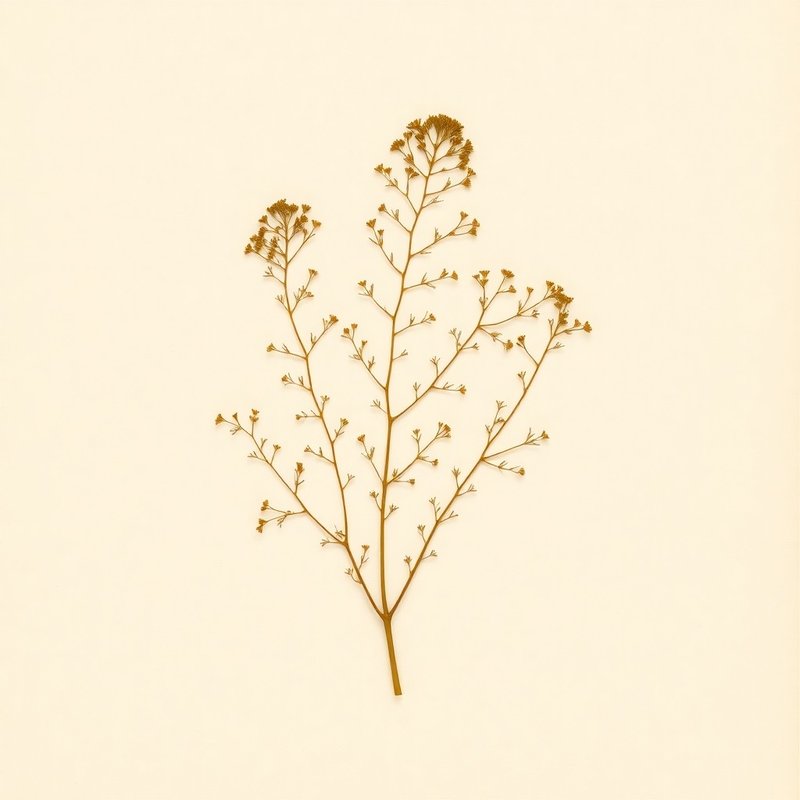
Myriophyllum spicatum (Water Milfoil) — botanical photograph
Pl. 1F65 — Myriophyllum spicatum
Myriophyllum spicatumMyriophyllum spicatumMyriophyllum spicatumMyriophyllum spicatumMyriophyllum spicatumMyriophyllum spicatumMyriophyllum spicatumMyriophyllum spicatumMyriophyllum spicatumMyriophyllum spicatumMyriophyllum spicatumMyriophyllum spicatumMyriophyllum spicatumMyriophyllum spicatum
I

Overview

Water Milfoil (Myriophyllum spicatum), a perennial forb or herb, is native to Angola and is known for its edible roots. This plant thrives in light, sandy to medium soil with a pH of 7.5–8, making it well-suited to environments with moderate moisture. It has a broad habitat range, including Angola, and can be found growing in various settings. While primarily recognized for its culinary uses, Water Milfoil also serves as an ornamental plant due to its distinctive feathery leaves and branching stems. Its light energy requirement of 6/10 indicates it prefers some shade but can tolerate full sun. The plant has a weed potential, so careful management is advised. The root of Water Milfoil is edible and can be eaten raw or cooked; it is typically prepared by boiling to enhance its flavor and texture. This plant is hardy in temperate regions with zones ranging from 5 to 9, making it suitable for cultivation in many parts of the world.

Quick answers

What is Water Milfoil?

Water Milfoil (Myriophyllum spicatum), a perennial forb or herb, is native to Angola and is known for its edible roots. This plant thrives in light, sandy to medium soil with a pH of 7.5–8, making it well-suited to environments with moderate moisture.

Growingconditions · propagation · uses
V

Cultivation

Water Milfoil thrives in light to medium soils and requires ample water, making it ideal for ponds or bog gardens. It prefers a neutral to slightly alkaline pH between 7.5 and 8. The plant is hardy in temperate regions with zones ranging from 5 to 9. For best results, provide full sun to partial shade. Propagate through root division in early spring. Harvest the edible roots for culinary use.
Light
6/10
Water
Water
Soil
Light (sandy), Medium
Hardiness
5-9
Life cycle
Perennial
Habit
Forb/herb
Soil pH
7.5–8
For first-time growers

How to grow Water Milfoil for the first time

8steps

Start with a simple water garden to grow Water Milfoil, focusing on basic care.

  1. 1

    What you'll need

    A container or pond, aquatic planting medium, and Water Milfoil plants.

  2. 2

    Best time to plant

    Plant in spring when water temperatures are above 50°F (10°C).

  3. 3

    Soil and container prep

    Use a container with at least 2 feet of water depth, filled with aquatic planting medium.

  4. 4

    Sowing or transplanting

    Transplant Water Milfoil directly into the prepared container, ensuring roots are covered.

  5. 5

    First two weeks

    Monitor water quality and ensure consistent light exposure. Keep the water clean and aerated.

  6. 6

    Ongoing care

    Provide partial shade to full sun, keep pH between 7.5–8, and trim back excess growth as needed.

  7. 7

    Harvest or pruning

    Prune any dead or overgrown parts to maintain the plant's health and appearance.

  8. 8

    Common mistakes

    Overcrowding, using too much fertilizer, and neglecting water quality are common issues.

VI

Edible & utility

Edible parts:Root
Edible uses: The root of Water Milfoil is edible and can be eaten raw or cooked. It is typically prepared by boiling to enhance its flavor and texture.
Contextrange · companions · related
VII

Distribution

102 native · 154 introduced
Distribution across4 continents· 102 native· 154 introduced
Europe48 regions
native (24)AlbaniaAustriaBelarusBelgiumBulgariaDenmarkFinlandFranceGermanyGreeceHungaryIrelandItalyNetherlandsNorwayPolandPortugalRomaniaRussiaSpainSwedenSwitzerlandUkraineUnited Kingdom
introduced (24)AlbaniaAustriaBelarusBelgiumBulgariaDenmarkFinlandFranceGermanyGreeceHungaryIrelandItalyNetherlandsNorwayPolandPortugalRomaniaRussiaSpainSwedenSwitzerlandUkraineUnited Kingdom
Asia33 regions
native (16)AfghanistanChinaIraqJapanKazakhstanNepalPakistanPalestinePhilippinesSaudi ArabiaSouth KoreaTurkeyTurkmenistanUzbekistanVietnamYemen
introduced (17)AfghanistanChinaGeorgiaIraqJapanKazakhstanNepalPakistanPalestinePhilippinesSaudi ArabiaSouth KoreaTurkeyTurkmenistanUzbekistanVietnamYemen
Americas1 region
introduced (1)United States
Africa29 regions
native (15)AlgeriaAngolaBotswanaCameroonEgyptEritreaEthiopiaMalawiMoroccoNamibiaSudanTanzaniaTunisiaZambiaZimbabwe
introduced (14)AlgeriaBotswanaCameroonEgyptEritreaEthiopiaMalawiMoroccoNamibiaSudanTanzaniaTunisiaZambiaZimbabwe
Broader regions
native:Aleutian Is., Altay, Baltic States, Cape Provinces, Czechoslovakia, East Aegean Is., East Himalaya, Free State, Hainan, Irkutsk, Khabarovsk, Kirgizstan, Krasnoyarsk, Kriti, Kuril Is., KwaZulu-Natal, Lebanon-Syria, Nansei-shoto, Northern Provinces, Primorye, Sakhalin, Sumatera, Tadzhikistan, Transcaucasus, Turkey-in-Europe, Tuva, West Himalaya, Yakutskiya, Yugoslavia
introduced:Alabama, Aleutian Is., Altay, Arizona, Arkansas, Baltic States, British Columbia, California, Cape Provinces, Colorado, Connecticut, Czechoslovakia, Delaware, District of Columbia, East Aegean Is., East Himalaya, Florida, Free State, Hainan, Idaho, Illinois, Indiana, Iowa, Irkutsk, Kansas, Kentucky, Khabarovsk, Kirgizstan, Krasnoyarsk, Kriti, Kuril Is., KwaZulu-Natal, Lebanon-Syria, Louisiana, Maine, Maryland, Masachusettes, Michigan, Minnesota, Mississippi, Missouri, Montana, Nansei-shoto, Nebraska, Nevada, New Brunswick, New Hampshire, New Jersey, New Mexico, New York, North Carolina, North Dakota, Northern Provinces, Ohio, Oklahoma, Ontario, Oregon, Pennsylvania, Primorye, Québec, Rhode I., Sakhalin, South Carolina, South Dakota, Sumatera, Tadzhikistan, Tennessee, Texas, Transcaucasus, Turkey-in-Europe, Tuva, Utah, Vermont, Virginia, Washington, West Himalaya, West Virginia, Wisconsin, Yakutskiya, Yugoslavia
IX

Specimen gallery

1 image
Myriophyllum spicatum (Water Milfoil) — botanical photograph
Water Milfoil (Myriophyllum spicatum)
XI

Explore further

XII

About this entry

Last updated
Citation
How to cite this entry · Submit a correction
Back to the cataloguePlant id · 1f65226b-0442-4529-bf65-20b0a982e1cb
Decision aid
Choosing between Water Milfoil and something else?
Compare with another plant

Continue reading

❦❦❦❦
Endpaper · archive updates

Get archive updates

Occasional email when substantial new content lands — plant profiles, seasonal growing notes, folk-remedy additions. Free, no tracking, unsubscribe anytime.

Newsletter returning soon.
We are rebuilding the update list around a lightweight editorial workflow. New dispatches will resume after the next content review cycle.
iCare notes