
Myriad Leaf
Myriophyllum verticillatum
Educational content — not medical, botanical, or professional advice. Plant identification, safety, and edibility depend on local conditions, cultivars, and correct identification. Consult a qualified botanist or forager before consuming or handling wild specimens. How we source & review →
Garden journal pausedUse profile notes below
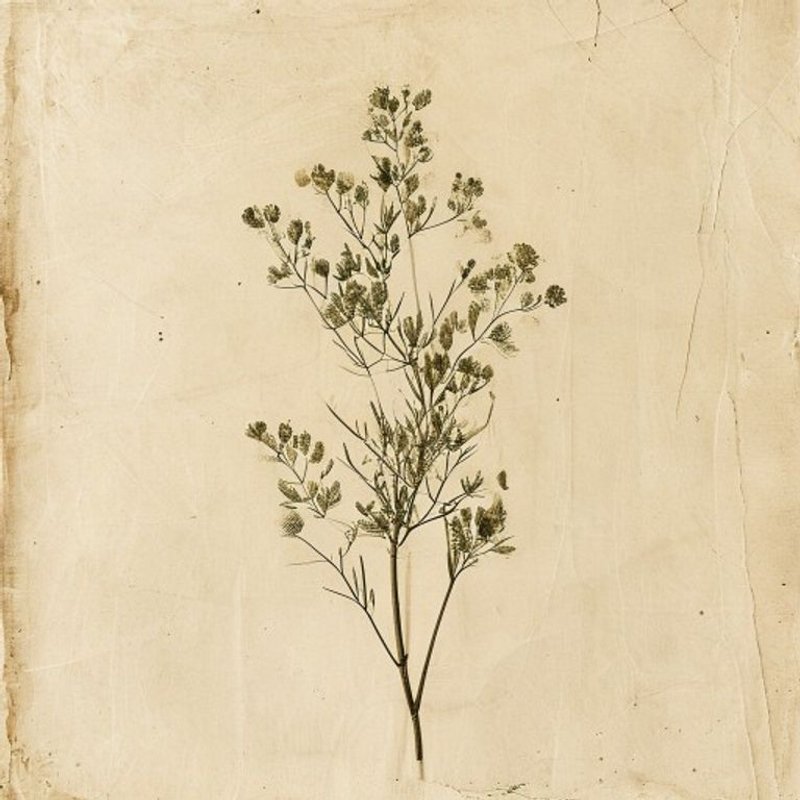
Pl. 8EC0 — Myriophyllum verticillatum
Myriophyllum verticillatumMyriophyllum verticillatumMyriophyllum verticillatumMyriophyllum verticillatumMyriophyllum verticillatumMyriophyllum verticillatumMyriophyllum verticillatumMyriophyllum verticillatumMyriophyllum verticillatumMyriophyllum verticillatumMyriophyllum verticillatumMyriophyllum verticillatumMyriophyllum verticillatumMyriophyllum verticillatum
IOverview
Overview
Myriad Leaf (Myriophyllum verticillatum) is a perennial herb that thrives across a wide range of regions including North America, Europe, and Asia. Native to Afghanistan, Alaska, Albania, Alberta, Algeria, and other locations from the Arctic to subtropical zones, this plant can be found in diverse habitats due to its adaptability. Myriad Leaf grows up to 1 meter tall and prefers light or medium soil with a pH between 7 and 7.5, making it suitable for various environmental conditions within hardiness zones 3-7. The leaves of the Myriad Leaf are edible and can be consumed raw or cooked. They are commonly used in salads or lightly steamed as side dishes and can also be dried to preserve their flavor and nutritional value. This plant is recognized not only for its culinary uses but also for its ornamental value, adding a distinctive presence wherever it grows. While Myriad Leaf does not have known medicinal properties, its widespread distribution and ability to grow in diverse environments make it an interesting addition to gardens and landscapes. Regular watering is recommended as the plant requires consistent moisture. Propagation can be achieved through root division or seed sowing.
Quick answers
What is Myriad Leaf?
Myriad Leaf (Myriophyllum verticillatum) is a perennial herb that thrives across a wide range of regions including North America, Europe, and Asia.
Growingconditions · propagation · uses
VCultivation
Cultivation
Myriad Leaf thrives in light to medium soil with a pH of 7-7.5 and prefers full sun to partial shade. It is hardy in temperate regions from zones 3 to 7, making it adaptable across many climates. Water the plant regularly as it requires consistent moisture. Propagate by dividing the roots or sowing seeds. Harvest its edible leaves for use. This perennial grows to about 1 meter tall and can be found naturally in Afghanistan, Alaska, Albania, Alberta, and other regions listed.
Light
7/10
Water
Water
Soil
Light (sandy), Medium
Hardiness
3-7
Life cycle
Perennial
Habit
Forb/herb
Mature size
1.0 m tall
Soil pH
7–7.5
For first-time growers
How to grow Myriad Leaf for the first time
7steps
Start with Myriad Leaf as a simple, low-maintenance addition to your garden.
- 1
What you'll need
A container or garden bed, quality potting soil, and Myriad Leaf plants.
- 2
Best time to plant
Plant in spring when the weather starts warming up.
- 3
Soil and container prep
Use a well-draining potting mix with a pH between 7-7.5 for containers or prepare garden beds with similar soil conditions.
- 4
Sowing or transplanting
Transplant young plants from nurseries into your prepared container or bed, spacing them about 1 meter apart.
- 5
First two weeks
Water regularly to keep the soil moist but not waterlogged. Monitor for any signs of stress or pests.
- 6
Ongoing care
Provide light shade and regular watering, especially during dry spells. Prune occasionally to maintain shape.
- 7
Harvest or pruning
Prune leaves as needed to keep the plant healthy and tidy. Avoid overpruning which can stress the plant.
VIEdible & utility
Edible & utility
Edible parts:Leaves
Edible uses: The Myriad Leaf plant is edible and its leaves can be consumed raw or cooked. Typically, the leaves are prepared fresh in salads or lightly steamed as a side dish. They can also be dried for later use, preserving their flavor and nutritional value.
Contextrange · companions · related
VIIDistribution
124 native · 0 introduced
Distribution
124 native · 0 introducedDistribution across4 continents· 124 native
Europe24 regions
native (24)AlbaniaAustriaBelarusBelgiumBulgariaDenmarkFinlandFranceGermanyGreeceHungaryIrelandItalyNetherlandsNorwayPolandPortugalRomaniaRussiaSpainSwedenSwitzerlandUkraineUnited Kingdom
Asia14 regions
native (14)AfghanistanChinaIranIraqJapanKazakhstanMongoliaPakistanPalestineSouth KoreaTaiwanTurkeyUzbekistanVietnam
Americas1 region
native (1)United States
Africa2 regions
native (2)AlgeriaMorocco
Broader regions
native:Alberta, Altay, Amur, Arizona, Baltic States, British Columbia, Buryatiya, California, Chita, Colorado, Connecticut, Czechoslovakia, Delaware, Hainan, Idaho, Illinois, Indiana, Iowa, Irkutsk, Kamchatka, Khabarovsk, Kirgizstan, Krasnoyarsk, Labrador, Magadan, Maine, Manitoba, Maryland, Masachusettes, Massachusetts, Michigan, Minnesota, Montana, Nebraska, Nevada, New Brunswick, New Hampshire, New Jersey, New Mexico, New York, Newfoundland, North Dakota, Northwest Territorie, Nova Scotia, Nunavut, Ohio, Ontario, Oregon, Pennsylvania, Primorye, Prince Edward I., Québec, Sakhalin, Saskatchewan, South Dakota, Tadzhikistan, Texas, Turkey-in-Europe, Tuva, Utah, Vermont, Washington, West Himalaya, Wisconsin, Wyoming, Yakutskiya, Yugoslavia, Yukon
IXSpecimen gallery
1 image
Specimen gallery
1 imageXI
Explore further
Companion planting
Growing zone
Native to
XII
About this entry
- Last updated
- Citation
- How to cite this entry · Submit a correction
Back to the cataloguePlant id · 8ec0d620-a448-414e-ba05-60dcb089d478
Decision aid
Choosing between Myriad Leaf and something else?
Continue reading
❦❦❦❦
Endpaper · archive updates
Get archive updates
Occasional email when substantial new content lands — plant profiles, seasonal growing notes, folk-remedy additions. Free, no tracking, unsubscribe anytime.
Newsletter returning soon.
We are rebuilding the update list around a lightweight editorial workflow. New dispatches will resume after the next content review cycle.