
Sweet Cicely
Myrrhis odorata
Educational content — not medical, botanical, or professional advice. Plant identification, safety, and edibility depend on local conditions, cultivars, and correct identification. Consult a qualified botanist or forager before consuming or handling wild specimens. How we source & review →
Garden journal pausedUse profile notes below
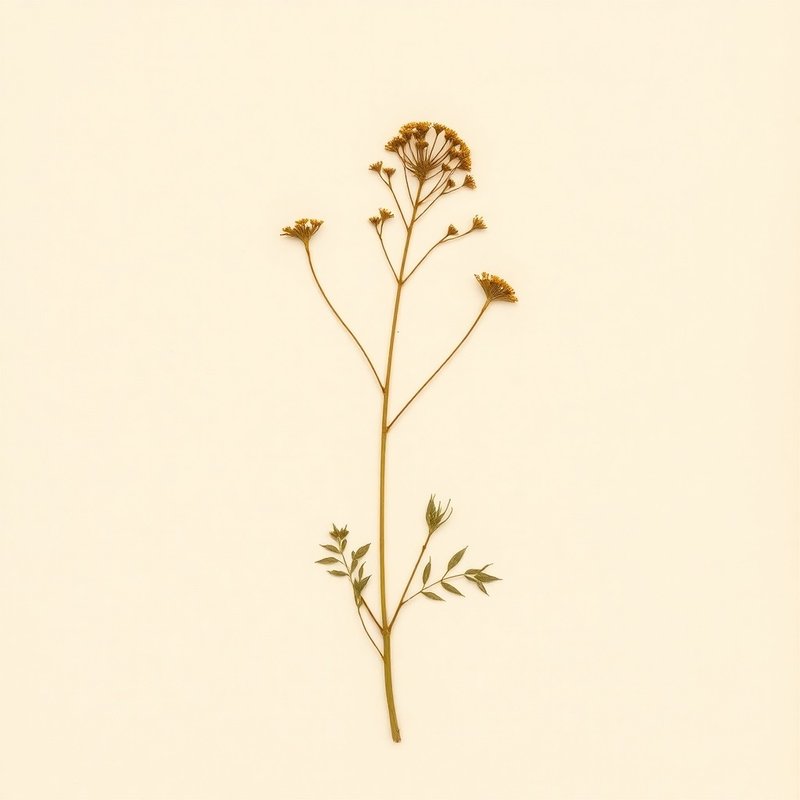
Pl. 2C64 — Myrrhis odorata
Myrrhis odorataMyrrhis odorataMyrrhis odorataMyrrhis odorataMyrrhis odorataMyrrhis odorataMyrrhis odorataMyrrhis odorataMyrrhis odorataMyrrhis odorataMyrrhis odorataMyrrhis odorataMyrrhis odorataMyrrhis odorata
IOverview
Overview
Sweet Cicely (Myrrhis odorata) is a perennial herb native to mountainous regions of Albania, Austria, France, Germany, Italy, Spain, Switzerland, and Yugoslavia. This plant is known for its sweet licorice-like scent, making it a delightful addition to gardens or as an ornamental feature. Sweet Cicely thrives in moist, light to heavy soil with a pH between 7 and 7.5, growing up to 1 meter tall. Its distinctive white flowers and aromatic foliage make it a popular choice for gardeners looking to add a fragrant element to their landscapes. Sweet Cicely is edible, with its leaves, roots, and seeds being used in culinary applications such as making tea or adding flavor to dishes. The plant can be found growing wild or cultivated across its native range and has been introduced into various regions including the Baltic States, Belgium, British Columbia, Central European Rus, Czechoslovakia, Denmark, Finland, Føroyar, Great Britain, Iceland, Ireland, Michigan, Netherlands, New York, Newfoundland, North Caucasus, Norway, Ontario, Oregon, Pennsylvania, Poland, Sweden, and Ukraine. Its cultivation is well-suited to temperate climates with hardiness zones 4-8. Sweet Cicely prefers partial shade to full sun and requires consistent moisture but should not be waterlogged. It can be propagated through division or seed sowing. While it is generally safe for ornamental use, caution should be exercised when handling the plant due to potential skin sensitivities.
Quick answers
What is Sweet Cicely?
Sweet Cicely (Myrrhis odorata) is a perennial herb native to mountainous regions of Albania, Austria, France, Germany, Italy, Spain, Switzerland, and Yugoslavia. This plant is known for its sweet licorice-like scent, making it a delightful addition to gardens or as an ornamental feature.
Growingconditions · propagation · uses
VCultivation
Cultivation
Sweet Cicely thrives in moist, well-drained soils with a pH of 7-7.5 and prefers light (sandy), medium, or heavy (clay) textures. It is hardy in temperate regions from zones 4 to 8. This perennial grows up to 1 meter tall and requires partial shade to full sun. For best results, propagate via division or seed sowing. Keep the soil consistently moist but not waterlogged, as it prefers a light watering regime. Skip harsh direct sunlight, especially in hot climates.
Light
8/10
Water
Moist
Soil
Light (sandy), Medium, Heavy (clay)
Hardiness
4-8
Life cycle
Perennial
Habit
Forb/herb
Mature size
1.0 m tall
Soil pH
7–7.5
For first-time growers
How to grow Sweet Cicely for the first time
8steps
Sweet Cicely is a rewarding perennial for beginners, but patience is key as it takes time to establish.
- 1
What you'll need
Seeds or young plants, a garden fork, and compost.
- 2
Best time to plant
Plant in spring after the last frost or in fall before the first freeze.
- 3
Soil and container prep
Choose a spot with moist, well-draining soil. Amend your soil with compost if needed.
- 4
Sowing or transplanting
Direct sow seeds 1 cm deep or plant young seedlings at 30 cm intervals.
- 5
First two weeks
Keep the soil consistently moist and mulch around the plants to retain moisture.
- 6
Ongoing care
Water regularly, especially during dry spells. Divide every 4-5 years to maintain vigor.
- 7
Harvest or pruning
Prune in late winter before new growth starts to encourage a bushy shape and prevent legginess.
- 8
Common mistakes
Overwatering, planting too close together, neglecting division, and not providing enough light.
VIEdible & utility
Edible & utility
Edible parts:LeavesRootSeed
Edible uses: Tea
Other uses:PolishFragrance
Contextrange · companions · related
VIIDistribution
8 native · 27 introduced
Distribution
8 native · 27 introducedDistribution across1 continent· 8 native· 27 introduced
Europe19 regions
native (7)AlbaniaAustriaFranceGermanyItalySpainSwitzerland
introduced (12)BelgiumDenmarkFinlandIcelandIrelandNetherlandsNorwayPolandRussiaSwedenUkraineUnited Kingdom
Broader regions
native:Yugoslavia
introduced:Baltic States, British Columbia, Czechoslovakia, Føroyar, Michigan, New York, Newfoundland, Nova Scotia, Ontario, Oregon, Pennsylvania
IXSpecimen gallery
1 image
Specimen gallery
1 imageXI
Explore further
XII
About this entry
- Last updated
- Citation
- How to cite this entry · Submit a correction
Back to the cataloguePlant id · 2c6461b7-8019-4db5-85e9-d52cfc75fdec
Decision aid
Choosing between Sweet Cicely and something else?
Continue reading
❦❦❦❦
Endpaper · archive updates
Get archive updates
Occasional email when substantial new content lands — plant profiles, seasonal growing notes, folk-remedy additions. Free, no tracking, unsubscribe anytime.
Newsletter returning soon.
We are rebuilding the update list around a lightweight editorial workflow. New dispatches will resume after the next content review cycle.