
Ricefield waternymph
Najas graminea
Educational content — not medical, botanical, or professional advice. Plant identification, safety, and edibility depend on local conditions, cultivars, and correct identification. Consult a qualified botanist or forager before consuming or handling wild specimens. How we source & review →
Garden journal pausedUse profile notes below
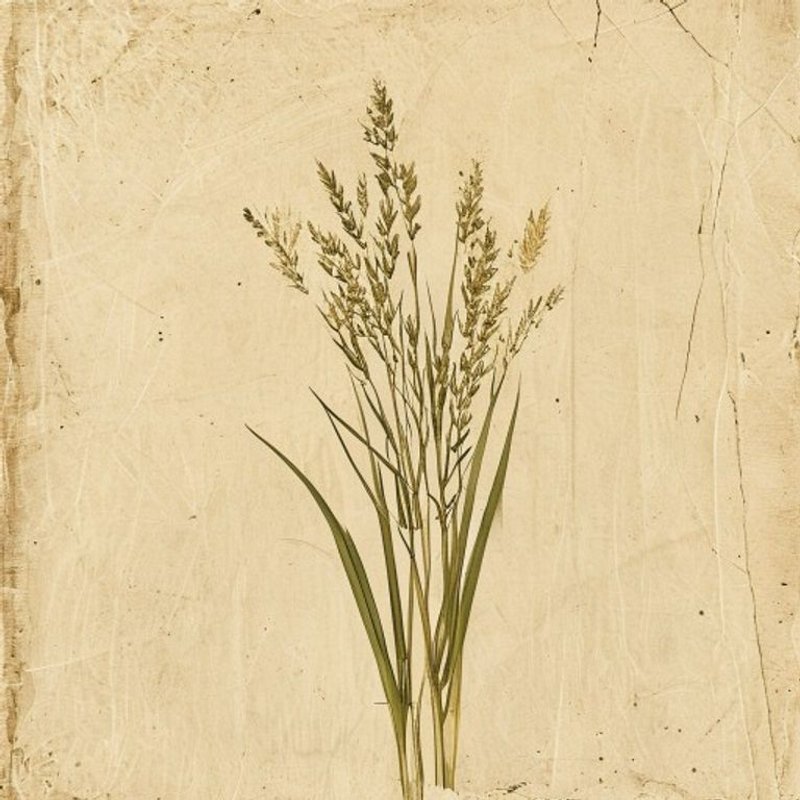
Pl. C868 — Najas graminea
Najas gramineaNajas gramineaNajas gramineaNajas gramineaNajas gramineaNajas gramineaNajas gramineaNajas gramineaNajas gramineaNajas gramineaNajas gramineaNajas gramineaNajas gramineaNajas graminea
IOverview
Overview
Ricefield waternymph (Najas graminea) is a perennial herb that thrives in a wide range of habitats across Asia and Africa, from Afghanistan to Vietnam and beyond. This adaptable plant can be found in regions such as Bangladesh, India, and China, where it is both edible and ornamental. The leaves of the ricefield waternymph are the primary edible part, often used in salads or as a side dish. It grows to a height of about 20 cm and is known for its light-loving nature, thriving in soils that are light (sandy), medium, or heavy (clay) with a pH between 7 and 7.5. Its hardiness range of 7 to 10 makes it suitable for temperate regions, though its exact hardiness zone is not specified. The plant is often seen in areas with a hardiness range of 7 to 10, and it can be propagated through seeds. Ricefield waternymph is commonly found in areas with a high atmospheric humidity of 9, making it well-suited to environments with ample water. It can be introduced into regions such as Bulgaria, California, Greece, Italy, Krym, Romania, and Spain, expanding its reach beyond its native range. While the plant is not known for medicinal uses, its edible leaves provide a nutritious addition to meals. Cultivation of this plant requires light conditions of 5/10, and it is best suited to environments with moderate water availability. Harvest the edible leaves as needed for a refreshing and versatile addition to your diet.
Quick answers
What is Ricefield waternymph?
Ricefield waternymph (Najas graminea) is a perennial herb that thrives in a wide range of habitats across Asia and Africa, from Afghanistan to Vietnam and beyond. This adaptable plant can be found in regions such as Bangladesh, India, and China, where it is both edible and ornamental.
Growingconditions · propagation · uses
VCultivation
Cultivation
Ricefield waternymph thrives in light to medium soil with a pH between 7 and 7.5, preferring sandy or clay conditions. It requires ample water and is hardy in temperate regions, though its exact zone isn't specified. This annual plant grows up to 0.2 meters tall and can be propagated through seeds. Ensure it receives moderate light for best growth. Harvest the edible leaves as needed.
Light
5/10
Water
Water
Soil
Light (sandy), Medium, Heavy (clay)
Hardiness
7-10
Life cycle
Annual
Habit
Forb/herb
Mature size
0.2 m tall
Soil pH
7–7.5
For first-time growers
How to grow Ricefield waternymph for the first time
8steps
Start with easy-to-grow Ricefield waternymph for a beginner-friendly experience.
- 1
What you'll need
Ricefield waternymph seeds or small plants, containers or soil for planting.
- 2
Best time to plant
Plant in spring when the weather starts warming up.
- 3
Soil and container prep
Use a pot with good drainage holes. Fill with light, medium, or heavy soil, ensuring it has a pH of 7-7.5.
- 4
Sowing or transplanting
Direct sow seeds in the soil or start them indoors and transplant once they have grown a bit.
- 5
First two weeks
Keep the soil consistently moist, providing plenty of water to help establish the plant.
- 6
Ongoing care
Water regularly but avoid overwatering. Keep an eye on light conditions and ensure it gets enough sunlight.
- 7
Harvest or pruning
Prune leaves as needed for maintenance, which can also encourage new growth.
- 8
Common mistakes
Overwatering, planting in unsuitable soil, not providing enough light, and neglecting to prune regularly.
VIEdible & utility
Edible & utility
Edible parts:Leaves
Edible uses: The ricefield waternymph's leaves are edible and can be eaten raw or cooked. They are typically prepared in salads or as a side dish.
Contextrange · companions · related
VIIDistribution
62 native · 7 introduced
Distribution
62 native · 7 introducedDistribution across4 continents· 62 native· 7 introduced
Europe6 regions
introduced (6)BulgariaGreeceItalyRomaniaSpainUkraine
Asia22 regions
native (22)AfghanistanBangladeshChinaIndiaIranIraqJapanKazakhstanMyanmarNepalOmanPakistanPalestinePhilippinesSouth KoreaSri LankaTaiwanThailandTurkeyUzbekistanVietnamYemen
Africa15 regions
native (15)AlgeriaBotswanaCameroonChadEgyptEthiopiaGambiaGuinea-BissauKenyaMaliMauritaniaRwandaSenegalSudanTanzania
Oceania1 region
native (1)New Caledonia
Broader regions
native:Aldabra, Central African Repu, Hainan, Jawa, Lebanon-Syria, Lesser Sunda Is., Malaya, Maluku, Nansei-shoto, New Guinea, Northern Provinces, Northern Territory, Socotra, South China Sea, Sulawesi, Sumatera, Tadzhikistan, Transcaucasus, Western Australia, Zaïre
introduced:California
IXSpecimen gallery
1 image
Specimen gallery
1 imageXI
Explore further
Companion planting
Growing zone
Native to
XII
About this entry
- Last updated
- Citation
- How to cite this entry · Submit a correction
Back to the cataloguePlant id · c8687c4e-650b-4473-86f9-933385466d11
Decision aid
Choosing between Ricefield waternymph and something else?
Continue reading
❦❦❦❦
Endpaper · archive updates
Get archive updates
Occasional email when substantial new content lands — plant profiles, seasonal growing notes, folk-remedy additions. Free, no tracking, unsubscribe anytime.
Newsletter returning soon.
We are rebuilding the update list around a lightweight editorial workflow. New dispatches will resume after the next content review cycle.