
Bunchflower Daffodil
Narcissus tazetta
Educational content — not medical, botanical, or professional advice. Plant identification, safety, and edibility depend on local conditions, cultivars, and correct identification. Consult a qualified botanist or forager before consuming or handling wild specimens. How we source & review →
Garden journal pausedUse profile notes below
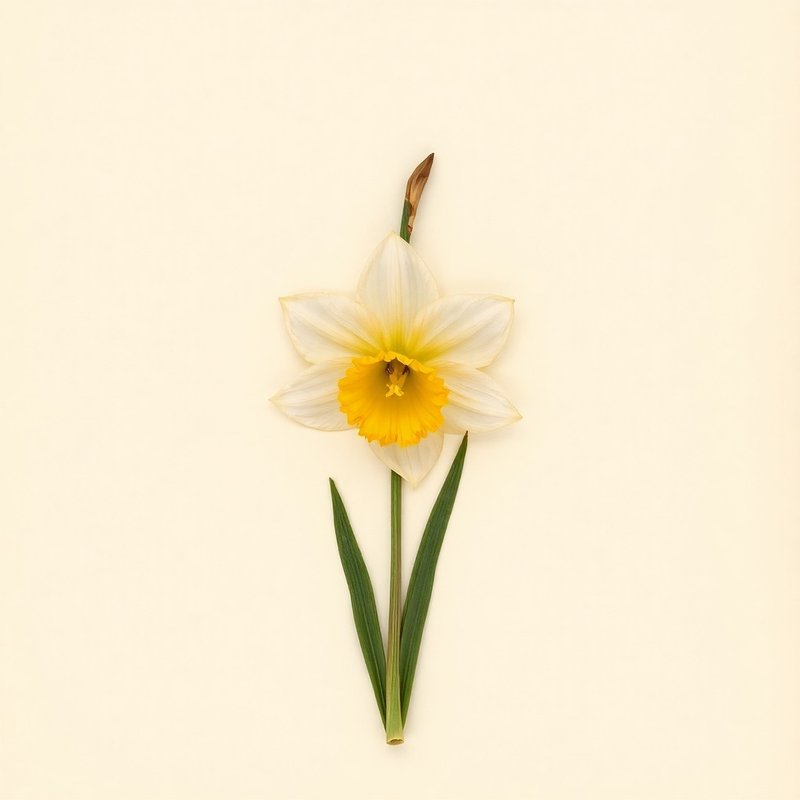
Pl. 175E — Narcissus tazetta
Narcissus tazettaNarcissus tazettaNarcissus tazettaNarcissus tazettaNarcissus tazettaNarcissus tazettaNarcissus tazettaNarcissus tazettaNarcissus tazettaNarcissus tazettaNarcissus tazettaNarcissus tazettaNarcissus tazettaNarcissus tazetta
IOverview
Overview
The Bunchflower Daffodil (Narcissus tazetta) is a member of the Amaryllidaceae family, native to a wide range of countries including Afghanistan, Albania, Algeria, and parts of China and Turkey. This daffodil thrives in regions with a diverse climate, making it adaptable to various growing conditions. It is known for its edible bulbs, which can be consumed after proper preparation, typically by cooking or drying, due to their strong flavor when eaten raw. The plant prefers moist conditions with light or medium soil types, thriving in pH levels between 6.5 and 7. It grows to about half a meter tall and is hardy in zones 7-10, making it a versatile addition to gardens or natural settings. The Bunchflower Daffodil is distinguished by its ability to form dense clusters, creating a visually striking display. It is often used in gardens for its ornamental value and can be found in regions such as Albania, Algeria, and parts of China and Turkey, as well as introduced into areas like Alabama, Arkansas, and California. This daffodil prefers full sun to partial shade for best growth and thrives in well-draining soils. While primarily used for its edible and ornamental qualities, the Bunchflower Daffodil can also be appreciated for its essential oil and fragrance, making it a valuable addition to both culinary and horticultural contexts.
Quick answers
What is Bunchflower Daffodil?
The Bunchflower Daffodil (Narcissus tazetta) is a member of the Amaryllidaceae family, native to a wide range of countries including Afghanistan, Albania, Algeria, and parts of China and Turkey. This daffodil thrives in regions with a diverse climate, making it adaptable to various growing conditions.
Growingconditions · propagation · uses
VCultivation
Cultivation
Bunchflower Daffodil thrives in light to medium moisture and prefers well-draining soils that are light (sandy), medium, or heavy (clay). It is hardy in temperate regions, with a range of 7-10 on the USDA Hardiness Zone scale. This daffodil requires full sun to partial shade for best growth. The edible bulb can be harvested after the plant has died back. Maintain soil pH between 6.5 and 7 for optimal health.
Light
8/10
Water
Moist
Soil
Light (sandy), Medium, Heavy (clay)
Hardiness
7-10
Habit
Forb/herb
Mature size
0.5 m tall
Soil pH
6.5–7
For first-time growers
How to grow Bunchflower Daffodil for the first time
8steps
Start with Bunchflower Daffodils to gain experience in bulb gardening.
- 1
What you'll need
Bulbs, a garden fork or trowel, compost, and mulch.
- 2
Best time to plant
Plant bulbs in autumn, about 6-8 weeks before the first frost.
- 3
Soil and container prep
Ensure soil is well-draining with a pH of 6.5–7. Amend heavy or clay soils with compost.
- 4
Sowing or transplanting
Plant bulbs 10-15 cm deep, spaced about 10-15 cm apart in the garden or container.
- 5
First two weeks
Water thoroughly after planting. Keep soil moist but not waterlogged during this period.
- 6
Ongoing care
Mulch around bulbs to retain moisture and suppress weeds. Fertilize lightly once growth appears.
- 7
Harvest or pruning
After flowers fade, cut back the flower stalks but leave the foliage until it yellows naturally for bulb health.
- 8
Common mistakes
Planting too shallow, overwatering, neglecting to mulch, and not allowing foliage to yellow before removal.
VIEdible & utility
Edible & utility
Edible parts:Bulb
Edible uses: The Bunchflower Daffodil (Narcissus tazetta) is edible and its bulb can be consumed. Typically, the bulbs are prepared by cooking or drying before eating. They are not commonly eaten raw due to their strong flavor.
Other uses:Essential OilFragrance
Contextrange · companions · related
VIIDistribution
30 native · 26 introduced
Distribution
30 native · 26 introducedDistribution across3 continents· 30 native· 26 introduced
Europe7 regions
native (6)AlbaniaCyprusFranceGreeceItalySpain
introduced (1)Portugal
Asia10 regions
native (9)AfghanistanChinaIranIraqJapanPalestineTurkeyTurkmenistanUzbekistan
introduced (1)South Korea
Africa5 regions
native (5)AlgeriaEgyptLibyaMoroccoTunisia
Broader regions
native:East Aegean Is., Kriti, Lebanon-Syria, Sinai, Yugoslavia
introduced:Alabama, Arkansas, Bermuda, California, Florida, Louisiana, Mexico Central, Mississippi, New Zealand North, New Zealand South, Norfolk Is., North Carolina, Oregon, South Australia, South Carolina, Tadzhikistan, Tasmania, Texas, Transcaucasus, Turkey-in-Europe, Virginia, West Himalaya, Western Australia
IXSpecimen gallery
1 image
Specimen gallery
1 imageXI
Explore further
Companion planting
Growing zone
Native to
XII
About this entry
- Last updated
- Citation
- How to cite this entry · Submit a correction
Back to the cataloguePlant id · 175eefb7-4d6d-4511-b8e1-698f87665578
Decision aid
Choosing between Bunchflower Daffodil and something else?
Continue reading
❦❦❦❦
Endpaper · archive updates
Get archive updates
Occasional email when substantial new content lands — plant profiles, seasonal growing notes, folk-remedy additions. Free, no tracking, unsubscribe anytime.
Newsletter returning soon.
We are rebuilding the update list around a lightweight editorial workflow. New dispatches will resume after the next content review cycle.