
Sacred Water Lotus
Nelumbo nucifera
Educational content — not medical, botanical, or professional advice. Plant identification, safety, and edibility depend on local conditions, cultivars, and correct identification. Consult a qualified botanist or forager before consuming or handling wild specimens. How we source & review →
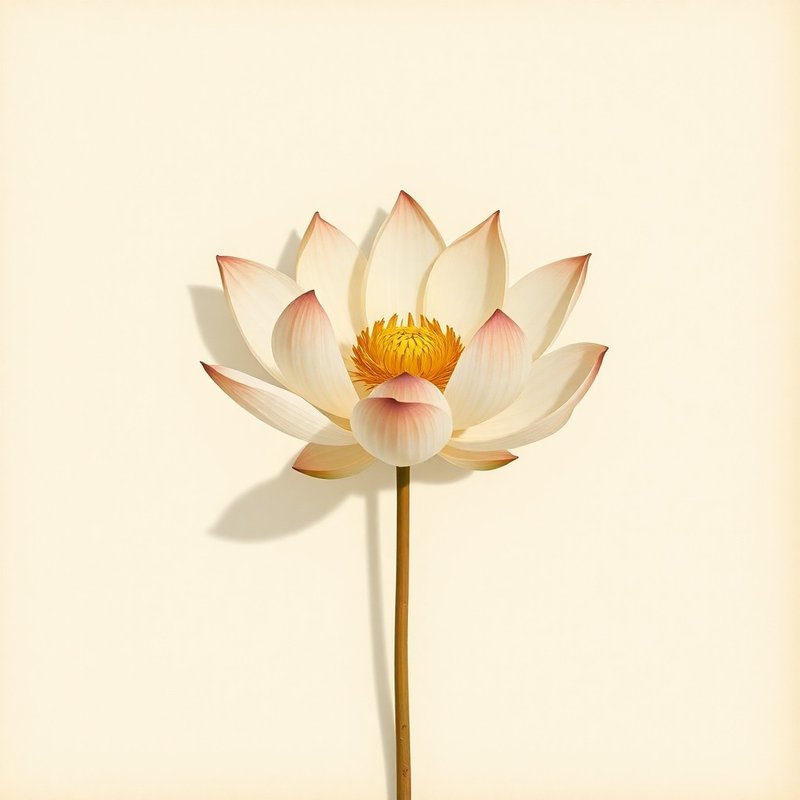
Pl. DFB7 — Nelumbo nucifera
Nelumbo nuciferaNelumbo nuciferaNelumbo nuciferaNelumbo nuciferaNelumbo nuciferaNelumbo nuciferaNelumbo nuciferaNelumbo nuciferaNelumbo nuciferaNelumbo nuciferaNelumbo nuciferaNelumbo nuciferaNelumbo nuciferaNelumbo nucifera
IOverview
Overview
Sacred Water Lotus (Nelumbo nucifera) is a perennial aquatic plant native to the wetlands of East Asia and Southeast Asia, including regions like Amur, Assam, Bangladesh, Cambodia, China, India, and Vietnam. This plant is known for its ornamental value as well as its edible parts, which include flowers, leaves, roots, seeds, and stems. It thrives in light to medium soil types, from sandy to clay-heavy conditions, with a hardiness range of 4-8. Sacred Water Lotus can grow up to 1 meter tall and is commonly found in habitats such as Amur, Assam, Bangladesh, Cambodia, China North-Central, China South-Central, China Southeast, East Himalaya, Hainan, India, Iran, Japan, Jawa, Korea, Laos, Lesser Sunda Islands, Malaya, Manchuria, Myanmar, Nepal, New Guinea, North Caucasus, Northern Territory, Pakistan, Philippines, Primorye, Queensland, South European Russi, Sri Lanka, Thailand, Transcaucasus, Ukraine, and Vietnam. Its distinctive feature is its large, floating leaves and striking flowers that often appear in vibrant colors like pink or white.
Quick answers
What is Sacred Water Lotus?
Sacred Water Lotus (Nelumbo nucifera) is a perennial aquatic plant native to the wetlands of East Asia and Southeast Asia, including regions like Amur, Assam, Bangladesh, Cambodia, China, India, and Vietnam.
Growingconditions · propagation · uses
VCultivation
Cultivation
Sacred Water Lotus thrives in light to medium soil types and prefers a sandy or clay environment. It requires ample water for cultivation, making it ideal for ponds or large water features. The plant is hardy in temperate regions with zones 4-8, but its native range spans across Asia and parts of Europe and Australia, indicating adaptability within these conditions. For best growth, provide full sun to partial shade. Regular watering is essential; however, ensure the soil remains moist rather than waterlogged. Propagation can be done through seeds or division of tubers in early spring.
Light
8/10
Water
Water
Soil
Light (sandy), Medium, Heavy (clay)
Hardiness
4-8
Life cycle
Perennial
Habit
Forb/herb
Mature size
1.0 m tall
For first-time growers
How to grow Sacred Water Lotus for the first time
8steps
Start with a simple water garden to grow Sacred Water Lotus as a beginner.
- 1
What you'll need
A large container, aquatic plant fertilizer, and some Sacred Water Lotus rhizomes.
- 2
Best time to plant
Plant in spring when the water temperature is above 68°F (20°C).
- 3
Soil and container prep
Use a container at least 30 cm deep with a mix of loam, sand, and clay soil. Ensure good drainage.
- 4
Sowing or transplanting
Place the rhizomes horizontally on the soil surface, covering them lightly with about 2.5 cm of soil.
- 5
First two weeks
Keep the water level low to prevent rotting and ensure the plant establishes roots.
- 6
Ongoing care
Maintain a consistent water depth (30-90 cm) and fertilize every 4-6 weeks. Remove dead leaves and flowers regularly.
- 7
Harvest or pruning
Prune stems to maintain shape, remove spent blooms, and harvest edible parts as needed.
- 8
Common mistakes
Over-fertilizing, planting too deep, not providing enough water depth, neglecting to prune, and using unsuitable containers.
VIEdible & utility
Edible & utility
Edible parts:FlowersLeavesRootSeedStem
Edible uses: Coffee
Other uses:Fragrance
Contextrange · companions · related
VIIDistribution
30 native · 0 introduced
Distribution
30 native · 0 introducedDistribution across2 continents· 30 native
Europe1 region
native (1)Russia
Asia13 regions
native (13)CambodiaChinaIndiaIranJapanLaosMyanmarNepalPakistanPhilippinesSouth KoreaSri LankaThailand
Broader regions
native:Northern Territory, Primorye, Malaya, New Guinea, Queensland, Amur, East Himalaya, Hainan, Jawa, Khabarovsk, Lesser Sunda Is.
IXSpecimen gallery
1 image
Specimen gallery
1 imageXI
Explore further
Companion planting
Growing zone
XII
About this entry
- Last updated
- Citation
- How to cite this entry · Submit a correction
Back to the cataloguePlant id · dfb70ed4-89fa-44d0-aec3-023cc4297b73
Decision aid
Choosing between Sacred Water Lotus and something else?
Continue reading
❦❦❦❦
Endpaper · archive updates
Get archive updates
Occasional email when substantial new content lands — plant profiles, seasonal growing notes, folk-remedy additions. Free, no tracking, unsubscribe anytime.