
Nertera ciliata
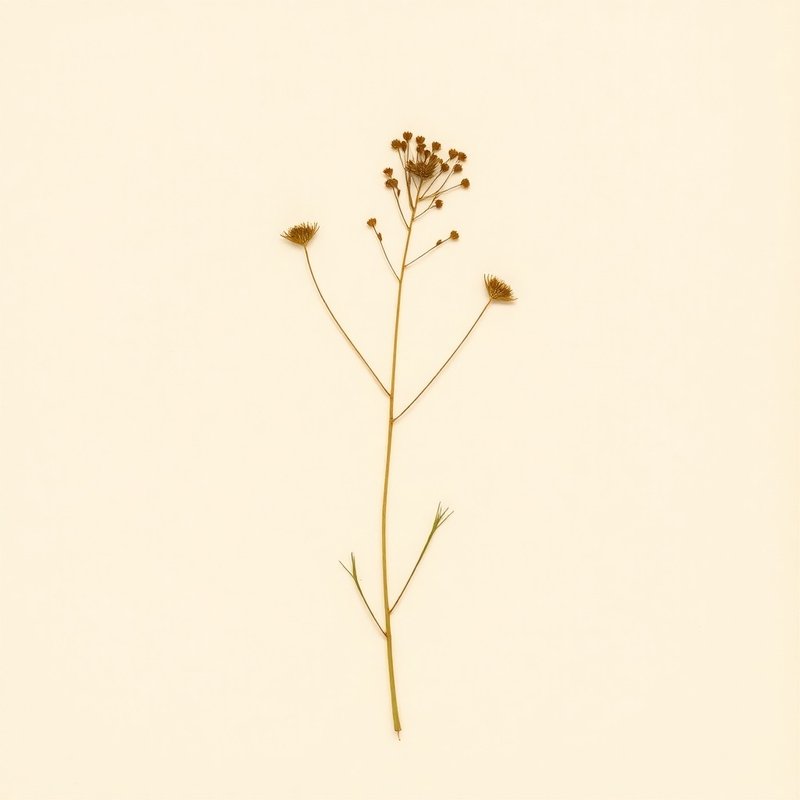
IOverview
Overview
Nertera ciliata, known simply as Nertera ciliata, is a small perennial plant native to the North and South Islands of New Zealand. Thriving in partial sun or shade with moist conditions, this plant prefers light (sandy) and medium soils. Hardy from zones 8-11, Nertera ciliata is an edible plant, with its fruit being both enjoyable raw and versatile in various culinary preparations. The fruit, the only edible part of the plant, can be directly enjoyed from the garden or incorporated into dishes as desired. This compact perennial, typically reaching only 10 cm in height, makes it an ideal choice for small spaces or container gardening. While not medicinal, its edible nature and ornamental appeal make it a valuable addition to gardens in its native range and beyond.
What is Nertera ciliata?
Nertera ciliata, known simply as Nertera ciliata, is a small perennial plant native to the North and South Islands of New Zealand. Thriving in partial sun or shade with moist conditions, this plant prefers light (sandy) and medium soils.
VCultivation
Cultivation
How to grow Nertera ciliata for the first time
Start with Skip by providing it the right conditions and basic care.
- 1
What you'll need
Skip plant, pot or garden space, well-draining soil.
- 2
Best time to plant
Plant in spring when temperatures are mild.
- 3
Soil and container prep
Use light, sandy soil with good drainage. Ensure containers have holes for water to escape.
- 4
Sowing or transplanting
Transplant Skip from a nursery pot into your prepared garden bed or larger container.
- 5
First two weeks
Water regularly to keep the soil moist but not soggy. Place in partial sun or shade.
- 6
Ongoing care
Provide light, sandy soil and regular watering. Fertilize sparingly with a balanced fertilizer.
- 7
Harvest or pruning
Prune lightly to maintain shape. Harvest fruit when ripe for use in cooking.
- 8
Common mistakes
Overwatering, planting in heavy soil, neglecting partial shade.
VIEdible & utility
Edible & utility
VIIDistribution
2 native · 0 introduced
Distribution
2 native · 0 introducedIXSpecimen gallery
1 image
Specimen gallery
1 imageExplore further
About this entry
- Last updated
- Citation
- How to cite this entry · Submit a correction
Continue reading
Get archive updates
Occasional email when substantial new content lands — plant profiles, seasonal growing notes, folk-remedy additions. Free, no tracking, unsubscribe anytime.