
Skip to content
IIIFolio · plant profile№ E1A2edible
Data provenancePermapeopleTreflePFAFPOWOreviewed 7 Jul 2026methodology → read

Nertera cunninghamii
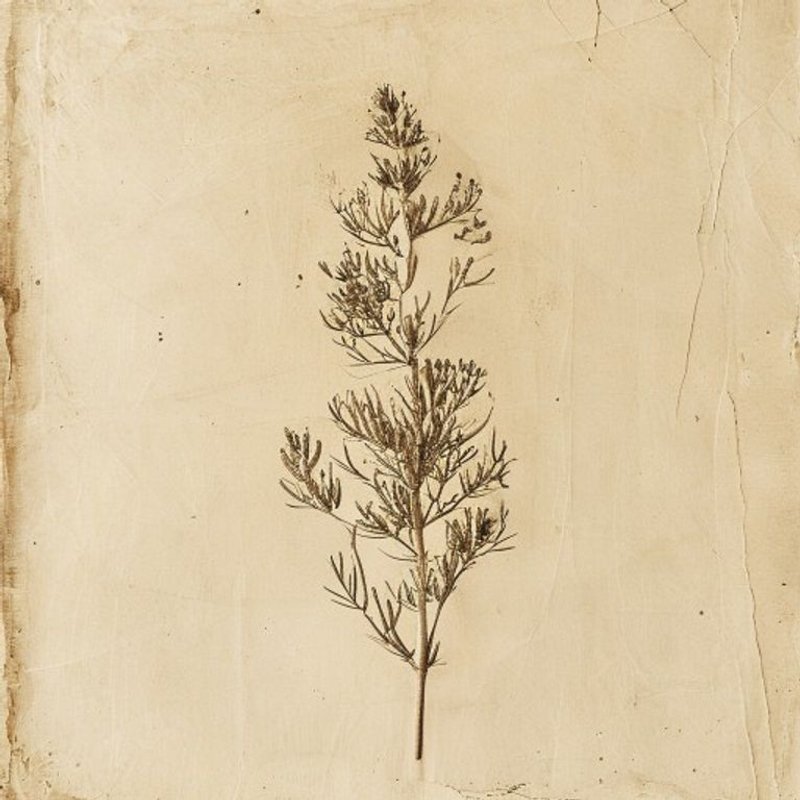
Nertera cunninghamii
Educational content — not medical, botanical, or professional advice. Plant identification, safety, and edibility depend on local conditions, cultivars, and correct identification. Consult a qualified botanist or forager before consuming or handling wild specimens. How we source & review →
edibleperennialedibleedible fruitnative australiaperennialshade tolerant
Updated·Quick Q&A →
Garden journal pausedUse profile notes below
Nertera cunninghamii (Nertera cunninghamii) — botanical photograph
Pl. E1A2 — Nertera cunninghamii
Nertera cunninghamiiNertera cunninghamiiNertera cunninghamiiNertera cunninghamiiNertera cunninghamiiNertera cunninghamiiNertera cunninghamiiNertera cunninghamiiNertera cunninghamiiNertera cunninghamiiNertera cunninghamiiNertera cunninghamiiNertera cunninghamiiNertera cunninghamii
I

Overview

Nertera cunninghamii, known as Skip, is a small, evergreen perennial native to the forests of New Zealand North and South Islands. This plant thrives in partial sun or shade with moist, light (sandy) to medium soil, making it adaptable but preferring environments with moderate moisture. It grows to only about 10 cm tall, contributing to its ornamental appeal as a low-maintenance ground cover. Skip is notable for its edible fruit and its ability to grow in hardiness zones 8-11, making it suitable for gardens in similar climates.

Quick answers

What is Nertera cunninghamii?

Nertera cunninghamii, known as Skip, is a small, evergreen perennial native to the forests of New Zealand North and South Islands. This plant thrives in partial sun or shade with moist, light (sandy) to medium soil, making it adaptable but preferring environments with moderate moisture.

Growingconditions · propagation · uses
V

Cultivation

Nertera cunninghamii thrives in partial sun to shade and requires moist, well-draining soil that is light (sandy) or medium. It is hardy in zones 8-11 and grows as a perennial, reaching a height of about 0.1 meters. For optimal growth, keep the soil consistently moist while ensuring good drainage. Propagate through seeds or cuttings. The fruit is edible, making this plant both ornamental and useful for its culinary potential.
Light
Partial sun/shade
Water
Moist
Soil
Light (sandy), Medium
Hardiness
8-11
Life cycle
Perennial
Mature size
0.1 m tall
For first-time growers

How to grow Nertera cunninghamii for the first time

8steps

Skip is a low-maintenance plant for beginners, focusing on basic care and light requirements.

  1. 1

    What you'll need

    A small pot or garden bed, quality soil, and some compost.

  2. 2

    Best time to plant

    Plant Skip in spring when the last frost has passed.

  3. 3

    Soil and container prep

    Use a well-draining mix with light sand and medium moisture retention.

  4. 4

    Sowing or transplanting

    Transplant Skip from its nursery pot into your garden bed or larger pot.

  5. 5

    First two weeks

    Water regularly to keep the soil moist but not waterlogged. Place in partial shade.

  6. 6

    Ongoing care

    Ensure it gets light shade and regular watering, especially during dry spells.

  7. 7

    Harvest or pruning

    Prune lightly to maintain shape and remove any dead leaves as needed.

  8. 8

    Common mistakes

    Overwatering, placing in full sun, neglecting to prune, using heavy soil, and not providing enough shade.

VI

Edible & utility

Edible parts:Fruit
Edible uses: The fruit of Nertera cunninghamii is edible and can be eaten raw or used in various preparations. It is often consumed fresh but can also be incorporated into jams or other preserves due to its sweet flavor.
Contextrange · companions · related
VII

Distribution

2 native · 0 introduced
Distribution across0 continents· 2 native
Broader regions
native:New Zealand North, New Zealand South
IX

Specimen gallery

1 image
Nertera cunninghamii (Nertera cunninghamii) — botanical photograph
Nertera cunninghamii (Nertera cunninghamii)
XI

Explore further

XII

About this entry

Last updated
Citation
How to cite this entry · Submit a correction
Back to the cataloguePlant id · e1a2af4d-b8a0-45fb-8bae-a009a6de00a4
❦❦❦❦
Endpaper · archive updates

Get archive updates

Occasional email when substantial new content lands — plant profiles, seasonal growing notes, folk-remedy additions. Free, no tracking, unsubscribe anytime.

Newsletter returning soon.
We are rebuilding the update list around a lightweight editorial workflow. New dispatches will resume after the next content review cycle.
iCare notes