
Bead Plant
Nertera granadensis
Educational content — not medical, botanical, or professional advice. Plant identification, safety, and edibility depend on local conditions, cultivars, and correct identification. Consult a qualified botanist or forager before consuming or handling wild specimens. How we source & review →
Garden journal pausedUse profile notes below
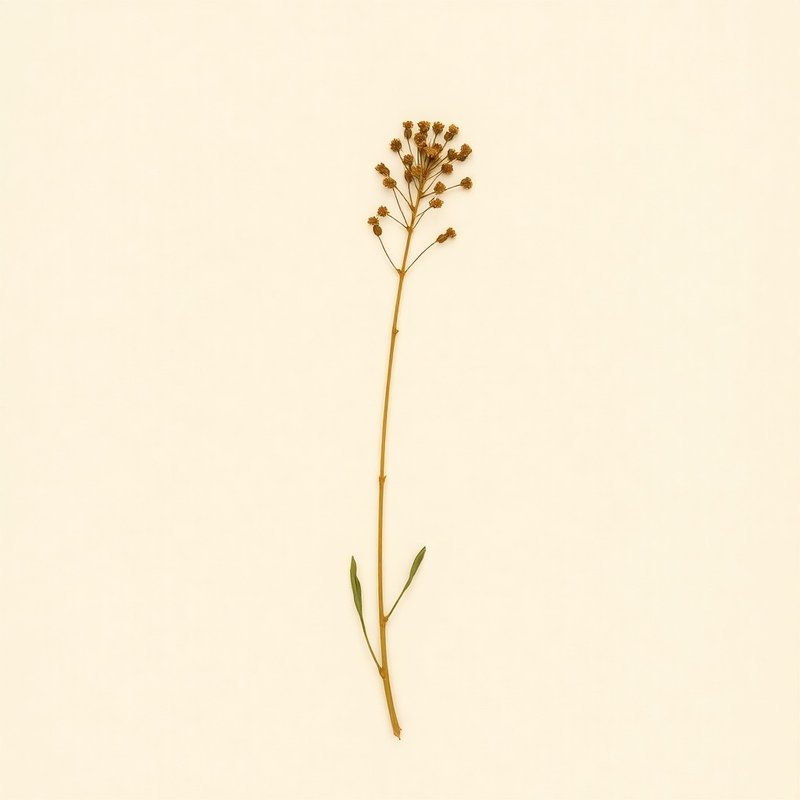
Pl. DAFE — Nertera granadensis
Nertera granadensisNertera granadensisNertera granadensisNertera granadensisNertera granadensisNertera granadensisNertera granadensisNertera granadensisNertera granadensisNertera granadensisNertera granadensisNertera granadensisNertera granadensisNertera granadensis
IOverview
Overview
Bead Plant (Nertera granadensis) is a perennial shrub native to diverse regions including South America, Central America, Southeast Asia, and Oceania. This plant thrives in partial sun or shade with moist, well-drained soil that is light or medium in texture, making it adaptable to various growing conditions. It can tolerate temperatures down to USDA Hardiness Zone 8 and prefers a humid environment. The fruit of the Bead Plant is edible and can be eaten raw or used in various preparations; typically, the fruit is consumed fresh but may also be dried for later use. Its distinctive appearance—often described as resembling small beads—adds an interesting visual element to gardens and landscapes. Bead Plant's native range spans numerous countries such as Argentina South, Chile Central, Colombia, Costa Rica, Cuba, Ecuador, El Salvador, Japan, Madagascar, Mexico, New Zealand, Peru, Philippines, Samoa, Taiwan, Venezuela, and many others. It is known for its ornamental value due to its unique fruit clusters, which can be a striking addition to any garden or landscape design. For cultivation, Bead Plant thrives in partial sun to shade with moist, well-draining soil that is light (sandy) or medium in texture. It prefers a humid environment and can tolerate temperatures down to Zone 8. Propagation can occur through seeds or cuttings. To ensure optimal growth, maintain consistently moist soil but avoid overwatering to prevent root rot. While the Bead Plant's fruit is edible, it is important to note that consumption should be done with caution as no specific medicinal uses have been documented. Enjoy its ornamental and edible qualities while maintaining a partially shaded environment and well-draining soil conditions for best results.
Quick answers
What is Bead Plant?
Bead Plant (Nertera granadensis) is a perennial shrub native to diverse regions including South America, Central America, Southeast Asia, and Oceania. This plant thrives in partial sun or shade with moist, well-drained soil that is light or medium in texture, making it adaptable to various growing conditions.
Growingconditions · propagation · uses
VCultivation
Cultivation
Bead Plant thrives in partial sun to shade and prefers moist, well-draining soil that is light (sandy) or medium. It is hardy in zones 8-11, making it suitable for temperate regions. Propagate through seeds or cuttings. For best results, keep the soil consistently moist but avoid overwatering. Enjoy its edible fruit while maintaining a partially shaded environment and well-draining soil conditions.
Light
Partial sun/shade
Water
Moist
Soil
Light (sandy), Medium
Hardiness
8-11
Life cycle
Perennial
For first-time growers
How to grow Bead Plant for the first time
8steps
Start with a simple setup to grow Bead Plant, focusing on basic care and maintenance.
- 1
What you'll need
A small pot, well-draining soil, and the Bead Plant seedling or cutting.
- 2
Best time to plant
Plant in spring when temperatures are mild and stable.
- 3
Soil and container prep
Use a light, sandy mix and ensure the pot has drainage holes.
- 4
Sowing or transplanting
Transplant from a nursery pot to your prepared container gently.
- 5
First two weeks
Keep the soil moist but not soggy. Place in partial shade.
- 6
Ongoing care
Water when the top inch of soil feels dry, and provide light shade.
- 7
Harvest or pruning
Prune to maintain shape and remove dead leaves as needed.
- 8
Common mistakes
Overwatering, placing in full sun, using heavy soil
VIEdible & utility
Edible & utility
Edible parts:Fruit
Edible uses: The bead plant's fruit is edible and can be eaten raw or used in various preparations. Typically, the fruit is consumed fresh but may also be dried for later use. Skip any cooking processes as the fruit maintains its flavor best when enjoyed uncooked.
Contextrange · companions · related
VIIDistribution
51 native · 0 introduced
Distribution
51 native · 0 introducedDistribution across4 continents· 51 native
Asia4 regions
native (4)JapanPhilippinesTaiwanVietnam
Americas15 regions
native (15)BoliviaColombiaCosta RicaCubaDominican RepublicEcuadorEl SalvadorGuatemalaHaitiHondurasJamaicaNicaraguaPeruUnited StatesVenezuela
Africa1 region
native (1)Madagascar
Oceania2 regions
native (2)SamoaVanuatu
Broader regions
native:Antipodean Is., Argentina South, Bismarck Archipelago, Borneo, Chile Central, Chile South, Falkland Is., Jawa, Juan Fernández Is., Malaya, Maluku, Mexico Central, Mexico Gulf, Mexico Northeast, Mexico Southeast, Mexico Southwest, New Guinea, New South Wales, New Zealand North, New Zealand South, Panamá, Society Is., South Australia, South Sandwich Is., Sulawesi, Sumatera, Tasmania, Tristan da Cunha, Victoria
VIIIGarden companions
1 pair
Garden companions
1 pairPlant near these
These plants help — by repelling pests, fixing nitrogen, attracting pollinators, or sharing space well.
IXSpecimen gallery
1 image
Specimen gallery
1 imageXI
Explore further
Companion planting
Growing zone
XII
About this entry
- Last updated
- Citation
- How to cite this entry · Submit a correction
Back to the cataloguePlant id · dafeae30-8f55-4ef4-9a68-9bb5e8ed658d
Decision aid
Choosing between Bead Plant and something else?
Continue reading
❦❦❦❦
Endpaper · archive updates
Get archive updates
Occasional email when substantial new content lands — plant profiles, seasonal growing notes, folk-remedy additions. Free, no tracking, unsubscribe anytime.
Newsletter returning soon.
We are rebuilding the update list around a lightweight editorial workflow. New dispatches will resume after the next content review cycle.