
Love-In-A-Mist
IOverview
Overview
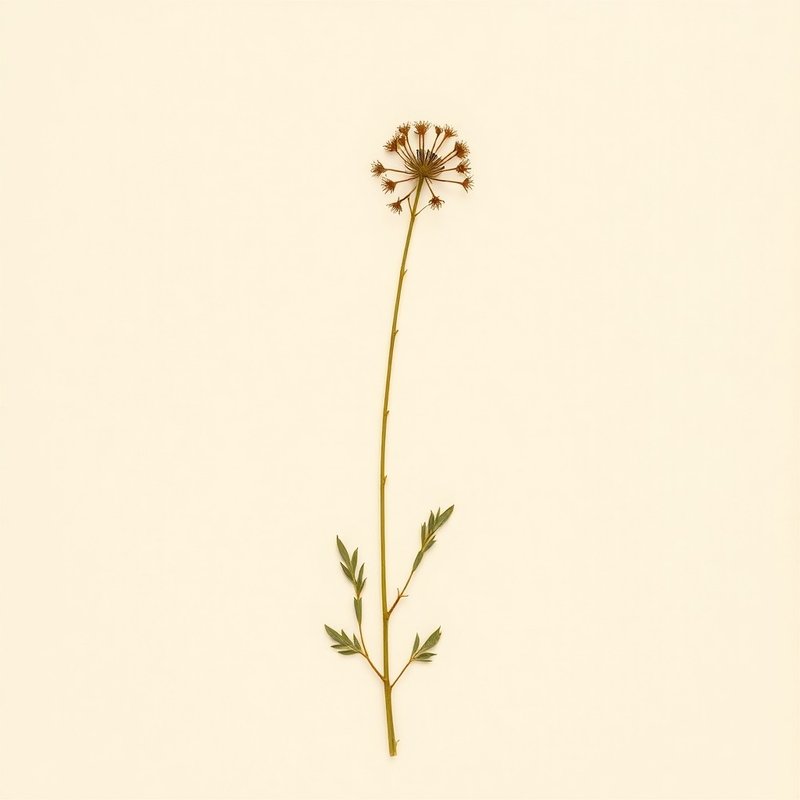
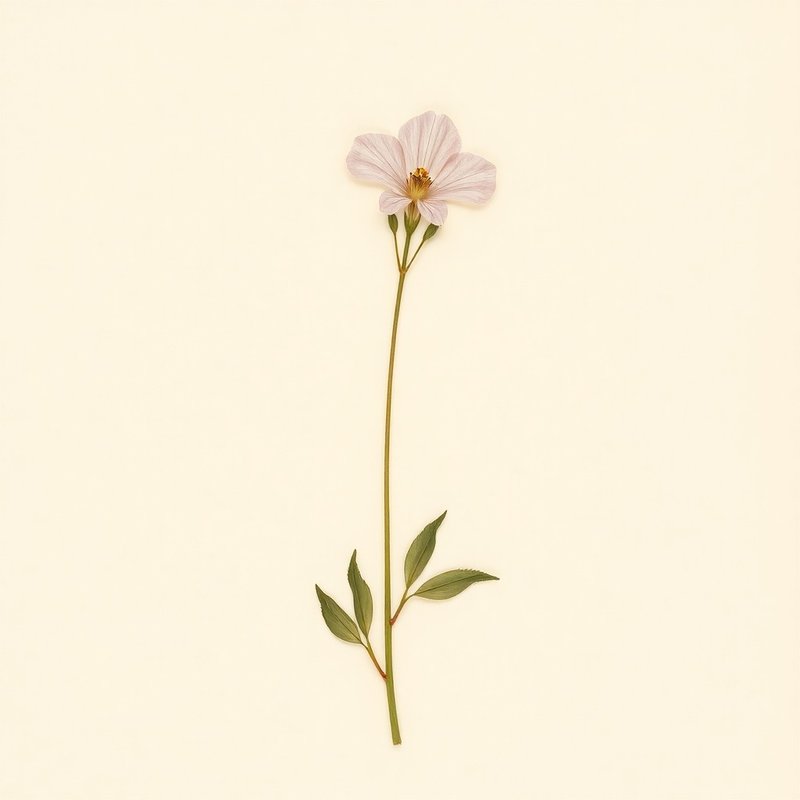
Love-In-A-Mist (Nigella damascena) is an annual herb that thrives in full sun and can tolerate a range of soil types from light sandy to heavy clay, though it prefers dry to moist conditions. Native to regions including Albania, Bulgaria, and parts of the Mediterranean, this plant has been cultivated for its edible seeds and ornamental value. Its distinctive feature lies in its delicate, lacy foliage and clusters of small, blue or white flowers that give way to seedpods resembling tiny lanterns. Love-In-A-Mist is often grown for its culinary use, where the seeds are used as a flavoring in breads and pastries.
What is Love-In-A-Mist?
Love-In-A-Mist (Nigella damascena) is an annual herb that thrives in full sun and can tolerate a range of soil types from light sandy to heavy clay, though it prefers dry to moist conditions.
What is Love-In-A-Mist used for?
Traditionally used for stress & anxiety. Each claim is evidence-rated — see Section II for full citations.
IIBenefits & evidence
1 claim · traditional-use context
Benefits & evidence
1 claim · traditional-use context- Traditional-use note: Love-In-A-Mist appears in herbal sources around calming and relaxation traditions, often as a tea. PlantSage presents this as ethnobotanical context, not as medical advice.
Traditional context only. This reviewed claim keeps the original low confidence level, but avoids treatment, disease, dosage, or guaranteed-effect language.
▲ LimitedStress & anxiety →
IV·bMixology suggestions
1 draft
Mixology suggestions
1 draftVCultivation
Cultivation
How to grow Love-In-A-Mist for the first time
Start with Love-In-A-Mist for a simple and rewarding gardening experience.
- 1
What you'll need
Seeds, small pots or direct planting area, garden tools.
- 2
Best time to plant
Plant in spring after the last frost or as a fall sowing for winter blooms.
- 3
Soil and container prep
Choose well-draining soil with a pH between 6.0 and 7.5; ensure containers are at least 30 cm deep.
- 4
Sowing or transplanting
Direct sow seeds 1-2 cm deep, spacing them about 15 cm apart; thin seedlings to 30 cm when they reach 5 cm tall.
- 5
First two weeks
Water sparingly but regularly to keep the soil moist; avoid overwatering which can lead to root rot.
- 6
Ongoing care
Provide full sun exposure and water only during dry spells. Deadhead spent flowers to encourage more blooms.
- 7
Harvest or pruning
Prune dead leaves and stems to maintain plant health; harvest seeds when they turn brown.
- 8
Common mistakes
Overwatering, planting in heavy soil, neglecting to deadhead spent flowers.
VIEdible & utility
Edible & utility
VIIDistribution
29 native · 32 introduced
Distribution
29 native · 32 introducedIXSpecimen gallery
1 image
Specimen gallery
1 imageXSee also
8 related
See also
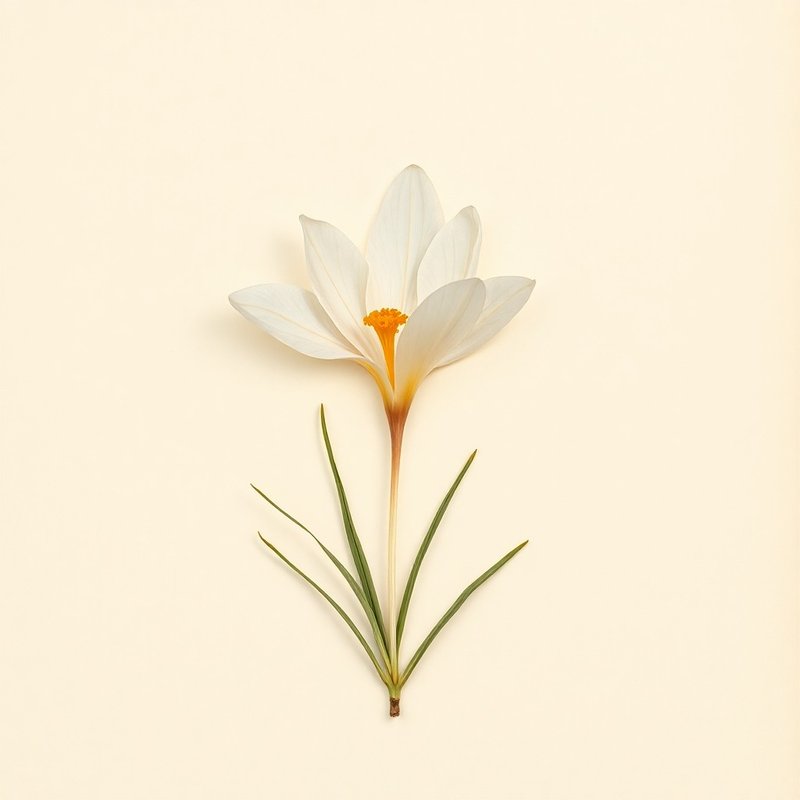
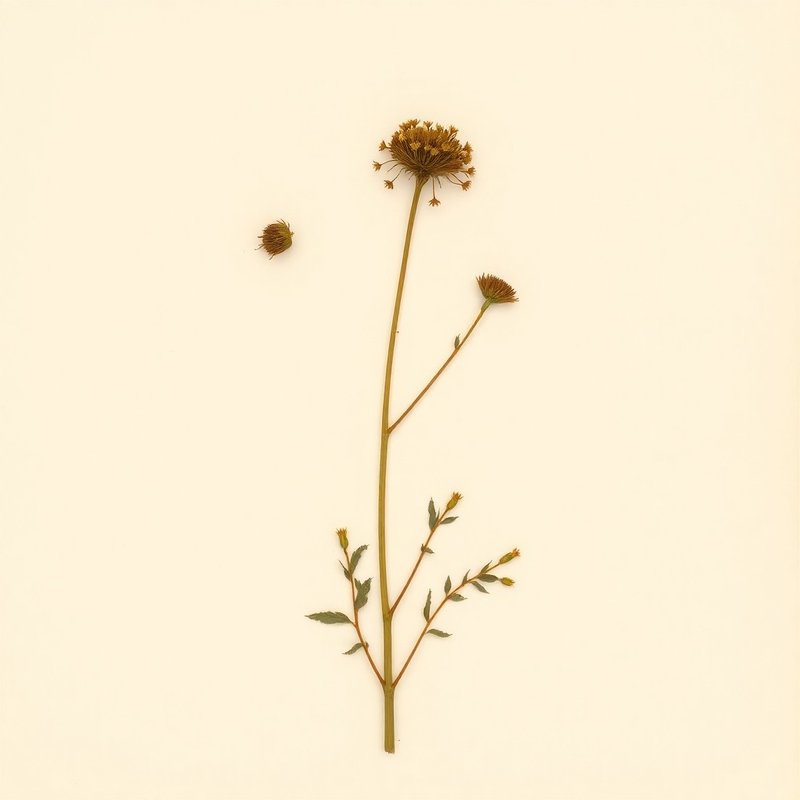
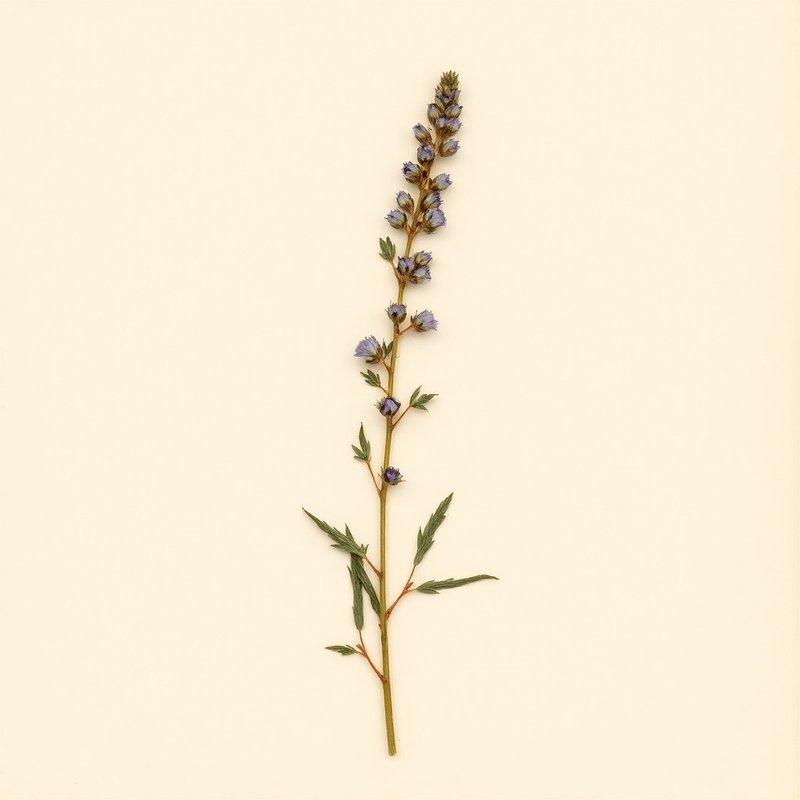
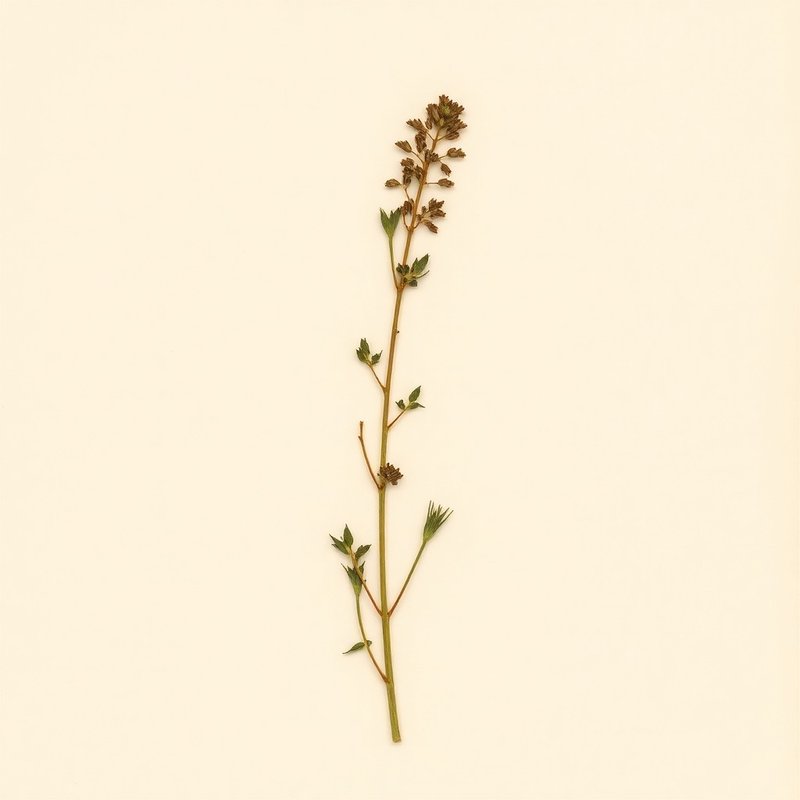
8 relatedPlants you might compare or use together — scored by shared family (Papaveraceae), common use cases, and growing requirements.
Explore further
About this entry
- Last updated
- Citation
- How to cite this entry · Submit a correction
Continue reading
Get archive updates
Occasional email when substantial new content lands — plant profiles, seasonal growing notes, folk-remedy additions. Free, no tracking, unsubscribe anytime.