
Cochineal plant
Nopalea cochenillifera
Educational content — not medical, botanical, or professional advice. Plant identification, safety, and edibility depend on local conditions, cultivars, and correct identification. Consult a qualified botanist or forager before consuming or handling wild specimens. How we source & review →
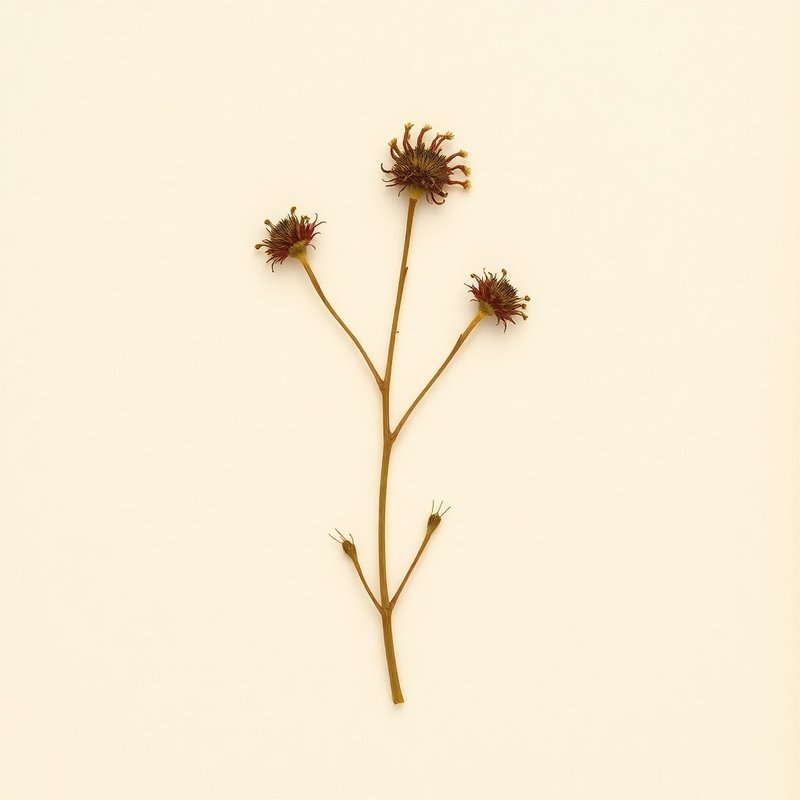
Pl. F6BD — Nopalea cochenillifera
Nopalea cochenilliferaNopalea cochenilliferaNopalea cochenilliferaNopalea cochenilliferaNopalea cochenilliferaNopalea cochenilliferaNopalea cochenilliferaNopalea cochenilliferaNopalea cochenilliferaNopalea cochenilliferaNopalea cochenilliferaNopalea cochenilliferaNopalea cochenilliferaNopalea cochenillifera
IOverview
Overview
The Cochineal plant, scientifically known as Nopalea cochenillifera, is a shrub or small tree native to central and southern Mexico. Thriving in full sun and adaptable to various soil types—ranging from light sandy to heavy clay—the plant can grow up to 5 meters tall. Known for its edible parts, including the fruit, leaves, and stem, it has been cultivated for both culinary and traditional uses. This plant is particularly valued for its ability to withstand dry conditions, making it a resilient choice for arid environments. Its distinctive feature lies in its potential as an ornamental and its historical significance due to the cochineal dye extracted from related species.
Quick answers
What is Cochineal plant?
The Cochineal plant, scientifically known as Nopalea cochenillifera, is a shrub or small tree native to central and southern Mexico. Thriving in full sun and adaptable to various soil types—ranging from light sandy to heavy clay—the plant can grow up to 5 meters tall.
Growingconditions · propagation · uses
VCultivation
Cultivation
The cochineal plant thrives in full sun and is adaptable to various soil types, including light (sandy), medium, and heavy (clay). It prefers dry to moist conditions and grows well in hardiness zones 9-11. This tree or shrub can reach a height of 5 meters and produces edible fruit, leaves, and stems. Propagate through cuttings or seeds.
Light
Full sun
Water
Dry, Moist
Soil
Light (sandy), Medium, Heavy (clay)
Hardiness
9-11
Habit
Tree, Shrub
Mature size
5.0 m tall
For first-time growers
How to grow Cochineal plant for the first time
7steps
Start with a simple, sunny spot and basic care for your Cochineal plant.
- 1
What you'll need
A young Cochineal plant or cuttings, well-draining soil, and a pot or garden bed.
- 2
Best time to plant
Plant in spring when the weather is warm and stable.
- 3
Soil and container prep
Use sandy, medium, or clay soil with good drainage. Ensure containers have holes for water to escape.
- 4
Sowing or transplanting
Transplant young plants into the garden or a large pot filled with prepared soil.
- 5
First two weeks
Water sparingly, allowing the soil to dry out between watering. Place in partial shade until established.
- 6
Ongoing care
Provide full sun and water only when the soil is very dry. Prune occasionally for shape.
- 7
Harvest or pruning
Prune stems as needed to maintain size and shape, but avoid cutting into the main trunk.
VIEdible & utility
Edible & utility
Edible parts:FruitLeavesStem
Edible uses: The Cochineal plant's fruit, leaves, and stems are edible. The fruits can be eaten raw or used in jams and jellies. Leaves and stems are often cooked before consumption, sometimes added to soups or stews. Skip the detailed preparation methods as specific uses were not provided in the data.
Other uses:Animal feed
Contextrange · companions · related
VIIDistribution
5 native · 25 introduced
Distribution
5 native · 25 introducedDistribution across4 continents· 5 native· 25 introduced
Asia2 regions
introduced (2)ChinaMyanmar
Americas11 regions
introduced (11)BoliviaColombiaCosta RicaDominican RepublicEl SalvadorGuatemalaHaitiHondurasJamaicaPuerto RicoUnited States
Africa1 region
introduced (1)Guinea
Oceania1 region
introduced (1)Fiji
Broader regions
native:Mexico Southwest, Mexico Northeast, Mexico Gulf, Mexico Central, Mexico Southeast
introduced:Brazil Southeast, Brazil West-Central, Caroline Is., Cayman Is., East Himalaya, Florida, Hainan, Leeward Is., Marianas, Marquesas
IXSpecimen gallery
1 image
Specimen gallery
1 imageXI
Explore further
Companion planting
Growing zone
XII
About this entry
- Last updated
- Citation
- How to cite this entry · Submit a correction
Back to the cataloguePlant id · f6bd09ee-bb18-44fe-9f52-e2c6a5467c9c
Decision aid
Choosing between Cochineal plant and something else?
Continue reading
❦❦❦❦
Endpaper · archive updates
Get archive updates
Occasional email when substantial new content lands — plant profiles, seasonal growing notes, folk-remedy additions. Free, no tracking, unsubscribe anytime.