
Slender false garlic
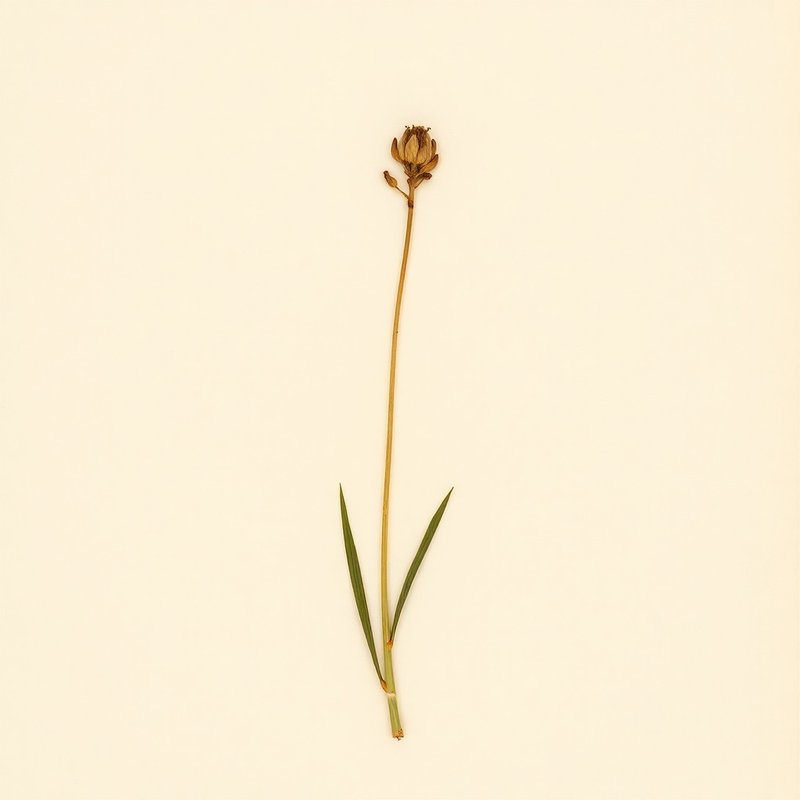
IOverview
Overview
Slender false garlic (Nothoscordum gracile) is a member of the Amaryllidaceae family and is found in diverse regions across Central and South America, including Argentina, Bolivia, Brazil, Chile, Colombia, Costa Rica, Ecuador, Guatemala, Honduras, and Mexico. This plant thrives in light, full sun conditions with a preference for dry to moist soil types that are either light (sandy) or medium in texture. It is hardy in USDA zones 6-9 and reaches a height of about 0.5 meters. Native to parts of Argentina, Bolivia, Brazil, Chile, Colombia, Costa Rica, Ecuador, Guatemala, Honduras, Mexico, and Panama, slender false garlic is known for its edible roots, making it a valuable food source. Its distinctive feature lies in its ability to adapt to various environments, allowing it to thrive in different soil types and climatic conditions. While primarily used as a condiment due to the mild flavor of its roots, this plant can be cultivated outside its native range with appropriate care. It thrives in full sun and prefers well-draining soils that are either light (sandy) or medium. Although it is drought-tolerant, regular watering will ensure optimal growth. Propagation can occur through root division or by growing new plants from seed. Cautious use should be exercised when handling this plant, as while its medicinal properties have not been extensively studied, it is advisable to avoid consuming large quantities without proper guidance.
What is Slender false garlic?
Slender false garlic (Nothoscordum gracile) is a member of the Amaryllidaceae family and is found in diverse regions across Central and South America, including Argentina, Bolivia, Brazil, Chile, Colombia, Costa Rica, Ecuador, Guatemala, Honduras, and Mexico.
VCultivation
Cultivation
How to grow Slender false garlic for the first time
Start with planting Slender false garlic in a sunny spot, and follow these simple steps for success.
- 1
What you'll need
Seeds or small bulbs, a trowel, and a watering can.
- 2
Best time to plant
Plant in spring after the last frost, or in fall before the first freeze.
- 3
Soil and container prep
Choose a well-draining spot with light to medium soil. Ensure containers have drainage holes.
- 4
Sowing or transplanting
Plant bulbs 2-3 inches deep, spacing them about 4-6 inches apart. For seeds, sow them shallowly and keep moist.
- 5
First two weeks
Water sparingly to avoid rotting the roots. Keep soil slightly dry.
- 6
Ongoing care
Provide full sun exposure. Water only when the soil feels very dry. Fertilize lightly in spring if needed.
- 7
Harvest or pruning
Wait until late summer to early fall for harvesting roots, or allow plants to flower and then cut back spent blooms.
- 8
Common mistakes
Overwatering, planting too deep, neglecting sun exposure, not providing well-draining soil.
VIEdible & utility
Edible & utility
VIIDistribution
16 native · 49 introduced
Distribution
16 native · 49 introducedIXSpecimen gallery
1 image
Specimen gallery
1 imageExplore further
About this entry
- Last updated
- Citation
- How to cite this entry · Submit a correction
Continue reading
Get archive updates
Occasional email when substantial new content lands — plant profiles, seasonal growing notes, folk-remedy additions. Free, no tracking, unsubscribe anytime.