
Nuphar pumila
IOverview
Overview
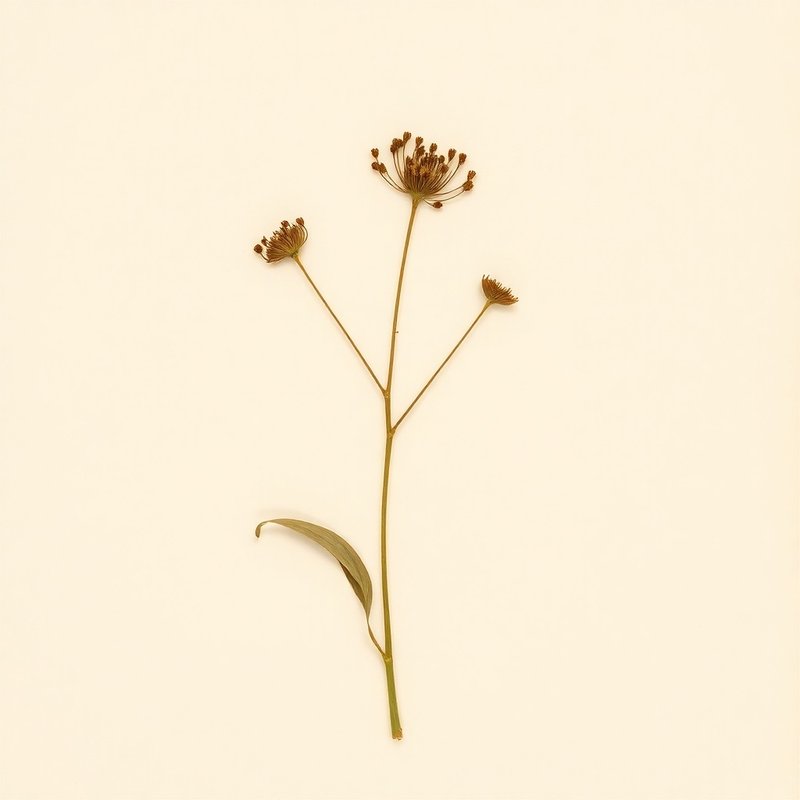
Nuphar pumila, commonly known as water lily, is a perennial herb native to a wide range of regions including Albania, Altay, Austria, Belarus, and various parts of Europe and Asia such as China North-Central, Korea, and Mongolia. This plant thrives in light to medium soil with a pH between 5.5 and 6.5, making it adaptable to diverse growing conditions. Known for its edible leaves, roots, and seeds, Nuphar pumila is also valued for its ornamental qualities, often found floating on the surface of ponds and lakes. Its large, round leaves, which can grow up to 30 cm in diameter, provide a striking contrast against the water's surface. The plant's distinctive features include its light to medium soil preference, moderate growth rate, and its ability to grow in waterlogged environments, making it a popular choice for gardeners and landscape designers. While not medicinal, Nuphar pumila offers practical benefits through its edible parts and aesthetic value, contributing to both culinary and horticultural applications. The plant's introduction into Belgium further highlights its versatility and adaptability.
What is Nuphar pumila?
Nuphar pumila, commonly known as water lily, is a perennial herb native to a wide range of regions including Albania, Altay, Austria, Belarus, and various parts of Europe and Asia such as China North-Central, Korea, and Mongolia. This plant thrives in light to medium soil with a pH between 5.
VCultivation
Cultivation
How to grow Nuphar pumila for the first time
Start with basic care for Nuphar pumila, focusing on soil preparation and water management.
- 1
What you'll need
A container or garden pond, suitable soil, and a Nuphar pumila plant.
- 2
Best time to plant
Plant in spring when the weather starts warming up.
- 3
Soil and container prep
Use well-draining soil with a pH between 5.5 and 6.5, ensuring good water circulation.
- 4
Sowing or transplanting
Transplant from another source or purchase young plants for easier establishment.
- 5
First two weeks
Keep the plant in partial shade and monitor water levels to avoid overwatering or drying out.
- 6
Ongoing care
Provide a sunny location, keep soil moist but not soggy, and fertilize sparingly with organic options.
- 7
Harvest or pruning
Prune dead leaves and stems to maintain plant health and appearance.
- 8
Common mistakes
Overwatering, using incorrect soil pH, neglecting shade requirements, and not providing adequate drainage.
VIEdible & utility
Edible & utility
VIIDistribution
45 native · 1 introduced
Distribution
45 native · 1 introducedIXSpecimen gallery
1 image
Specimen gallery
1 imageExplore further
About this entry
- Last updated
- Citation
- How to cite this entry · Submit a correction
Continue reading
Get archive updates
Occasional email when substantial new content lands — plant profiles, seasonal growing notes, folk-remedy additions. Free, no tracking, unsubscribe anytime.