
Fragrant Water Lily
Nymphaea odorata
Educational content — not medical, botanical, or professional advice. Plant identification, safety, and edibility depend on local conditions, cultivars, and correct identification. Consult a qualified botanist or forager before consuming or handling wild specimens. How we source & review →
Garden journal pausedUse profile notes below
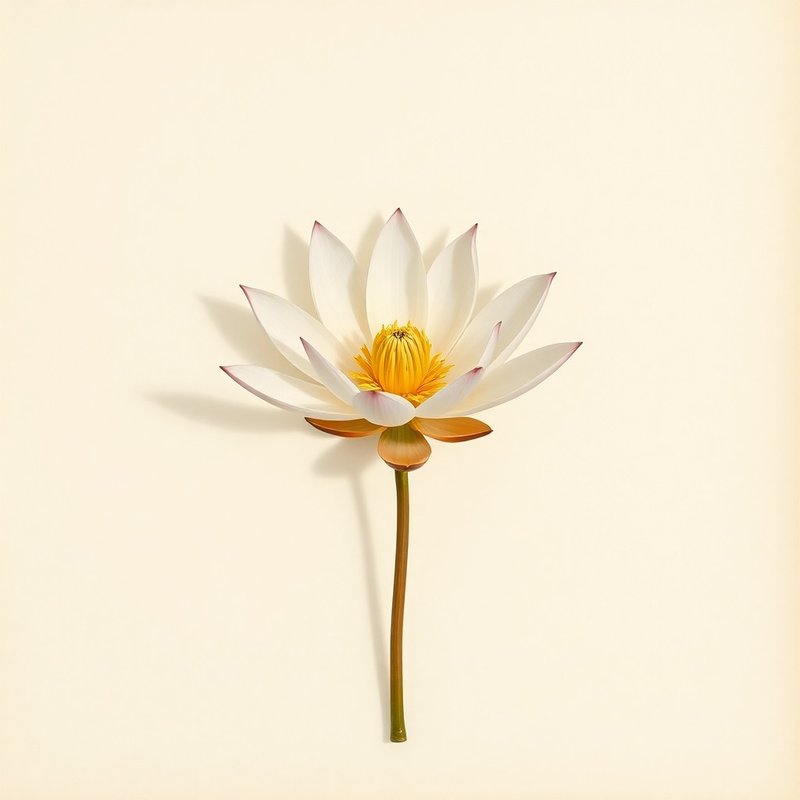
Pl. B939 — Nymphaea odorata
Nymphaea odorataNymphaea odorataNymphaea odorataNymphaea odorataNymphaea odorataNymphaea odorataNymphaea odorataNymphaea odorataNymphaea odorataNymphaea odorataNymphaea odorataNymphaea odorataNymphaea odorataNymphaea odorata
IOverview
Overview
The fragrant water lily, Nymphaea odorata, is a perennial herb that thrives in full sun and water environments, with a native range extending from Alabama to Virginia and into parts of Canada. This plant is adaptable to various climates, being hardy in zones 4-8. It prefers soils that are light, medium, or heavy, particularly clay, and grows well in full sun. Known for its light, airy nature, the fragrant water lily is not only ornamental but also edible, with all parts—flowers, leaves, roots, and seeds—being consumable. The flowers can be eaten raw or used to make tea, while the young leaves and shoots are often cooked like spinach. Roots can also be boiled and eaten as a vegetable, and seeds can be roasted for a nutty snack. Its distinctive feature lies in the delightful fragrance of its blooms, which add a sensory delight to any water garden or pond setting. While it is a valuable ornamental and edible plant, it should be noted that it has the potential to become a weed in introduced regions.
Quick answers
What is Fragrant Water Lily?
The fragrant water lily, Nymphaea odorata, is a perennial herb that thrives in full sun and water environments, with a native range extending from Alabama to Virginia and into parts of Canada. This plant is adaptable to various climates, being hardy in zones 4-8.
Growingconditions · propagation · uses
VCultivation
Cultivation
Fragrant Water Lily thrives in full sun, requiring at least six hours of direct sunlight daily. It prefers light, medium, or heavy soil types, though it is adaptable. The plant is hardy in zones 4-8, making it suitable for temperate regions. Water is essential for its growth, so it should be planted in a pond or other water feature. Regular watering is not necessary as it naturally grows in water. For propagation, division of the rhizomes or seeds can be used. Enjoy its edible flowers, leaves, and roots, which are all part of its growing profile.
Light
Full sun
Water
Water
Soil
Light (sandy), Medium, Heavy (clay)
Hardiness
4-8
Life cycle
Perennial
Habit
Forb/herb
For first-time growers
How to grow Fragrant Water Lily for the first time
8steps
Start with a simple setup to grow Fragrant Water Lily as a beginner.
- 1
What you'll need
A large container, water lily rhizomes or seeds, and aquatic planting medium.
- 2
Best time to plant
Plant in spring when the water temperature is above 60°F (15°C).
- 3
Soil and container prep
Use a large container with at least 2 feet of water depth. Fill it with aquatic planting medium.
- 4
Sowing or transplanting
Place rhizomes on the surface of the soil, burying them slightly. For seeds, sow directly in the container.
- 5
First two weeks
Keep the water level stable and avoid direct sunlight for the first few days to prevent shock.
- 6
Ongoing care
Provide full sun exposure (6-8 hours daily) and maintain a consistent water depth. Monitor for pests.
- 7
Harvest or pruning
Prune dead leaves and flowers regularly to encourage new growth and maintain the plant's health.
- 8
Common mistakes
Overcrowding, using too much fertilizer, planting in direct sunlight, not providing enough water depth.
VIEdible & utility
Edible & utility
Edible parts:FlowersLeavesRootSeed
Edible uses: The fragrant water lily, Nymphaea odorata, is edible and can be enjoyed in various forms. Its flowers, leaves, roots, and seeds are all usable. The flowers can be eaten raw or used to make tea, while the young leaves and shoots are often cooked like spinach. Roots can also be boiled and eaten as a vegetable. Seeds can be roasted for a nutty snack.
Other uses:Fragrance
Contextrange · companions · related
VIIDistribution
54 native · 18 introduced
Distribution
54 native · 18 introducedDistribution across3 continents· 54 native· 18 introduced
Europe1 region
introduced (1)Germany
Asia1 region
native (1)Georgia
Americas8 regions
native (5)BahamasCubaEl SalvadorHondurasNicaragua
introduced (3)GuyanaPuerto RicoSuriname
Broader regions
native:Alabama, Arkansas, Connecticut, Delaware, District of Columbia, Florida, Illinois, Indiana, Iowa, Kansas, Kentucky, Louisiana, Maine, Manitoba, Maryland, Masachusettes, Massachusetts, Mexico Central, Mexico Gulf, Mexico Northeast, Mexico Southwest, Michigan, Minnesota, Mississippi, Missouri, Nebraska, New Brunswick, New Hampshire, New Jersey, New York, Newfoundland, North Carolina, Nova Scotia, Ohio, Oklahoma, Ontario, Pennsylvania, Prince Edward I., Québec, Rhode I., Saskatchewan, South Carolina, Tennessee, Texas, Vermont, Virginia, West Virginia, Wisconsin
introduced:Arizona, Brazil North, Brazil South, Brazil Southeast, British Columbia, California, Colorado, Idaho, Montana, Nevada, New Mexico, Oregon, Utah, Washington
IXSpecimen gallery
1 image
Specimen gallery
1 imageXI
Explore further
Companion planting
Growing zone
XII
About this entry
- Last updated
- Citation
- How to cite this entry · Submit a correction
Back to the cataloguePlant id · b9394ea2-ac13-473f-bcd8-ee7564d99335
Decision aid
Choosing between Fragrant Water Lily and something else?
Continue reading
❦❦❦❦
Endpaper · archive updates
Get archive updates
Occasional email when substantial new content lands — plant profiles, seasonal growing notes, folk-remedy additions. Free, no tracking, unsubscribe anytime.
Newsletter returning soon.
We are rebuilding the update list around a lightweight editorial workflow. New dispatches will resume after the next content review cycle.