
Snake's Beard
Ophiopogon japonicus
Educational content — not medical, botanical, or professional advice. Plant identification, safety, and edibility depend on local conditions, cultivars, and correct identification. Consult a qualified botanist or forager before consuming or handling wild specimens. How we source & review →
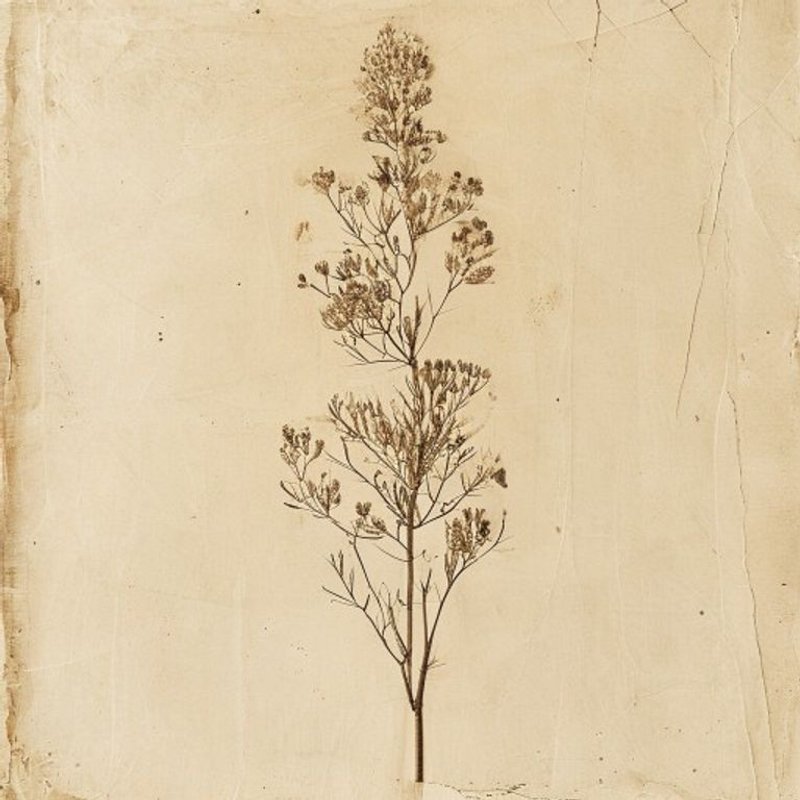
Pl. 33F8 — Ophiopogon japonicus
Ophiopogon japonicusOphiopogon japonicusOphiopogon japonicusOphiopogon japonicusOphiopogon japonicusOphiopogon japonicusOphiopogon japonicusOphiopogon japonicusOphiopogon japonicusOphiopogon japonicusOphiopogon japonicusOphiopogon japonicusOphiopogon japonicusOphiopogon japonicus
IOverview
Overview
Snake's Beard, scientifically known as Ophiopogon japonicus, is a perennial plant native to China North-Central, South-Central, Southeast, Japan, Korea, the Philippines, Taiwan, and Vietnam. This plant thrives in moist or wet conditions and prefers light to partial shade. It can be found growing in sandy or medium soil types and is hardy in zones 7-11. Known for its edible roots, Snake's Beard has been cultivated for culinary purposes. One distinctive feature of this plant is its slender, grass-like leaves that give it a graceful appearance, often resembling a beard, hence the common name.
Quick answers
What is Snake's Beard?
Snake's Beard, scientifically known as Ophiopogon japonicus, is a perennial plant native to China North-Central, South-Central, Southeast, Japan, Korea, the Philippines, Taiwan, and Vietnam. This plant thrives in moist or wet conditions and prefers light to partial shade.
Growingconditions · propagation · uses
VCultivation
Cultivation
Snake's Beard thrives in full to partial sun and prefers moist or wet soil that is light (sandy) or medium. It grows best in hardiness zones 7-11 and can be propagated through root division. The plant reaches a height of about 0.3 meters and is perennial, making it suitable for garden beds where consistent moisture is maintained.
Light
Full sun, Partial sun/shade
Water
Moist, Wet, water
Soil
Light (sandy), Medium
Hardiness
7-11
Life cycle
Perennial
Mature size
0.3 m tall
For first-time growers
How to grow Snake's Beard for the first time
8steps
Start with Snake's Beard for a low-maintenance, beginner-friendly addition to your garden.
- 1
What you'll need
A small Ophiopogon japonicus plant or root pieces, a trowel, and mulch.
- 2
Best time to plant
Plant in spring or fall when the weather is cooler.
- 3
Soil and container prep
Choose a spot with partial sun to full shade. Ensure soil is moist, well-draining, and slightly acidic.
- 4
Sowing or transplanting
Plant root pieces 2-3 inches deep and about 6 inches apart in the garden bed.
- 5
First two weeks
Keep the soil consistently moist. Water regularly to help establish roots.
- 6
Ongoing care
Water when the top inch of soil feels dry, especially during hot weather. Mulch around plants to retain moisture and suppress weeds.
- 7
Harvest or pruning
Prune dead leaves in early spring to maintain a neat appearance.
- 8
Common mistakes
Overwatering, planting in full sun, neglecting winter protection in colder climates.
VIEdible & utility
Edible & utility
Edible parts:Root
Edible uses: The root of Snake's Beard (Ophiopogon japonicus) is edible and can be consumed raw or cooked. It is often prepared in soups or stews to add a mild flavor. The root can also be dried for later use.
Other uses:Erosion controlGround cover
Contextrange · companions · related
VIIDistribution
8 native · 5 introduced
Distribution
8 native · 5 introducedDistribution across1 continent· 8 native· 5 introduced
Asia6 regions
native (6)ChinaJapanPhilippinesSouth KoreaTaiwanVietnam
Broader regions
introduced:Argentina Northeast, Jawa, Marianas, Nansei-shoto, Alabama
IXSpecimen gallery
1 image
Specimen gallery
1 imageXI
Explore further
Companion planting
Growing zone
XII
About this entry
- Last updated
- Citation
- How to cite this entry · Submit a correction
Back to the cataloguePlant id · 33f86a7a-969c-4603-be99-21a4202166c0
Decision aid
Choosing between Snake's Beard and something else?
Continue reading
❦❦❦❦
Endpaper · archive updates
Get archive updates
Occasional email when substantial new content lands — plant profiles, seasonal growing notes, folk-remedy additions. Free, no tracking, unsubscribe anytime.