
Twist-Spine Prickly Pear
Opuntia macrorhiza
Educational content — not medical, botanical, or professional advice. Plant identification, safety, and edibility depend on local conditions, cultivars, and correct identification. Consult a qualified botanist or forager before consuming or handling wild specimens. How we source & review →
Garden journal pausedUse profile notes below
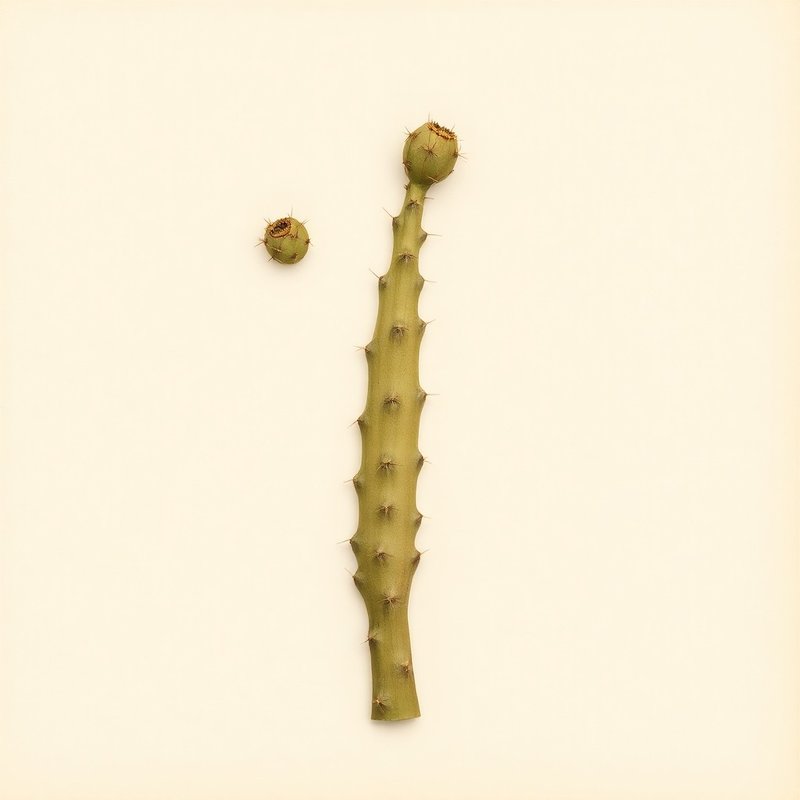
Pl. F1BF — Opuntia macrorhiza
Opuntia macrorhizaOpuntia macrorhizaOpuntia macrorhizaOpuntia macrorhizaOpuntia macrorhizaOpuntia macrorhizaOpuntia macrorhizaOpuntia macrorhizaOpuntia macrorhizaOpuntia macrorhizaOpuntia macrorhizaOpuntia macrorhizaOpuntia macrorhizaOpuntia macrorhiza
IOverview
Overview
The Twist-Spine Prickly Pear (Opuntia macrorhiza) is a perennial shrub native to the southwestern United States and northern Mexico, thriving in full sun and dry conditions. This plant is well-suited for arid environments such as those found in Arizona, Arkansas, Colorado, Illinois, Kansas, Missouri, New Mexico, Oklahoma, Texas, Utah, and Wisconsin. Known for its edible fruit, leaves, and seeds, the Twist-Spine Prickly Pear can be harvested for culinary use. Its distinctive feature includes light green, flat pads with prominent spines, setting it apart from other cacti species. This plant grows well in light to medium soil types and is hardy in zones 8-11, making it suitable for xeriscaping and other drought-tolerant landscaping projects. For propagation, gardeners may use seeds or cuttings. While not medicinal, the Twist-Spine Prickly Pear offers a unique and versatile addition to your garden, providing both ornamental and edible benefits.
Quick answers
What is Twist-Spine Prickly Pear?
The Twist-Spine Prickly Pear (Opuntia macrorhiza) is a perennial shrub native to the southwestern United States and northern Mexico, thriving in full sun and dry conditions.
Growingconditions · propagation · uses
VCultivation
Cultivation
Twist-Spine Prickly Pear thrives in full sun and prefers dry conditions, making it suitable for xeriscaping. It grows well in light to medium soil types and is hardy in zones 8-11. This perennial shrub can reach a height of about 0.1 meters and is native to regions including Arizona, Arkansas, Colorado, Illinois, Kansas, Missouri, New Mexico, Oklahoma, Texas, Utah, and parts of Mexico. For propagation, gardeners may use seeds or cuttings. The plant's edible parts include the fruit, leaves, and seeds, adding a unique culinary option to your garden.
Light
Full sun
Water
Dry
Soil
Light (sandy), Medium
Hardiness
8-11
Life cycle
Perennial
Habit
Shrub
Mature size
0.1 m tall
For first-time growers
How to grow Twist-Spine Prickly Pear for the first time
8steps
Start with Twist-Spine Prickly Pear for a low-maintenance, beginner-friendly project.
- 1
What you'll need
Twist-Spine Prickly Pear pads, potting soil, container, gloves.
- 2
Best time to plant
Plant in spring or early summer when temperatures are mild.
- 3
Soil and container prep
Use a well-draining mix; containers should have drainage holes.
- 4
Sowing or transplanting
Transplant pads directly into the soil, spacing them 30-45 cm apart.
- 5
First two weeks
Water sparingly to avoid rot. Keep in a sunny spot but protect from extreme heat.
- 6
Ongoing care
Provide full sun and water only when the soil is dry. Prune if needed for shape.
- 7
Harvest or pruning
Prune pads to maintain size or remove dead ones; harvest fruit in late summer.
- 8
Common mistakes
Overwatering, planting too deep, not providing enough sun, neglecting to prune.
VIEdible & utility
Edible & utility
Edible parts:FruitLeavesSeed
Edible uses: Gum
Other uses:Gum
Contextrange · companions · related
VIIDistribution
13 native · 3 introduced
Distribution
13 native · 3 introducedDistribution across1 continent· 13 native· 3 introduced
Europe1 region
introduced (1)Russia
Broader regions
native:Arizona, Arkansas, Colorado, Illinois, Kansas, Mexico Northeast, Mexico Northwest, Missouri, New Mexico, Oklahoma, Texas, Utah, Wisconsin
introduced:Argentina Northeast, Argentina South
IXSpecimen gallery
1 image
Specimen gallery
1 imageXI
Explore further
Companion planting
Growing zone
XII
About this entry
- Last updated
- Citation
- How to cite this entry · Submit a correction
Back to the cataloguePlant id · f1bfbb31-569d-4302-a423-afc5813d1f19
Decision aid
Choosing between Twist-Spine Prickly Pear and something else?
Continue reading
❦❦❦❦
Endpaper · archive updates
Get archive updates
Occasional email when substantial new content lands — plant profiles, seasonal growing notes, folk-remedy additions. Free, no tracking, unsubscribe anytime.
Newsletter returning soon.
We are rebuilding the update list around a lightweight editorial workflow. New dispatches will resume after the next content review cycle.