
Bug Orchis
Orchis coriophora
Educational content — not medical, botanical, or professional advice. Plant identification, safety, and edibility depend on local conditions, cultivars, and correct identification. Consult a qualified botanist or forager before consuming or handling wild specimens. How we source & review →
Garden journal pausedUse profile notes below
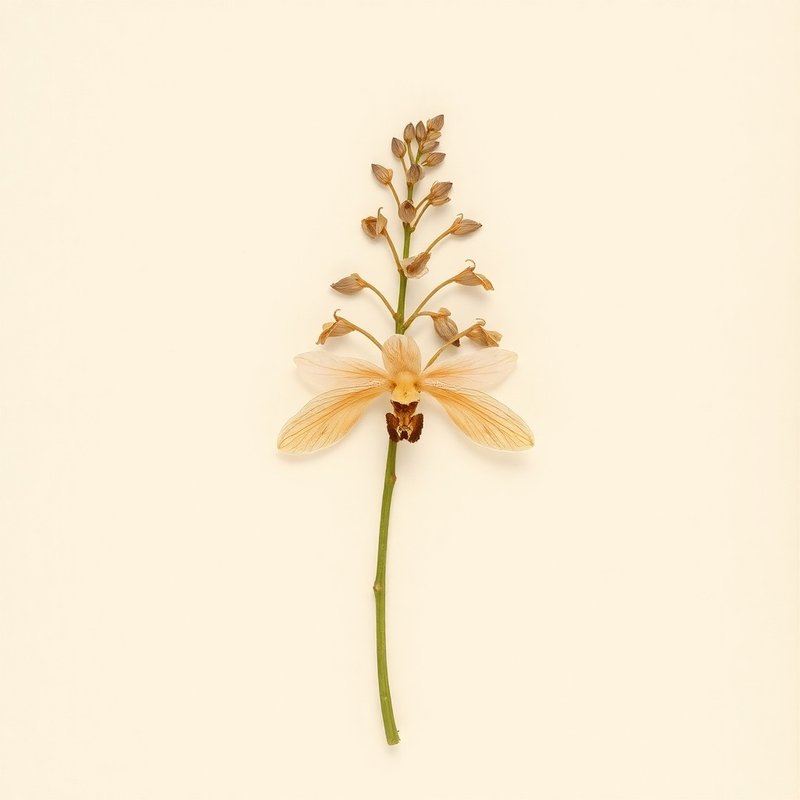
Pl. 3D85 — Orchis coriophora
Orchis coriophoraOrchis coriophoraOrchis coriophoraOrchis coriophoraOrchis coriophoraOrchis coriophoraOrchis coriophoraOrchis coriophoraOrchis coriophoraOrchis coriophoraOrchis coriophoraOrchis coriophoraOrchis coriophoraOrchis coriophora
IOverview
Overview
Bug Orchis (Orchis coriophora) is an orchid species native to a wide range of regions including Albania, Algeria, Austria, Belarus, Belgium, Bulgaria, and many other countries across Europe and into parts of Asia. This plant thrives in moist conditions with light to full sun exposure, growing up to 0.3 meters tall. Bug Orchis prefers well-drained soils that are either light (sandy), medium, or heavy (clay) and is hardy in zones 4-8. The distinctive features of Bug Orchis include its specific habitat preferences and the edible nature of its roots. Within its native range, humans have utilized this plant for culinary purposes. Its purple flowers add a touch of beauty to any garden setting, making it an ornamental choice as well. While not medicinal, its use in drinks or as a garnish can enhance both the visual appeal and taste of beverages. Cultivation of Bug Orchis is relatively straightforward; it thrives in full sun and prefers moist soil conditions. Propagation can be achieved through root division, making it an accessible plant for gardeners interested in adding this unique species to their collections.
Quick answers
What is Bug Orchis?
Bug Orchis (Orchis coriophora) is an orchid species native to a wide range of regions including Albania, Algeria, Austria, Belarus, Belgium, Bulgaria, and many other countries across Europe and into parts of Asia. This plant thrives in moist conditions with light to full sun exposure, growing up to 0.
Growingconditions · propagation · uses
VCultivation
Cultivation
Bug Orchis thrives in full sun and prefers moist soil that is light (sandy), medium, or heavy (clay). It grows to a height of about 0.3 meters and is hardy in zones 4-8. Propagate via root division for best results. This plant is native to many European and Mediterranean regions as well as parts of Asia and North Africa.
Light
Full sun
Water
Moist
Soil
Light (sandy), Medium, Heavy (clay)
Hardiness
4-8
Mature size
0.3 m tall
Seasonal calendar
Northern hemisphere · UTC month is November
winterspringsummerautumnwinter
BloomJFMAMJJASOND
For first-time growers
How to grow Bug Orchis for the first time
8steps
Start with planting Bug Orchis in a light, well-draining soil and full sun exposure for the best beginner experience.
- 1
What you'll need
A small Bug Orchis plant or seeds, suitable potting mix, and a container with drainage holes.
- 2
Best time to plant
Plant in early spring when the soil is moist but not waterlogged.
- 3
Soil and container prep
Use a well-draining potting mix that can handle light (sandy), medium, or heavy soils. Ensure your container has adequate drainage holes.
- 4
Sowing or transplanting
Transplant the Bug Orchis into the prepared container, ensuring the roots are not damaged during the process.
- 5
First two weeks
Keep the soil consistently moist but avoid overwatering. Place in a sunny spot to encourage root growth.
- 6
Ongoing care
Provide full sun and keep the soil moist, especially during dry periods. Fertilize sparingly with a balanced liquid fertilizer every few months.
- 7
Harvest or pruning
Focus on maintaining the plant's health rather than harvesting; prune dead leaves to keep the plant looking tidy.
- 8
Common mistakes
Overwatering, planting in heavy clay soil, and not providing enough sunlight are common pitfalls for beginners.
VIEdible & utility
Edible & utility
Edible parts:Root
Edible uses: Drink
Other uses:Fragrance
Contextrange · companions · related
VIIDistribution
42 native · 1 introduced
Distribution
42 native · 1 introducedDistribution across3 continents· 42 native· 1 introduced
Europe19 regions
native (18)AlbaniaAustriaBelarusBelgiumBulgariaCyprusFranceGermanyGreeceHungaryItalyPolandPortugalRomaniaRussiaSpainSwitzerlandUkraine
introduced (1)Netherlands
Asia4 regions
native (4)IranIraqPalestineTurkey
Africa4 regions
native (4)AlgeriaLibyaMoroccoTunisia
Broader regions
native:Baltic States, Czechoslovakia, East Aegean Is., Kriti, Lebanon-Syria, Transcaucasus, Turkey-in-Europe, Yugoslavia
IXSpecimen gallery
1 image
Specimen gallery
1 imageXI
Explore further
XII
About this entry
- Last updated
- Citation
- How to cite this entry · Submit a correction
Back to the cataloguePlant id · 3d855b82-429d-421b-90d7-14855ec1b9c4
Decision aid
Choosing between Bug Orchis and something else?
Continue reading
❦❦❦❦
Endpaper · archive updates
Get archive updates
Occasional email when substantial new content lands — plant profiles, seasonal growing notes, folk-remedy additions. Free, no tracking, unsubscribe anytime.
Newsletter returning soon.
We are rebuilding the update list around a lightweight editorial workflow. New dispatches will resume after the next content review cycle.