
Oreomyrrhis hookeri
IOverview
Overview
Oreomyrrhis hookeri, a perennial plant native to the southern regions of Argentina, Bolivia, Chile, and the Falkland Islands, is a small, low-growing species that reaches a height of only 0.1 meters. Thriving in full sun, it prefers light (sandy) and medium-textured soils, which should be kept moist to ensure optimal growth. This plant is valued for its ornamental appeal and its edible roots, which can be consumed raw or cooked by boiling to extract their flavors and nutrients. The root is the primary edible part of the plant, making it a useful addition to gardens or landscapes where space is limited. Oreomyrrhis hookeri's adaptability to various soil types and its requirement for consistent moisture make it a versatile choice for gardeners in temperate regions. While primarily ornamental and edible, it is important to handle this plant with care, especially if considering its use in traditional medicine, as no specific medicinal benefits are documented.
What is Oreomyrrhis hookeri?
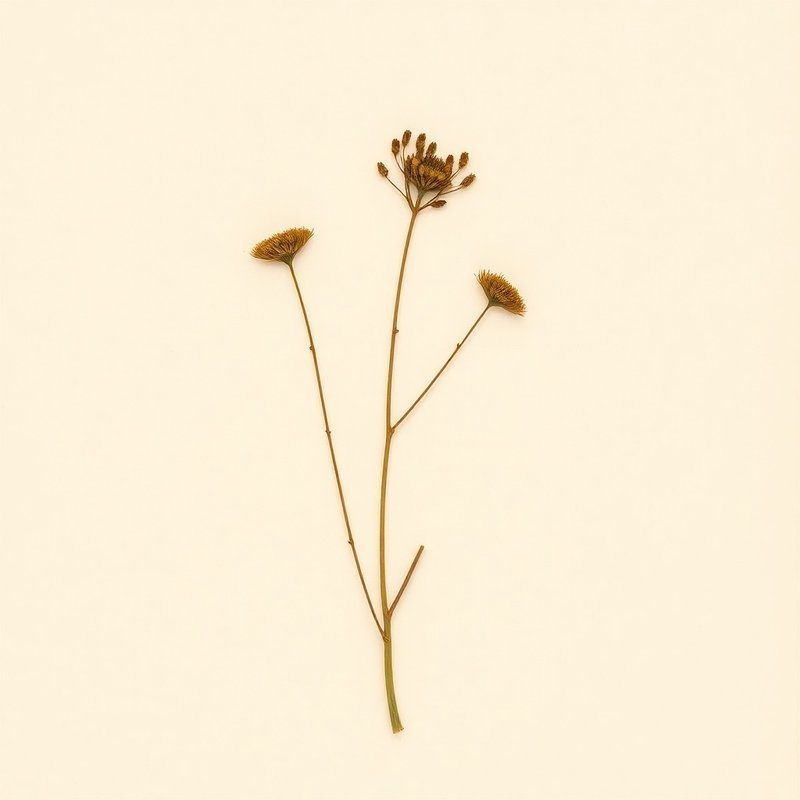
Oreomyrrhis hookeri, a perennial plant native to the southern regions of Argentina, Bolivia, Chile, and the Falkland Islands, is a small, low-growing species that reaches a height of only 0.1 meters.
VCultivation
Cultivation
How to grow Oreomyrrhis hookeri for the first time
Start with Oreomyrrhis hookeri as a simple, low-maintenance perennial for your garden.
- 1
What you'll need
A small plant or seeds, well-draining soil, and a container if planting in pots.
- 2
Best time to plant
Plant Oreomyrrhis hookeri during spring when the weather is mild.
- 3
Soil and container prep
Use light, sandy soil with good drainage. Ensure containers have holes for proper aeration.
- 4
Sowing or transplanting
Transplant young plants or sow seeds directly into the ground or pots at a depth of about 0.5 cm.
- 5
First two weeks
Water regularly to keep the soil moist but not waterlogged. Avoid direct sunlight for the first few days.
- 6
Ongoing care
Provide full sun and maintain consistent moisture, especially during dry spells. Fertilize sparingly with a balanced organic fertilizer.
- 7
Harvest or pruning
Prune lightly to encourage bushier growth. Harvest roots for culinary use after the plant is established.
- 8
Common mistakes
Overwatering, planting in heavy soil, and exposing new plants to direct sunlight are common pitfalls.
VIEdible & utility
Edible & utility
VIIDistribution
4 native · 0 introduced
Distribution
4 native · 0 introducedIXSpecimen gallery
1 image
Specimen gallery
1 imageExplore further
About this entry
- Last updated
- Citation
- How to cite this entry · Submit a correction
Continue reading
Get archive updates
Occasional email when substantial new content lands — plant profiles, seasonal growing notes, folk-remedy additions. Free, no tracking, unsubscribe anytime.