
Star Of Bethlehem
Ornithogalum narbonense
Educational content — not medical, botanical, or professional advice. Plant identification, safety, and edibility depend on local conditions, cultivars, and correct identification. Consult a qualified botanist or forager before consuming or handling wild specimens. How we source & review →
Garden journal pausedUse profile notes below
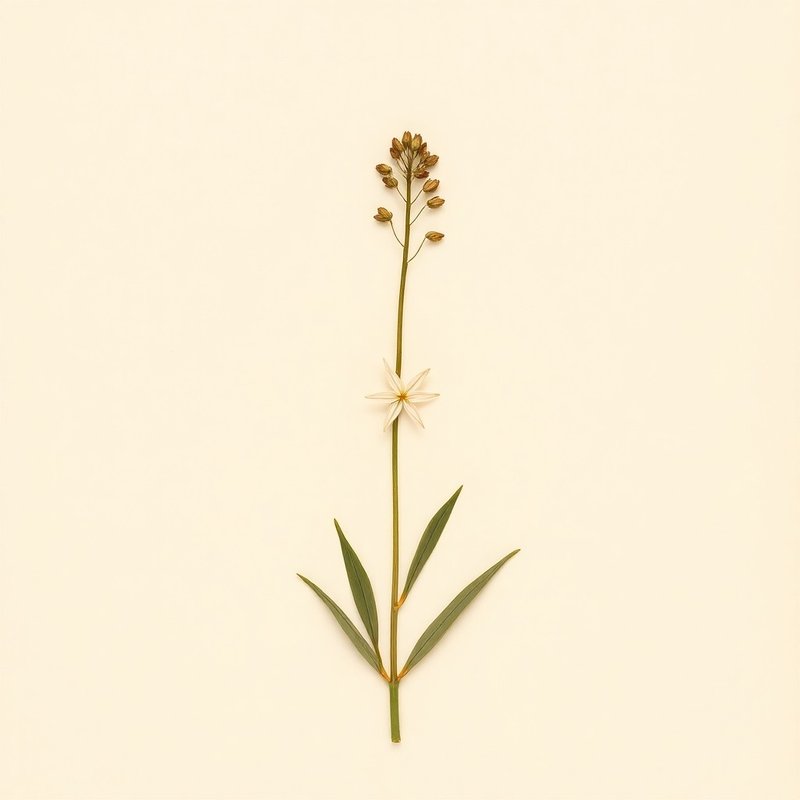
Pl. BECF — Ornithogalum narbonense
Ornithogalum narbonenseOrnithogalum narbonenseOrnithogalum narbonenseOrnithogalum narbonenseOrnithogalum narbonenseOrnithogalum narbonenseOrnithogalum narbonenseOrnithogalum narbonenseOrnithogalum narbonenseOrnithogalum narbonenseOrnithogalum narbonenseOrnithogalum narbonenseOrnithogalum narbonenseOrnithogalum narbonense
IOverview
Overview
Star of Bethlehem, scientifically known as Ornithogalum narbonense, is a bulbous perennial native to regions including Albania, Algeria, and parts of France, extending its range into the Mediterranean and Middle East. This plant is valued for both its ornamental appeal and its edible roots. The white star-shaped flowers that bloom in early summer add a striking visual element, earning it its common name. Star of Bethlehem thrives in moist conditions with light to heavy soil, preferring a pH between 7.5 and 8. It grows best in hardiness zones 6-9, reaching a height of about 0.4 meters. This plant requires full sun to partial shade for optimal growth. The roots are the edible part, typically prepared by boiling before consumption. Star of Bethlehem is native to countries such as Albania, Algeria, and France, among others, making it adaptable in various growing contexts. While primarily used for its ornamental value and as a culinary ingredient, Star of Bethlehem can also be propagated via bulb division in fall or spring. Its distinctive white star-shaped flowers and preference for moist, well-draining soil with a slightly alkaline pH make it an interesting addition to gardens and landscapes. However, caution is advised when handling the plant due to potential skin irritation from sap.
Quick answers
What is Star Of Bethlehem?
Star of Bethlehem, scientifically known as Ornithogalum narbonense, is a bulbous perennial native to regions including Albania, Algeria, and parts of France, extending its range into the Mediterranean and Middle East. This plant is valued for both its ornamental appeal and its edible roots.
Growingconditions · propagation · uses
VCultivation
Cultivation
Star Of Bethlehem thrives in moist conditions and prefers light to medium or heavy soils. It is hardy in temperate regions with a range of 6-9 on the USDA Hardiness Zone scale. This plant requires full sun to partial shade and grows to about 0.4 meters tall. For cultivation, use well-draining soil with a pH between 7.5 and 8. The edible parts are the roots, which can be harvested after the plant has flowered. Propagate via bulb division in fall or spring.
Light
7/10
Water
Moist
Soil
Light (sandy), Medium, Heavy (clay)
Hardiness
6-9
Mature size
0.4 m tall
Soil pH
7.5–8
For first-time growers
How to grow Star Of Bethlehem for the first time
8steps
Start with Star Of Bethlehem for a simple, low-maintenance addition to your garden.
- 1
What you'll need
Star Of Bethlehem bulbs and a small trowel.
- 2
Best time to plant
Plant in autumn or spring when the soil is moist.
- 3
Soil and container prep
Choose a location with light, medium, or heavy soil that drains well. Ensure the pH is between 7.5–8.
- 4
Sowing or transplanting
Plant bulbs about 10 cm deep and 15 cm apart in the garden bed or container.
- 5
First two weeks
Water sparingly to avoid rotting the bulbs, but ensure the soil remains moist.
- 6
Ongoing care
Provide light watering during dry spells. Deadhead spent flowers to encourage more blooms.
- 7
Harvest or pruning
No need for harvesting; simply remove dead foliage and cut back after flowering.
- 8
Common mistakes
Overwatering, planting too deep, neglecting to deadhead spent flowers.
VIEdible & utility
Edible & utility
Edible parts:Root
Edible uses: The root of Star Of Bethlehem (Ornithogalum narbonense) is edible and can be eaten raw or cooked. Typically, it is prepared by boiling to soften the texture before consumption. This plant grows in moist, light to heavy soil with a pH between 7.5 and 8, thriving in hardiness zones 6-9.
Contextrange · companions · related
VIIDistribution
26 native · 1 introduced
Distribution
26 native · 1 introducedDistribution across3 continents· 26 native· 1 introduced
Europe8 regions
native (7)AlbaniaCyprusFranceGreeceItalyPortugalSpain
introduced (1)Spain
Asia4 regions
native (4)IranIraqPalestineTurkey
Africa5 regions
native (5)AlgeriaEgyptLibyaMoroccoTunisia
Broader regions
native:East Aegean Is., Kriti, Lebanon-Syria, Transcaucasus, Turkey-in-Europe, Yugoslavia
IXSpecimen gallery
1 image
Specimen gallery
1 imageXI
Explore further
Companion planting
Growing zone
XII
About this entry
- Last updated
- Citation
- How to cite this entry · Submit a correction
Back to the cataloguePlant id · becf3f13-9a4f-4353-a4dc-4e05f8248f67
Decision aid
Choosing between Star Of Bethlehem and something else?
Continue reading
❦❦❦❦
Endpaper · archive updates
Get archive updates
Occasional email when substantial new content lands — plant profiles, seasonal growing notes, folk-remedy additions. Free, no tracking, unsubscribe anytime.
Newsletter returning soon.
We are rebuilding the update list around a lightweight editorial workflow. New dispatches will resume after the next content review cycle.