
California Broomrape
IOverview
Overview
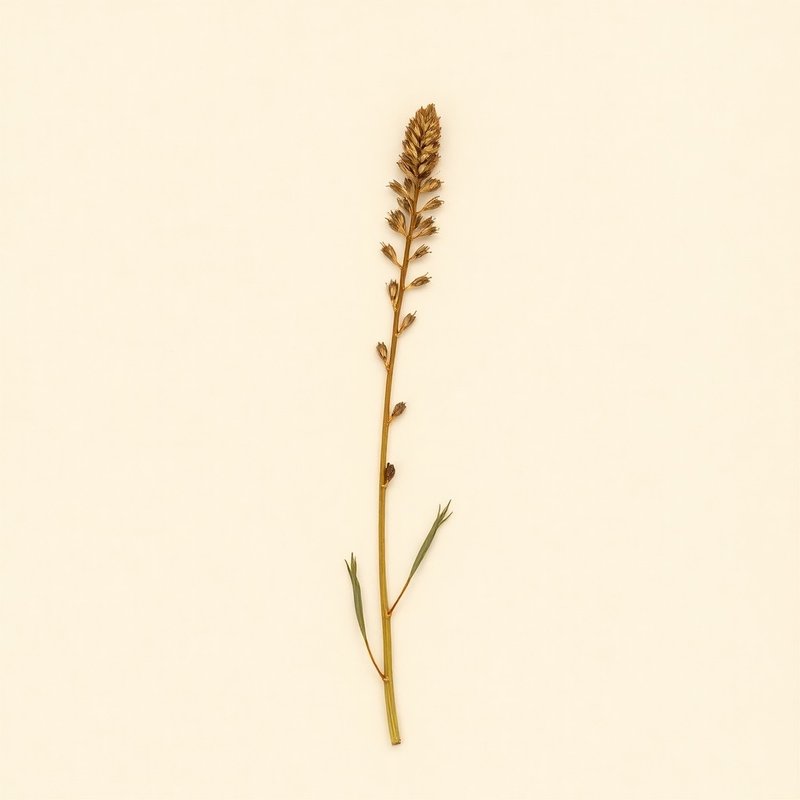
California Broomrape (Orobanche californica) is a low-growing perennial in the broomrape family, Orobanchaceae. It is a parasitic plant, meaning it draws nutrients from the roots of neighboring host plants rather than relying entirely on its own resources, and it typically reaches only about 0.1 meters in height, keeping it close to the ground among the plants it depends on. Its native range follows the Pacific coast of western North America, from British Columbia south through Washington, Oregon, and California, and into northwestern Mexico. Across that range it grows in moist conditions and tolerates a wide spread of soils, from light sandy ground to medium or heavy clay, and it can handle full sun, partial shade, or even full shade. The edible portion is the root, which can be eaten raw or cooked; it is usually boiled first to soften its texture. This species is not recorded as medicinal, so it is best treated as a wild edible and botanical curiosity rather than a plant with a known therapeutic role. Because it depends on a living host, California Broomrape is most often found growing wild alongside the plants it parasitizes rather than established on its own. Anyone interested in it as an edible should confirm identification with care, since wild roots can be confused with other species.
What is California Broomrape?
California Broomrape (Orobanche californica) is a low-growing perennial in the broomrape family, Orobanchaceae. It is a parasitic plant, meaning it draws nutrients from the roots of neighboring host plants rather than relying entirely on its own resources, and it typically reaches only about 0.
VCultivation
Cultivation
How to grow California Broomrape for the first time
Start with California Broomrape as a simple, low-maintenance perennial.
- 1
What you'll need
A small pot or garden bed, seeds or seedlings.
- 2
Best time to plant
Plant in spring after the last frost or fall before the first freeze.
- 3
Soil and container prep
Use well-draining soil with a mix of light (sandy), medium, or heavy clay. Ensure good drainage.
- 4
Sowing or transplanting
Direct sow seeds in the ground or start seedlings indoors before transplanting.
- 5
First two weeks
Water regularly to keep soil moist but not waterlogged. Monitor for pests and diseases.
- 6
Ongoing care
Provide full sun to partial shade, keeping soil consistently moist. Prune dead foliage as needed.
- 7
Harvest or pruning
Prune spent flowers and remove any yellowing leaves to maintain plant health.
- 8
Common mistakes
Overwatering, planting in poorly drained soil, neglecting to prune dead material.
VIEdible & utility
Edible & utility
VIIDistribution
5 native · 0 introduced
Distribution
5 native · 0 introducedIXSpecimen gallery
1 image
Specimen gallery
1 imageExplore further
About this entry
- Last updated
- Citation
- How to cite this entry · Submit a correction
Continue reading
Get archive updates
Occasional email when substantial new content lands — plant profiles, seasonal growing notes, folk-remedy additions. Free, no tracking, unsubscribe anytime.