
Oneflowered broomrape
IOverview
Overview
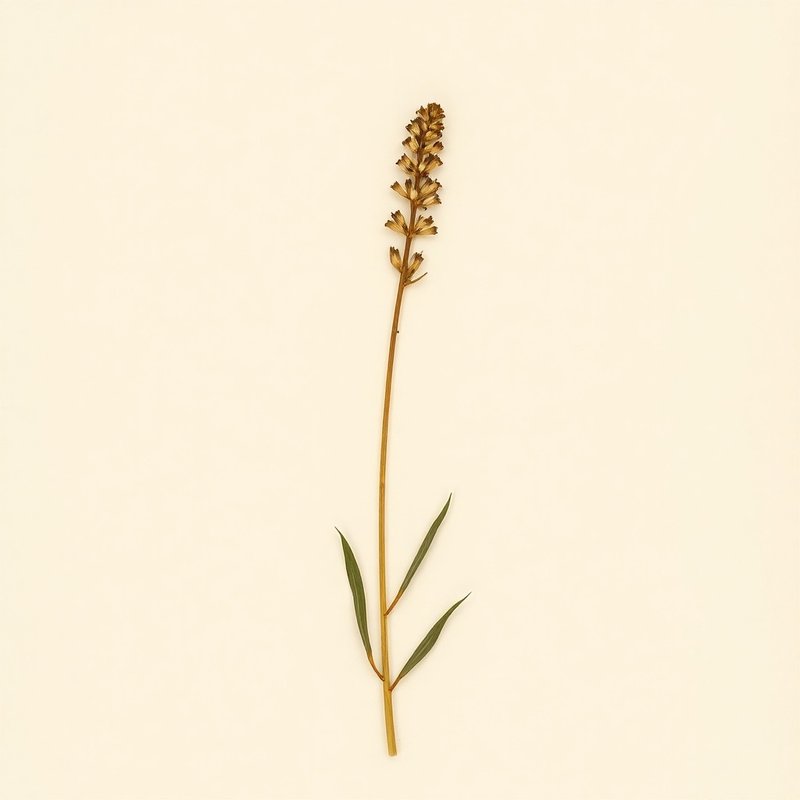
Oneflowered broomrape (Orobanche uniflora) is a parasitic flowering plant native to a wide range of states and provinces across North America, including Alabama, Alberta, Arizona, Arkansas, and many others. This perennial plant typically grows to about 0.3 meters in height and thrives in various soil types, including light (sandy), medium, and heavy (clay) soils, with a preference for moist conditions. It can be found in habitats that receive full sun to partial shade, making it adaptable to different environments. The plant is known for its edible leaves and roots, which can be consumed raw or cooked. One distinctive feature is its name, derived from the fact that it usually bears only a single flower per stem. Oneflowered broomrape is native to parts of the eastern and western United States as well as Canada, making it a valuable addition to the local flora. While the plant is primarily known for its edible parts, it is important to note that it is a parasitic species and should be managed carefully in agricultural settings to avoid harming other plants. For cultivation, ensure the soil remains consistently moist and provide ample sunlight, as it thrives in full to partial sun exposure. This plant is hardy in temperate regions and can be propagated through its roots, making it a resilient and adaptable species in various growing contexts.
What is Oneflowered broomrape?
Oneflowered broomrape (Orobanche uniflora) is a parasitic flowering plant native to a wide range of states and provinces across North America, including Alabama, Alberta, Arizona, Arkansas, and many others. This perennial plant typically grows to about 0.
VCultivation
Cultivation
How to grow Oneflowered broomrape for the first time
Oneflowered broomrape is a challenging plant for beginners due to its parasitic nature, but with care, you can try your hand at growing it.
- 1
What you'll need
A host plant and a pot or garden space.
- 2
Best time to plant
Plant in spring when the host plant is actively growing.
- 3
Soil and container prep
Use well-draining soil with light, medium, or heavy texture. Ensure good drainage if using a pot.
- 4
Sowing or transplanting
Direct sow seeds near the base of a host plant or transplant seedlings gently into the soil around it.
- 5
First two weeks
Keep the soil moist and monitor for signs of growth. Ensure the host plant is healthy.
- 6
Ongoing care
Water when the soil feels dry to the touch, especially during hot weather. Avoid overwatering.
- 7
Harvest or pruning
Prune dead leaves and spent flowers to maintain a neat appearance. Harvest roots if edible parts are desired.
- 8
Common mistakes
Forgetting to provide a host plant, overwatering, neglecting soil drainage.
VIEdible & utility
Edible & utility
VIIDistribution
57 native · 0 introduced
Distribution
57 native · 0 introducedIXSpecimen gallery
1 image
Specimen gallery
1 imageExplore further
About this entry
- Last updated
- Citation
- How to cite this entry · Submit a correction
Continue reading
Get archive updates
Occasional email when substantial new content lands — plant profiles, seasonal growing notes, folk-remedy additions. Free, no tracking, unsubscribe anytime.