
Osmanthus americana
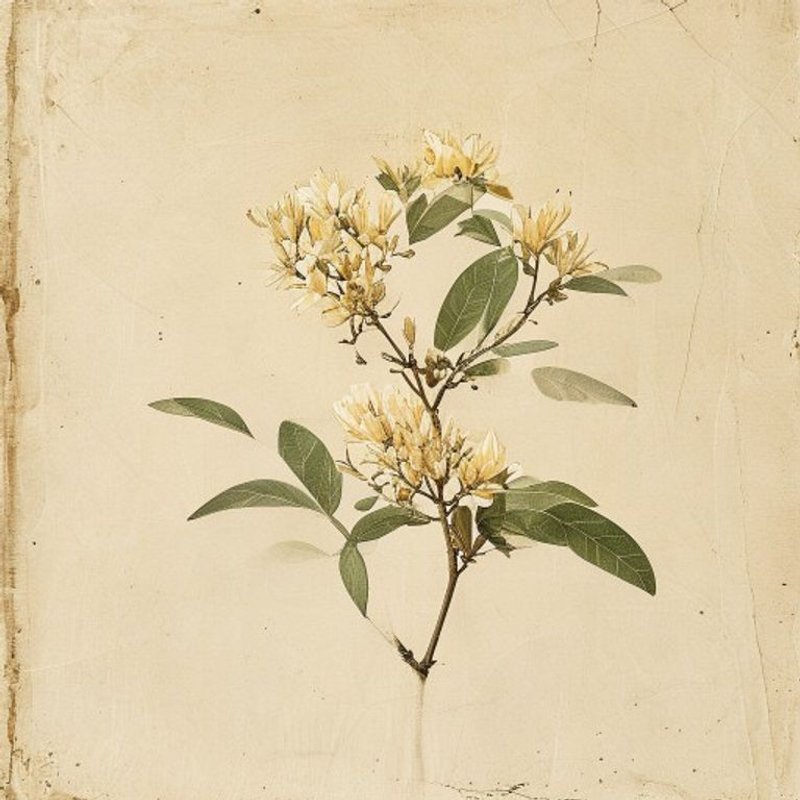
IOverview
Overview
Osmanthus americana, commonly known as American sweetshrub or níspero, is a shrub or small tree native to the southeastern United States and parts of Central America. It thrives in moist, well-drained soils and prefers partial sun to full shade, making it adaptable in various settings within its native range. Known for its fragrant flowers and edible fruit, this plant has ornamental value while also being useful as an edible source. The fruit of the Osmanthus americana is edible and can be eaten raw or used in various preparations, such as jams, jellies, and desserts, due to its sweet flavor. The fruits can also be dried for later use. One distinctive feature is its ability to grow up to 15 meters tall, making it a notable addition to gardens or landscapes. Its light requirement and soil preferences make it adaptable in various settings within its native range. For cultivation, ensure the soil remains consistently moist but avoid waterlogged conditions. Propagation can be done through seeds or cuttings. This plant is hardy in temperate regions and is known for its edible fruit.
What is Osmanthus americana?
Osmanthus americana, commonly known as American sweetshrub or níspero, is a shrub or small tree native to the southeastern United States and parts of Central America. It thrives in moist, well-drained soils and prefers partial sun to full shade, making it adaptable in various settings within its native range.
VCultivation
Cultivation
How to grow Osmanthus americana for the first time
Start with a simple planting of Osmanthus americana for a beginner-friendly experience.
- 1
What you'll need
A young Osmanthus americana plant, garden gloves, and a trowel.
- 2
Best time to plant
Plant in spring or fall when the weather is cooler.
- 3
Soil and container prep
Ensure soil is well-draining with a pH between 6.0 and 7.5; prepare a hole twice as wide but not deeper than the root ball.
- 4
Sowing or transplanting
Transplant young plants from containers directly into the ground, ensuring roots are spread out.
- 5
First two weeks
Water regularly to keep soil moist; avoid overwatering which can lead to root rot.
- 6
Ongoing care
Provide full sun to partial shade and water when the top inch of soil feels dry. Prune lightly in late winter or early spring.
- 7
Harvest or pruning
Prune in late winter to maintain shape; harvest fruits for culinary use if desired.
- 8
Common mistakes
Overwatering, planting in heavy clay soil, and not providing enough sunlight are common issues beginners should avoid.
VIEdible & utility
Edible & utility
VIIDistribution
16 native · 0 introduced
Distribution
16 native · 0 introducedIXSpecimen gallery
1 image
Specimen gallery
1 imageExplore further
About this entry
- Last updated
- Citation
- How to cite this entry · Submit a correction
Continue reading
Get archive updates
Occasional email when substantial new content lands — plant profiles, seasonal growing notes, folk-remedy additions. Free, no tracking, unsubscribe anytime.