
Shrubby woodsorrel
Oxalis frutescens
Educational content — not medical, botanical, or professional advice. Plant identification, safety, and edibility depend on local conditions, cultivars, and correct identification. Consult a qualified botanist or forager before consuming or handling wild specimens. How we source & review →
Garden journal pausedUse profile notes below
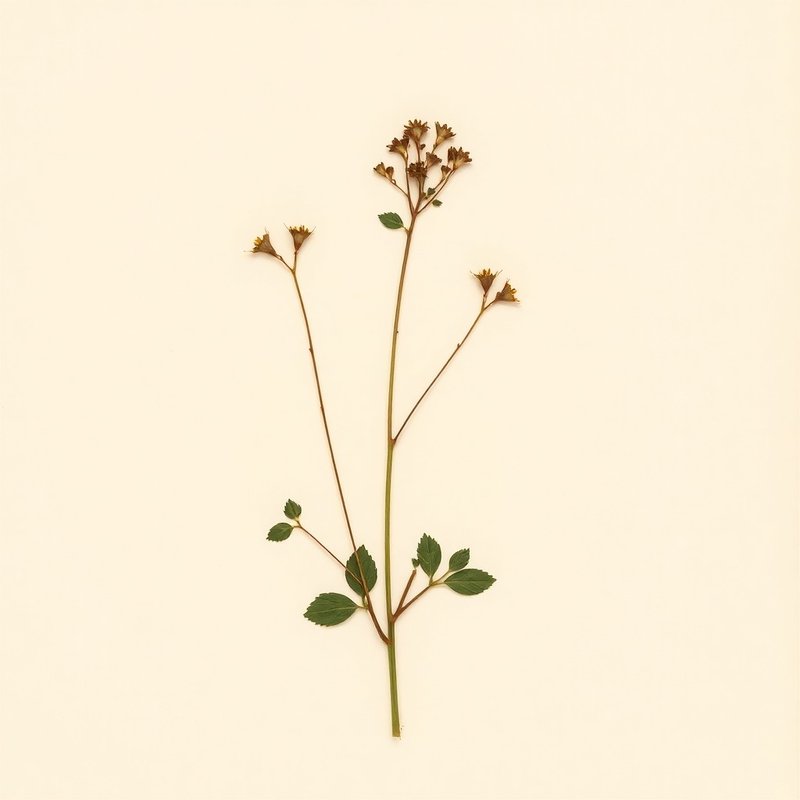
Pl. 37B7 — Oxalis frutescens
Oxalis frutescensOxalis frutescensOxalis frutescensOxalis frutescensOxalis frutescensOxalis frutescensOxalis frutescensOxalis frutescensOxalis frutescensOxalis frutescensOxalis frutescensOxalis frutescensOxalis frutescensOxalis frutescens
IOverview
Overview
Shrubby woodsorrel, scientifically known as Oxalis frutescens, is a perennial subshrub or herb that thrives in the warm climates of Central and South America, from Argentina to Venezuela. Native to regions such as Brazil, Colombia, and parts of Mexico, this plant prefers full sun and can tolerate both dry and moist conditions. Its light-loving nature makes it suitable for gardens where sunlight is abundant. The leaves are edible and commonly used in culinary applications; they add a tangy flavor to salads or can be steamed as a green vegetable. Shrubby woodsorrel has the ability to grow in various soil types, including sandy and medium-textured soils, making it adaptable to different growing environments. This plant is found in diverse regions such as Argentina Northeast, Argentina Northwest, Bolivia, Brazil North, Brazil Northeast, Brazil Southeast, Brazil West-Central, Colombia, Costa Rica, Ecuador, El Salvador, French Guiana, Guatemala, Guyana, Mexico Central, Mexico Gulf, Mexico Northeast, Mexico Northwest, Mexico Southeast, Mexico Southwest, Paraguay, Southwest Caribbean, Suriname, Trinidad-Tobago, Venezuela, Venezuelan Antilles, and Windward Islands. Its versatility in habitat and soil type contributes to its widespread presence across these regions. While primarily used for culinary purposes, shrubby woodsorrel is also an ornamental plant that can add a touch of greenery to gardens and landscapes. Its distinctive leaves and ability to thrive in varied conditions make it a valuable addition to any garden where space and light are ample.
Quick answers
What is Shrubby woodsorrel?
Shrubby woodsorrel, scientifically known as Oxalis frutescens, is a perennial subshrub or herb that thrives in the warm climates of Central and South America, from Argentina to Venezuela.
Growingconditions · propagation · uses
VCultivation
Cultivation
Shrubby woodsorrel thrives in full sun and can grow well in both dry and moist conditions. It prefers light (sandy) or medium soils and is a perennial subshrub or herb that can be propagated through seeds or cuttings. This plant is hardy in temperate regions and is commonly found in various parts of Central and South America, including Argentina, Brazil, Colombia, and Venezuela. Its edible leaves make it a useful addition to gardens where space and light are ample.
Light
Full sun
Water
Dry, Moist
Soil
Light (sandy), Medium
Life cycle
Perennial
Habit
Subshrub, Forb/herb
For first-time growers
How to grow Shrubby woodsorrel for the first time
8steps
Start with a simple setup for Shrubby woodsorrel to enjoy its edible leaves and easy care.
- 1
What you'll need
A small pot, quality potting soil, and seeds or young plants.
- 2
Best time to plant
Plant in spring when the weather starts warming up.
- 3
Soil and container prep
Use a well-draining potting mix and ensure your container has drainage holes.
- 4
Sowing or transplanting
Direct sow seeds outdoors after all danger of frost is past, or start them indoors 4-6 weeks before planting out.
- 5
First two weeks
Keep the soil moist but not waterlogged. Place in a sunny spot to encourage growth.
- 6
Ongoing care
Place in full sun and keep the soil slightly dry, watering only when it feels very dry to the touch.
- 7
Harvest or pruning
Prune back any leggy stems to encourage bushier growth. Harvest leaves as needed for eating.
- 8
Common mistakes
Overwatering, planting in heavy soil, and not providing enough sunlight are common issues.
VIEdible & utility
Edible & utility
Edible parts:Leaves
Edible uses: The leaves of the shrubby woodsorrel are edible and can be eaten raw or cooked. They add a tangy flavor to salads or can be steamed as a green vegetable. Skip
Contextrange · companions · related
VIIDistribution
33 native · 0 introduced
Distribution
33 native · 0 introducedDistribution across1 continent· 33 native
Americas14 regions
native (14)BelizeBoliviaColombiaCosta RicaEcuadorEl SalvadorFrench GuianaGuatemalaGuyanaHondurasNicaraguaParaguaySurinameVenezuela
Broader regions
native:Argentina Northeast, Argentina Northwest, Brazil North, Brazil Northeast, Brazil Southeast, Brazil West-Central, Mexico Central, Mexico Gulf, Mexico Northeast, Mexico Northwest, Mexico Southeast, Mexico Southwest, New Mexico, Panamá, Southwest Caribbean, Texas, Trinidad-Tobago, Venezuelan Antilles, Windward Is.
IXSpecimen gallery
1 image
Specimen gallery
1 imageXI
Explore further
Companion planting
XII
About this entry
- Last updated
- Citation
- How to cite this entry · Submit a correction
Back to the cataloguePlant id · 37b7ad06-d3f1-4fcb-8f9a-e7a8eceb5049
Decision aid
Choosing between Shrubby woodsorrel and something else?
Continue reading
❦❦❦❦
Endpaper · archive updates
Get archive updates
Occasional email when substantial new content lands — plant profiles, seasonal growing notes, folk-remedy additions. Free, no tracking, unsubscribe anytime.
Newsletter returning soon.
We are rebuilding the update list around a lightweight editorial workflow. New dispatches will resume after the next content review cycle.