
Bermuda Buttercup
Oxalis pes-caprae
Educational content — not medical, botanical, or professional advice. Plant identification, safety, and edibility depend on local conditions, cultivars, and correct identification. Consult a qualified botanist or forager before consuming or handling wild specimens. How we source & review →
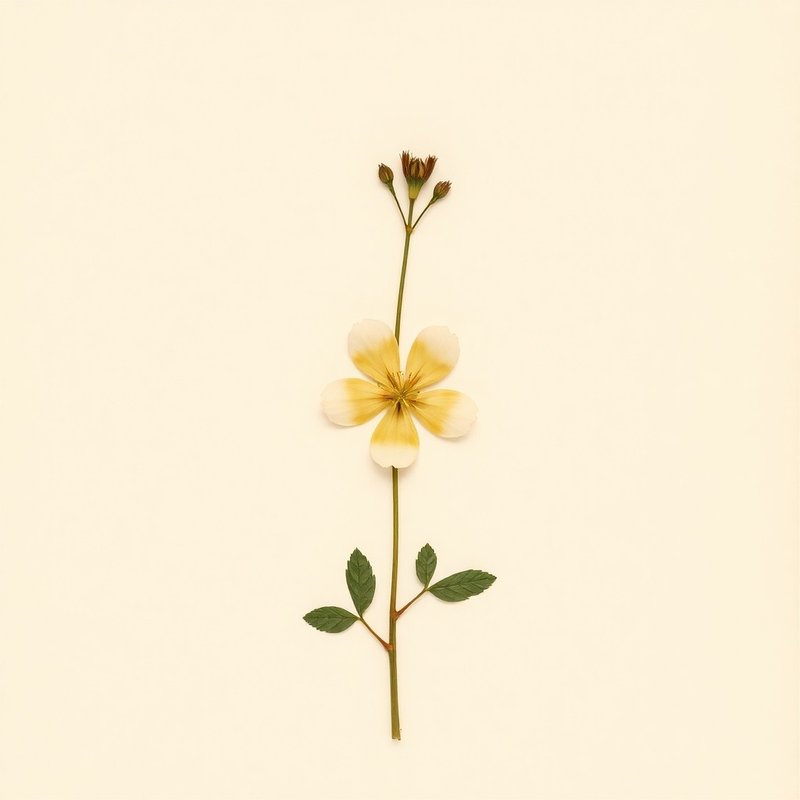
Pl. 0EE9 — Oxalis pes-caprae
Oxalis pes-capraeOxalis pes-capraeOxalis pes-capraeOxalis pes-capraeOxalis pes-capraeOxalis pes-capraeOxalis pes-capraeOxalis pes-capraeOxalis pes-capraeOxalis pes-capraeOxalis pes-capraeOxalis pes-capraeOxalis pes-capraeOxalis pes-caprae
IOverview
Overview
Bermuda Buttercup (Oxalis pes-caprae) is a perennial forb or herb native to the Cape Provinces and Namibia in southern Africa. This invasive species has spread beyond its native range due to its adaptability and prolific growth. Known for its edible parts, including flowers, leaves, and roots, it can be found thriving in dry to moist conditions with light (sandy) to medium soil types. The plant prefers a pH between 7.5 and 8 and grows up to 0.2 meters tall. One distinctive feature of Bermuda Buttercup is its clover-like leaves, which are often three-lobed, resembling the headgear of goats, hence its alternative name "Goat's Foot."
Quick answers
What is Bermuda Buttercup?
Bermuda Buttercup (Oxalis pes-caprae) is a perennial forb or herb native to the Cape Provinces and Namibia in southern Africa. This invasive species has spread beyond its native range due to its adaptability and prolific growth.
Growingconditions · propagation · uses
VCultivation
Cultivation
Bermuda Buttercup thrives in light to moderately moist conditions with well-drained soil that is light (sandy) or medium. It prefers a soil pH of 7.5–8 and is hardy in temperate regions, making it suitable for gardeners in zones 8-11. This perennial plant requires full sun to partial shade and should be watered regularly but not overly so. For propagation, division or seed sowing can be used. Harvest the edible parts—flowers, leaves, and roots—as needed throughout the growing season.
Light
7/10
Water
Dry, Moist
Soil
Light (sandy), Medium
Hardiness
8-11
Life cycle
Perennial
Habit
Forb/herb
Mature size
0.2 m tall
Soil pH
7.5–8
For first-time growers
How to grow Bermuda Buttercup for the first time
8steps
Start with easy-to-grow Bermuda Buttercup for a rewarding beginner gardening experience.
- 1
What you'll need
Bermuda Buttercup seeds or small plants, potting soil, containers, and water.
- 2
Best time to plant
Plant in spring when the weather starts warming up.
- 3
Soil and container prep
Use a well-draining potting mix with good sandy texture. Ensure your containers have drainage holes.
- 4
Sowing or transplanting
Direct sow seeds 1 cm deep in the soil, spacing them about 5-7 cm apart. Alternatively, plant small plants at the same depth and spacing.
- 5
First two weeks
Keep the soil consistently moist but not waterlogged during this period. Place containers in a sunny spot with partial shade.
- 6
Ongoing care
Water when the top inch of soil feels dry, ensuring good drainage to avoid root rot. Fertilize sparingly with a balanced liquid fertilizer every 4-6 weeks.
- 7
Harvest or pruning
Prune back any yellowing leaves and remove spent flowers to encourage new growth. Harvest young leaves and shoots for use in salads.
- 8
Common mistakes
Overwatering, planting too deep, neglecting drainage, and not providing enough light are common pitfalls.
VIEdible & utility
Edible & utility
Edible parts:FlowersLeavesRoot
Edible uses: The Bermuda Buttercup (Oxalis pes-caprae) is edible and can be consumed in various forms. Its leaves, flowers, and roots are all part of the plant that can be eaten. Typically, the young leaves and shoots are used fresh or cooked. The roots can also be consumed after being dried or boiled. Skip the preparation details to maintain simplicity.
Contextrange · companions · related
VIIDistribution
2 native · 28 introduced
Distribution
2 native · 28 introducedDistribution across3 continents· 2 native· 28 introduced
Europe8 regions
introduced (8)AlbaniaCyprusFranceGreeceItalyPortugalSpainUnited Kingdom
Asia1 region
introduced (1)China
Africa5 regions
native (1)Namibia
introduced (4)AlgeriaEgyptEritreaEthiopia
Broader regions
native:Cape Provinces
introduced:Argentina Northwest, Arizona, Bermuda, California, Chile Central, Chile South, East Aegean Is., Florida, Kriti, Lebanon-Syria, Mexico Northwest, Czechoslovakia
IXSpecimen gallery
1 image
Specimen gallery
1 imageXI
Explore further
Companion planting
Growing zone
XII
About this entry
- Last updated
- Citation
- How to cite this entry · Submit a correction
Back to the cataloguePlant id · 0ee934a5-fed8-4b64-87c1-1f1a98473e8e
Decision aid
Choosing between Bermuda Buttercup and something else?
Continue reading
❦❦❦❦
Endpaper · archive updates
Get archive updates
Occasional email when substantial new content lands — plant profiles, seasonal growing notes, folk-remedy additions. Free, no tracking, unsubscribe anytime.