
Yam Bean
Pachyrhizus erosus
Educational content — not medical, botanical, or professional advice. Plant identification, safety, and edibility depend on local conditions, cultivars, and correct identification. Consult a qualified botanist or forager before consuming or handling wild specimens. How we source & review →
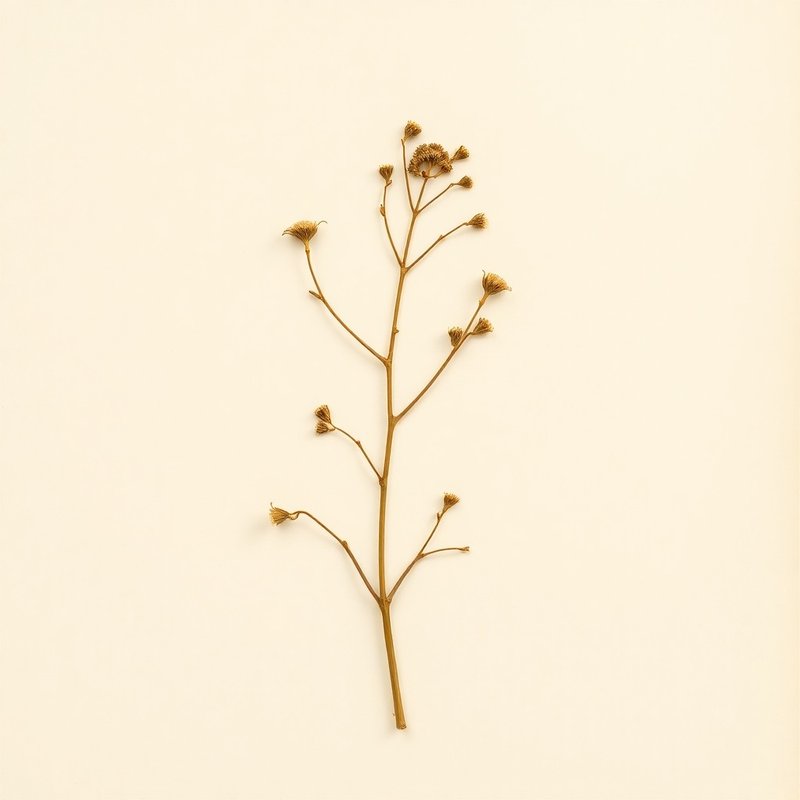
Pl. 493D — Pachyrhizus erosus
Pachyrhizus erosusPachyrhizus erosusPachyrhizus erosusPachyrhizus erosusPachyrhizus erosusPachyrhizus erosusPachyrhizus erosusPachyrhizus erosusPachyrhizus erosusPachyrhizus erosusPachyrhizus erosusPachyrhizus erosusPachyrhizus erosusPachyrhizus erosus
IOverview
Overview
The Yam Bean (Pachyrhizus erosus) is a perennial vine and forb/ herb that thrives in the tropical regions of Central America and Mexico. Native to countries such as Belize, Costa Rica, El Salvador, Guatemala, Honduras, and parts of Mexico, this plant is known for its edible roots and tubers, which are often consumed locally. Growing best in full sun with moist soil, it adapts well to light (sandy), medium, and heavy (clay) soils. Reaching heights of up to 6 meters, the Yam Bean stands out with its distinctive, sprawling growth habit and potential as a valuable food source in its native range.
Quick answers
What is Yam Bean?
The Yam Bean (Pachyrhizus erosus) is a perennial vine and forb/ herb that thrives in the tropical regions of Central America and Mexico.
Growingconditions · propagation · uses
VCultivation
Cultivation
The Yam Bean (Pachyrhizus erosus) thrives in full sun and prefers moist soil that is light (sandy), medium, or heavy (clay). It is hardy in zones 9-12 and can grow up to 6 meters as a perennial vine. For propagation, seeds are commonly used. Ensure the soil remains consistently moist while the plant establishes itself, then allow it to dry slightly between waterings. This legume is native to Central America and is both edible, with its roots and tubers being the main parts consumed.
Light
Full sun
Water
Moist
Soil
Light (sandy), Medium, Heavy (clay)
Hardiness
9-12
Life cycle
Perennial
Habit
Vine, Forb/herb
Mature size
6.0 m tall
- Seed viability
- 3-5 years
For first-time growers
How to grow Yam Bean for the first time
8steps
Start with a simple, sunny spot and basic soil preparation for your first Yam Bean.
- 1
What you'll need
Seeds or seedlings, garden tools like a trowel, and a trellis or support system.
- 2
Best time to plant
Plant in late spring after the last frost when soil temperatures are warm.
- 3
Soil and container prep
Choose a location with well-draining soil that is light (sandy), medium, or heavy. Ensure it gets full sun.
- 4
Sowing or transplanting
Direct sow seeds 2-3 inches deep and 10-15 cm apart. If using seedlings, plant them at the same depth they were in their container.
- 5
First two weeks
Keep soil moist but not waterlogged. Water regularly to maintain consistent moisture levels.
- 6
Ongoing care
Provide a trellis for support as vines grow. Fertilize with compost or well-rotted manure every few months.
- 7
Harvest or pruning
Prune vines to encourage more tuber growth and remove any dead leaves or stems.
- 8
Common mistakes
Overwatering, planting too deep, not providing support for the vines, and neglecting to prune.
VIEdible & utility
Edible & utility
Edible parts:rootstubers
Edible uses: The yam bean's roots and tubers are edible. They can be prepared in various ways—cooked or raw—and are often eaten fresh or processed into flour. The plant thrives in full sun with moist soil, making it suitable for gardens in warm climates.
Other uses:Cover cropPest controlNitrogen fixer
Contextrange · companions · related
VIIDistribution
12 native · 18 introduced
Distribution
12 native · 18 introducedDistribution across4 continents· 12 native· 18 introduced
Asia4 regions
introduced (4)BangladeshCambodiaChinaIndia
Americas7 regions
native (6)BelizeCosta RicaEl SalvadorGuatemalaHondurasNicaragua
introduced (1)Dominican Republic
Africa1 region
introduced (1)Cameroon
Oceania1 region
introduced (1)Fiji
Broader regions
native:Mexico Central, Mexico Northwest, Mexico Northeast, Mexico Gulf, Panamá, Mexico Southwest
introduced:Florida, East Himalaya, Christmas I., Caroline Is., Brazil West-Central, Brazil Southeast, Brazil Northeast, Brazil North, Bismarck Archipelago, Andaman Is.
IXSpecimen gallery
1 image
Specimen gallery
1 imageXI
Explore further
Companion planting
Growing zone
XII
About this entry
- Last updated
- Citation
- How to cite this entry · Submit a correction
Back to the cataloguePlant id · 493defd3-82d3-4289-8106-b7325d533562
Decision aid
Choosing between Yam Bean and something else?
Continue reading
❦❦❦❦
Endpaper · archive updates
Get archive updates
Occasional email when substantial new content lands — plant profiles, seasonal growing notes, folk-remedy additions. Free, no tracking, unsubscribe anytime.