
Marita
IOverview
Overview
Marita, scientifically known as Pandanus conoideus, is a perennial plant native to the tropical regions of Mauritius and several other Pacific islands, including the Bismarck Archipelago, Caroline Islands, Maluku, New Guinea, Solomon Islands, and Vanuatu. This plant thrives in full or partial sun and prefers moist soil that can be light (sandy), medium, or heavy (clay). It grows to a height of 5 meters and is known for its edible fruit, making it valuable both ornamentally and as a food source. Found naturally on Mauritius, Marita adds a touch of tropical beauty to gardens while providing sustenance in its native range. While primarily ornamental and not medicinal, it is important to handle the plant with care, as some parts may be irritants. This plant is hardy in temperate regions with a range of 10-12 and can be propagated through division or stem cuttings. For optimal growth, ensure the soil remains consistently moist.
What is Marita?
Marita, scientifically known as Pandanus conoideus, is a perennial plant native to the tropical regions of Mauritius and several other Pacific islands, including the Bismarck Archipelago, Caroline Islands, Maluku, New Guinea, Solomon Islands, and Vanuatu.
VCultivation
Cultivation
How to grow Marita for the first time
Start with a simple, low-maintenance plant that thrives in full sun and moist soil.
- 1
What you'll need
A Marita (Pandanus conoideus) plant or cutting, well-draining potting mix, a container with drainage holes.
- 2
Best time to plant
Plant in spring when temperatures are consistently above 15°C (60°F).
- 3
Soil and container prep
Use a potting mix that is light and well-draining. Ensure the container has adequate drainage holes.
- 4
Sowing or transplanting
Transplant directly from its nursery pot into your chosen container, ensuring it's not root-bound.
- 5
First two weeks
Keep the soil consistently moist but avoid overwatering. Place in a bright spot with indirect sunlight.
- 6
Ongoing care
Water when the top inch of soil feels dry. Provide full sun to partial shade and regular watering.
- 7
Harvest or pruning
Prune any dead or yellowing leaves to maintain a healthy appearance. Harvest fruit when it ripens, usually in late summer.
VIEdible & utility
Edible & utility
VIIDistribution
7 native · 0 introduced
Distribution
7 native · 0 introducedIXSpecimen gallery
1 image
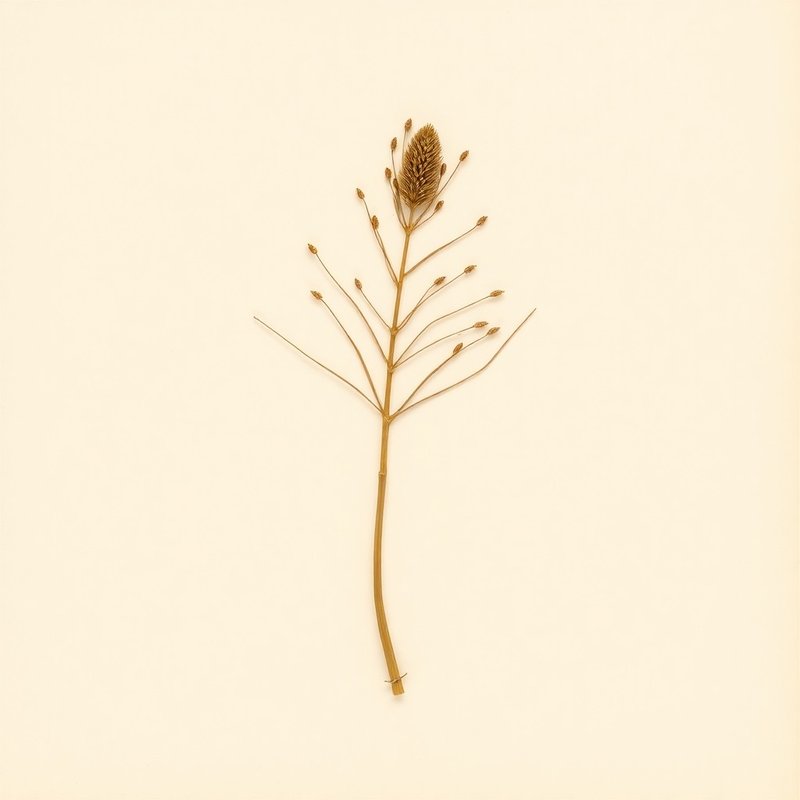
Specimen gallery
1 imageExplore further
About this entry
- Last updated
- Citation
- How to cite this entry · Submit a correction
Continue reading
Get archive updates
Occasional email when substantial new content lands — plant profiles, seasonal growing notes, folk-remedy additions. Free, no tracking, unsubscribe anytime.