
Vine Mesquite
IOverview
Overview
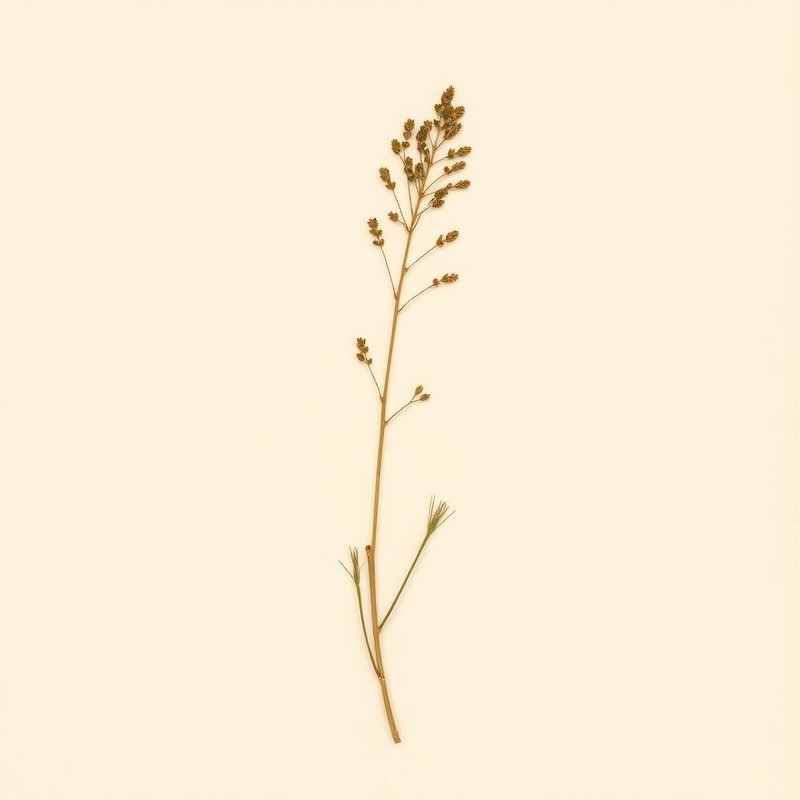
Vine Mesquite (Panicum obtusum) is a perennial grass native to the central and southwestern United States as well as parts of Mexico, including Arizona, Arkansas, Colorado, Illinois, Kansas, Mexico Central, Mexico Northeast, Mexico Northwest, Mexico Southwest, Missouri, New Mexico, Oklahoma, Texas, and Utah. This plant thrives in light, full sun with moist soil that can be sandy, medium, or clay-based. Known for its edible seeds, which are often harvested for food, Vine Mesquite plays a role in both ecological and culinary contexts. The plant grows up to 0.8 meters in height and is valued for its ability to control erosion. Vine Mesquite has been introduced into Czechoslovakia, expanding its presence beyond its native range. Its seeds can be eaten raw or ground into flour, and the plant is also used to make tea. While not traditionally used for medicinal purposes, the edible parts of Vine Mesquite are an important resource in its native regions. This versatile plant contributes to soil stabilization and provides a sustainable food source, making it a valuable addition to landscapes and agricultural practices in its native and introduced areas.
What is Vine Mesquite?
Vine Mesquite (Panicum obtusum) is a perennial grass native to the central and southwestern United States as well as parts of Mexico, including Arizona, Arkansas, Colorado, Illinois, Kansas, Mexico Central, Mexico Northeast, Mexico Northwest, Mexico Southwest, Missouri, New Mexico, Oklahoma, Texas, and Utah.
VCultivation
Cultivation
How to grow Vine Mesquite for the first time
Start with Vine Mesquite as a simple, low-maintenance perennial for your garden.
- 1
What you'll need
A small Vine Mesquite plant or seeds, a trowel, and water.
- 2
Best time to plant
Plant in spring after the last frost when temperatures are warm.
- 3
Soil and container prep
Choose a location with well-draining soil that is light (sandy), medium, or heavy (clay). Ensure it gets full sun.
- 4
Sowing or transplanting
Direct sow seeds 0.5 inches deep or plant young seedlings in the ground at a spacing of about 1 meter apart.
- 5
First two weeks
Water regularly to keep soil moist until plants are established, then reduce watering.
- 6
Ongoing care
Water when the top inch of soil is dry. Prune dead or damaged branches as needed.
- 7
Harvest or pruning
Prune in late winter to maintain shape and remove any dead wood.
- 8
Common mistakes
Overwatering, planting in poor drainage, not providing enough sunlight.
VIEdible & utility
Edible & utility
VIIDistribution
14 native · 1 introduced
Distribution
14 native · 1 introducedIXSpecimen gallery
1 image
Specimen gallery
1 imageExplore further
About this entry
- Last updated
- Citation
- How to cite this entry · Submit a correction
Continue reading
Get archive updates
Occasional email when substantial new content lands — plant profiles, seasonal growing notes, folk-remedy additions. Free, no tracking, unsubscribe anytime.