
Sauwi
Panicum sonorum
Educational content — not medical, botanical, or professional advice. Plant identification, safety, and edibility depend on local conditions, cultivars, and correct identification. Consult a qualified botanist or forager before consuming or handling wild specimens. How we source & review →
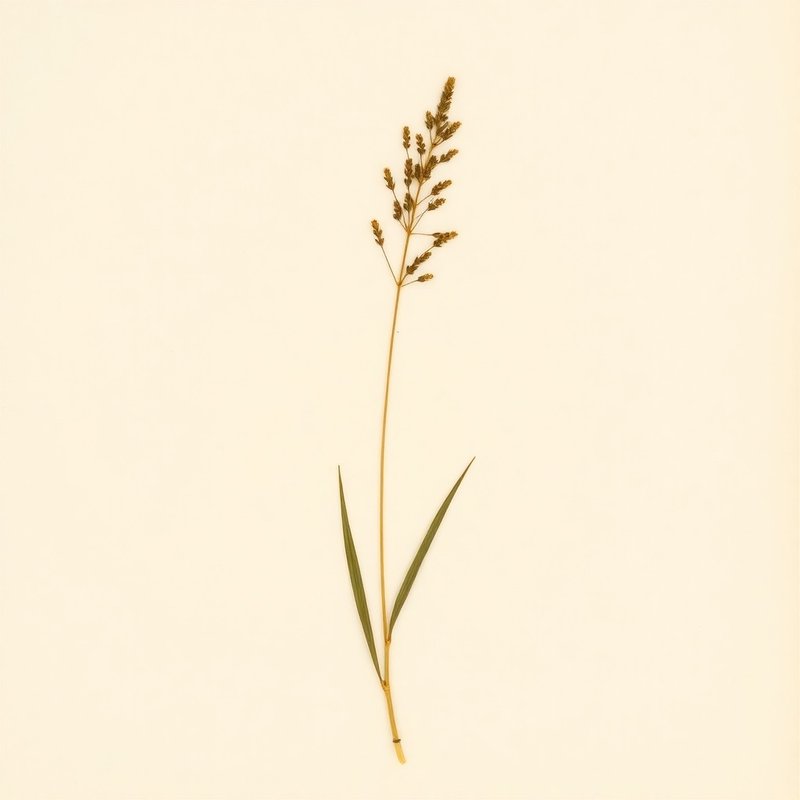
Pl. E829 — Panicum sonorum
Panicum sonorumPanicum sonorumPanicum sonorumPanicum sonorumPanicum sonorumPanicum sonorumPanicum sonorumPanicum sonorumPanicum sonorumPanicum sonorumPanicum sonorumPanicum sonorumPanicum sonorumPanicum sonorum
IOverview
Overview
Sauwi, scientifically known as Panicum sonorum, is an annual graminoid that thrives in a wide range of environments across Central and North America, from the southwestern United States to South America. Native to Arizona, California, Colombia, Costa Rica, Cuba, Dominican Republic, Ecuador, El Salvador, and Panama, this plant can be found in various habitats such as dry or moist areas with light (sandy), medium, or heavy (clay) soils. Sauwi is known for its edible seeds, which make it a valuable resource in regions where it grows. Standing at about 1 meter tall, this plant requires full sun and can adapt to different soil conditions, making it a versatile survivor in diverse ecosystems.
Quick answers
What is Sauwi?
Sauwi, scientifically known as Panicum sonorum, is an annual graminoid that thrives in a wide range of environments across Central and North America, from the southwestern United States to South America.
Growingconditions · propagation · uses
VCultivation
Cultivation
Sauwi thrives in full sun and can adapt to various soil types, from light sandy to heavy clay, though it prefers medium conditions. It requires dry to moist environments and is hardy in temperate regions. For cultivation, sow seeds directly into the garden bed during spring when temperatures are warm. This annual plant grows up to 1 meter tall and should be watered regularly but allowed to dry out between watering sessions. Harvest the edible seeds once they turn brown.
Light
Full sun
Water
Dry, Moist
Soil
Light (sandy), Medium, Heavy (clay)
Life cycle
Annual
Habit
Graminoid
Mature size
1.0 m tall
For first-time growers
How to grow Sauwi for the first time
8steps
Start with Sauwi as an easy-to-grow annual grass, focusing on basic care and harvesting seeds.
- 1
What you'll need
A packet of Sauwi seeds, a garden fork or trowel, and a watering can.
- 2
Best time to plant
Plant Sauwi in late spring after the last frost when soil temperatures are warm.
- 3
Soil and container prep
Choose a sunny spot with well-draining soil. Loosen the top 15 cm of soil using a garden fork.
- 4
Sowing or transplanting
Direct sow seeds 0.5-1 cm deep, spacing them about 30 cm apart in rows 60 cm apart.
- 5
First two weeks
Water the seeds regularly to keep the soil moist until germination. Thin seedlings to 30 cm apart once they have several leaves.
- 6
Ongoing care
Sauwi requires little maintenance. Water only during dry spells and remove any weeds that compete for nutrients.
- 7
Harvest or pruning
Allow the seed heads to dry on the plant before cutting them off in late fall. Prune dead foliage in early spring.
- 8
Common mistakes
Overwatering, planting too deep, neglecting to thin seedlings.
VIEdible & utility
Edible & utility
Edible parts:Seed
Edible uses: The seeds of Sauwi (Panicum sonorum) are edible and can be consumed raw or cooked. They are often harvested and ground into flour for various culinary uses. The seeds can also be roasted to enhance their flavor before consumption.
Contextrange · companions · related
VIIDistribution
26 native · 1 introduced
Distribution
26 native · 1 introducedDistribution across1 continent· 26 native· 1 introduced
Americas12 regions
native (12)ColombiaCosta RicaCubaDominican RepublicEcuadorEl SalvadorGuatemalaHaitiHondurasNicaraguaPeruVenezuela
Broader regions
native:Oklahoma, California, Galápagos, Mexico Gulf, Mexico Northeast, Mexico Northwest, Mexico Southeast, Mexico Southwest, Netherlands Antilles, Nevada, New Mexico, Panamá, Texas, Arizona
introduced:Washington
IXSpecimen gallery
1 image
Specimen gallery
1 imageXI
Explore further
Companion planting
XII
About this entry
- Last updated
- Citation
- How to cite this entry · Submit a correction
Back to the cataloguePlant id · e8297698-d95c-4265-8dec-d41b27295756
Decision aid
Choosing between Sauwi and something else?
Continue reading
❦❦❦❦
Endpaper · archive updates
Get archive updates
Occasional email when substantial new content lands — plant profiles, seasonal growing notes, folk-remedy additions. Free, no tracking, unsubscribe anytime.