
Papaver somniferum
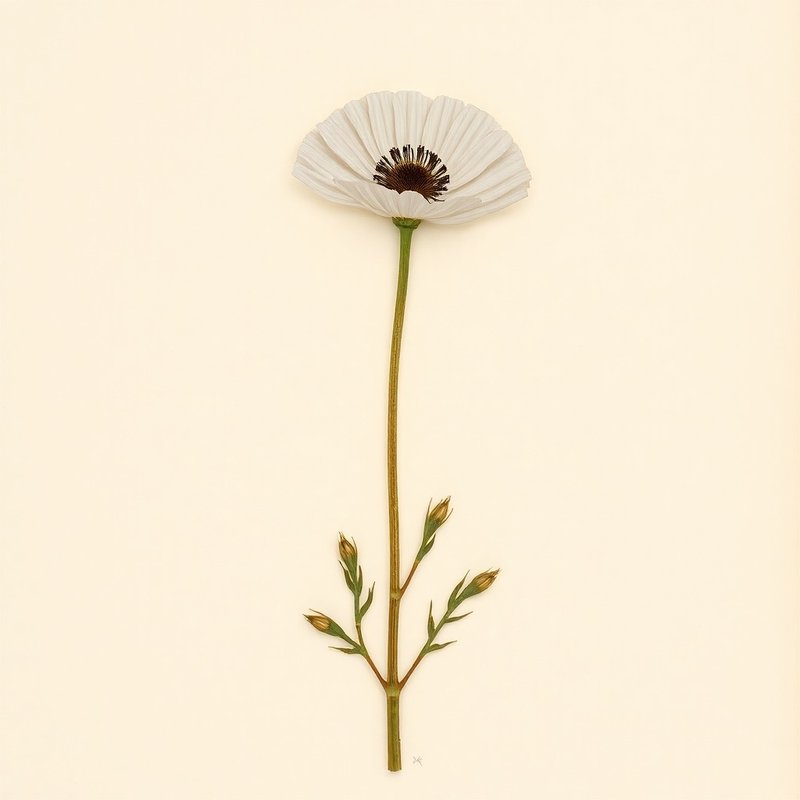
IOverview
Overview
Papaver somniferum, commonly known as opium poppy, is an annual forb or herb native to regions including Algeria, Baleares, Canary Islands, Corse, France, Italy, Libya, Madeira, Morocco, Portugal, Sardegna, Sicilia, Spain, and Tunisia. This plant thrives in moist, light (sandy), medium, and heavy (clay) soils with a pH between 7 and 7.5, making it adaptable to various growing conditions. Known for its edible parts—leaves and seeds—it is also cultivated for ornamental purposes. Opium poppy can grow up to 0.6 meters tall and has a light energy requirement of 8 out of 10. This plant is found in regions with a temperate climate, including parts of Europe, North Africa, and the Middle East. While it is primarily cultivated for its edible and ornamental value, it is important to note that opium poppy is also the source of opium, a potent narcotic. Therefore, it should be handled with caution and only grown in appropriate environments.
What is Papaver somniferum?
Papaver somniferum, commonly known as opium poppy, is an annual forb or herb native to regions including Algeria, Baleares, Canary Islands, Corse, France, Italy, Libya, Madeira, Morocco, Portugal, Sardegna, Sicilia, Spain, and Tunisia.
IV·bMixology suggestions
1 draft
Mixology suggestions
1 draftVCultivation
Cultivation
How to grow Papaver somniferum for the first time
Start with Papaver somniferum as an easy-to-grow annual, focusing on basic care.
- 1
What you'll need
Seeds, a small trowel or scoop, and a container or garden bed.
- 2
Best time to plant
Plant in spring after the last frost, when soil temperatures are consistently above 10°C (50°F).
- 3
Soil and container prep
Ensure the soil is well-draining with a pH of 7–7.5. For containers, use a mix of light sandy, medium, or clay soil.
- 4
Sowing or transplanting
Direct sow seeds in the garden or start them indoors and transplant after they have two sets of true leaves.
- 5
First two weeks
Water regularly to keep the soil moist but not waterlogged. Keep the area weed-free.
- 6
Ongoing care
Continue regular watering, especially during dry spells. Monitor for pests and diseases.
- 7
Harvest or pruning
Prune dead flowers to encourage more blooms and remove any yellowing leaves to keep the plant healthy.
VIEdible & utility
Edible & utility
VIIDistribution
14 native · 130 introduced
Distribution
14 native · 130 introducedIXSpecimen gallery
1 image
Specimen gallery
1 imageExplore further
About this entry
- Last updated
- Citation
- How to cite this entry · Submit a correction
Continue reading
Get archive updates
Occasional email when substantial new content lands — plant profiles, seasonal growing notes, folk-remedy additions. Free, no tracking, unsubscribe anytime.